
Ministry of Creative Economy to Implement CEDM to Strengthen Indonesia's Creative Ecosystem
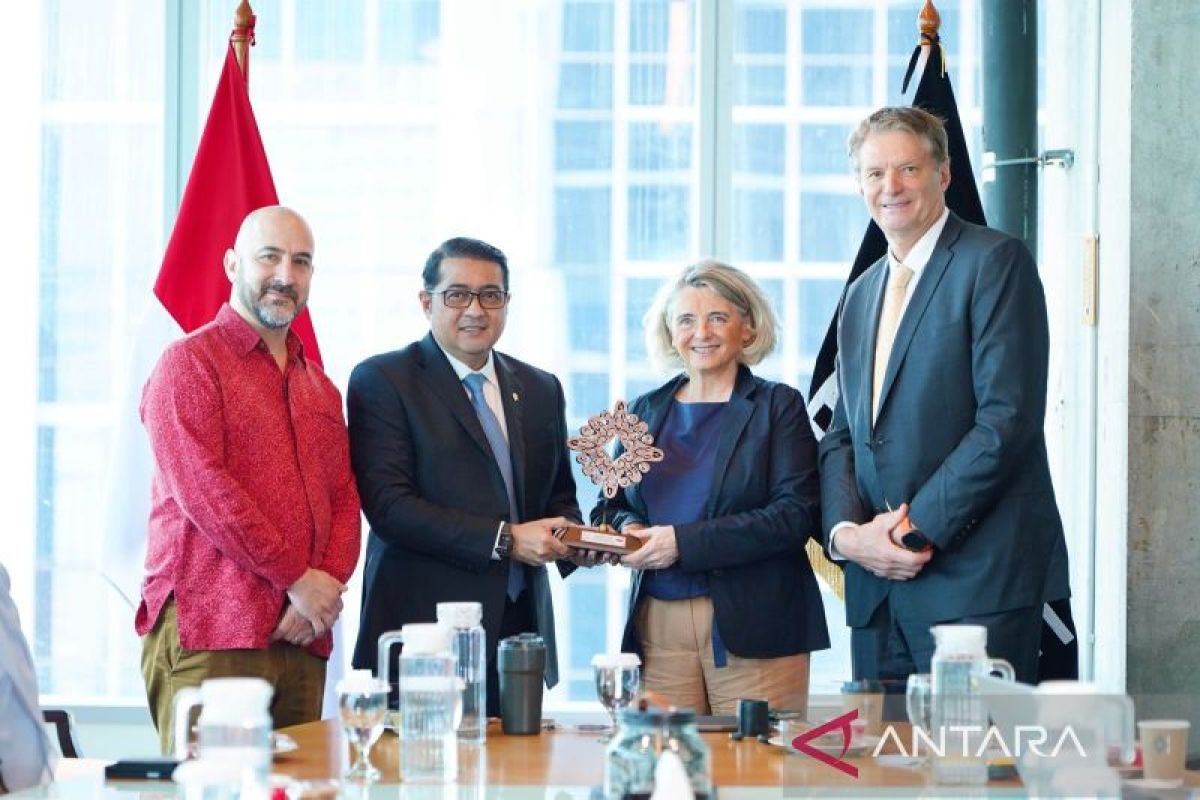
The Ministry of Creative Economy/Badan Ekonomi Kreatif (Ekraf) is committed to implementing the Creative Economy Data Model (CEDM) in collaboration with the World Intellectual Property Organization (WIPO) to strengthen a more comprehensive, measurable, and data-based measurement system for the creative economy. “CEDM will help us map the strengths and gaps within Indonesia’s creative economy ecosystem, identify policy priorities, and support evidence-based decision-making,” said Minister of Creative Economy Teuku Riefky Harsya in a statement received in Jakarta on Friday. He added that, importantly, CEDM offers an internationally comparable framework, enabling Indonesia to measure its progress against global standards without disregarding the national context. CEDM is a framework developed by WIPO to map the interconnections of various elements within the creative economy ecosystem, from enabling factors to the resulting economic and social impacts. The model is built on two main pillars: Creative Environment Input and Resources for Creativity Input. According to the minister, CEDM will become an important instrument for understanding the condition of Indonesia’s creative economy ecosystem while supporting the formulation of more effective policies. Through this approach, CEDM is capable of measuring various economic and social impacts, ranging from the creation and monetisation of intellectual property through royalties and licensing, job creation, contribution to gross domestic product (GDP), trade, to strengthening soft power and a country’s position in the global cultural landscape. For Indonesia, the implementation of CEDM is expected to strengthen the government’s efforts in mapping potential, measuring impact, and formulating more targeted policies to drive national creative economy growth. Beyond the implementation of CEDM, the Minister of Creative Economy also sees opportunities to expand collaboration with WIPO in various strategic areas related to strengthening the creative economy ecosystem. “We also see opportunities to deepen cooperation with WIPO in the fields of intellectual property commercialisation, music royalty governance, and IP-based financing for creative economy actors. These areas are crucial for unlocking greater economic value from intellectual property and strengthening Indonesia’s creative economy ecosystem,” the minister stated. He noted that Indonesia is one of the leading voices globally in creative economy development, reflected in its initiatives to establish policies and international forums such as the World Conference on Creative Economy (WCCE). WIPO Deputy Director General for Copyright and Creative Industries Sylvie Forbin said Indonesia has consistently demonstrated that the creative economy is not merely a cultural sector but a strategic driver of economic development and competitiveness. She added that what is particularly impressive is how far the creative economy has been integrated into Indonesia’s long-term development vision. Forbin stated that the broader strategy clearly recognises that creativity, intellectual property, and innovation will be key components in realising Indonesia Emas 2045. She added that achieving this vision requires robust data as a foundation for targeted policymaking. Therefore, CEDM is designed to address this need by not only examining final outcomes but also analysing the various ecosystem factors that support creative economy growth, including governance, institutional coordination, financing, intellectual property, skills, infrastructure, and market access. “CEDM can complement existing performance indicators by serving as an ecosystem monitoring tool, allowing the ministry to track not only creative economy performance but also the underlying conditions that will determine its long-term sustainability and contribution to Indonesia’s development,” she explained.