
Ministry of Creative Economy Seeks to Enhance Copyright Protection
Jakarta (ANTARA) - The Ministry of Creative Economy/Creative Economy Agency is striving to enhance copyright protection as part of efforts to realise the welfare of creators in the digital era.
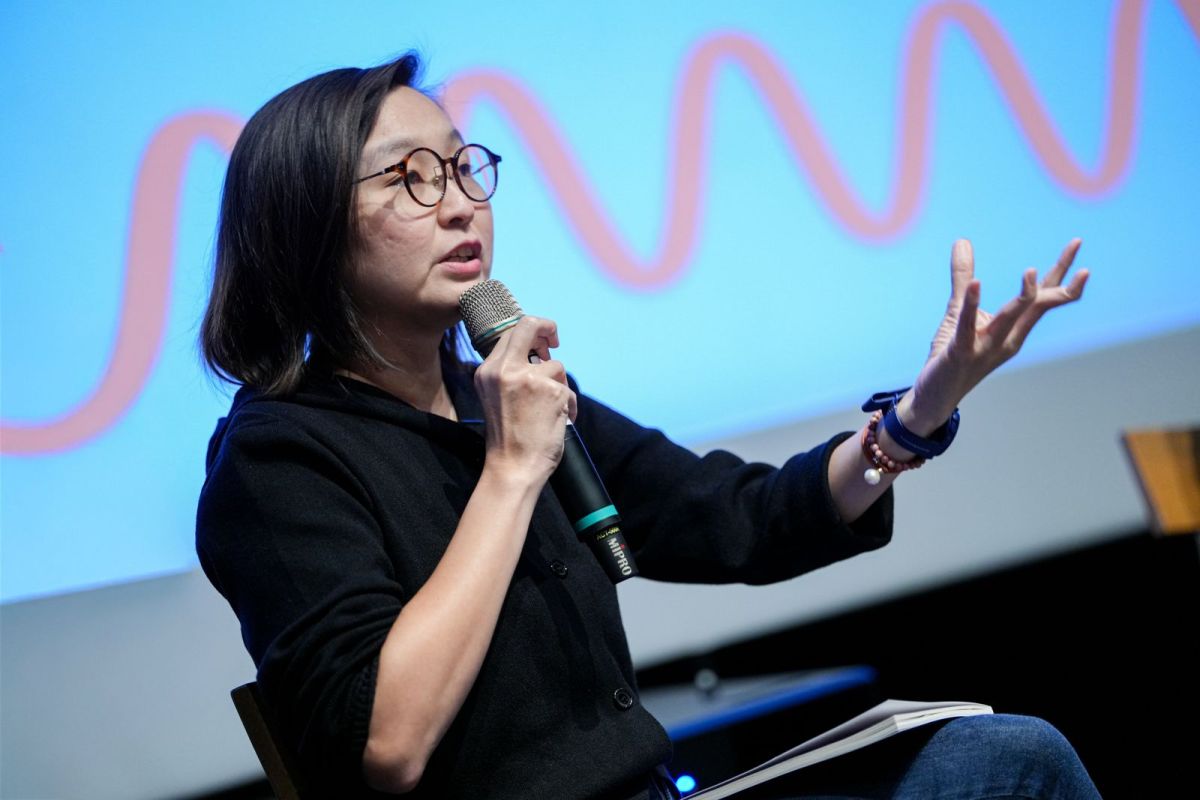
Deputy Minister of Creative Economy Irene Umar, at a discussion event titled “Silently Damaging: The State of Film Copyright in Indonesia” at Taman Ismail Marzuki, Jakarta, on Thursday (30/4), stated that copyright protection is part of efforts to support the development of the creative industry.
“Protecting copyright is not just about the film industry, but about safeguarding the dignity of our entire creative economy. Let us unite to expand the value of the creative industry so that every work can be appreciated sustainably for the future of creators,” she said, as quoted in the ministry’s press release on Friday.
Irene stated that the government is seeking to strengthen regulations on copyright protection, including by supporting amendments to Law No. 28 of 2014 on Copyright to create a fairer and more transparent system.
She emphasised the importance of support for creative practitioners in efforts to foster creative economy businesses.
“The creative economy is a new engine of growth powered by the purity of heart and passion of its actors,” she said.
The discussion event, organised by the Arts Coalition on 29–30 April 2026, addressed digital exploitation practices that harm the film industry, the establishment of collective management institutions for films, and the integration of national data to strengthen the economic valuation of works.
The event, attended by industry and government representatives, also included presentations of research findings and the launch of strategies to improve literacy on intellectual property (IP), intended to help film industry practitioners use their works as collateral to obtain financing.
“In the midst of a chaotic royalty system that tends to benefit parties exploiting creators’ ignorance, I am very proud that in Indonesia, artists and experts from various fields are willing to unite and collaborate to protect our creative rights—a unity rarely found in other countries,” said Head of the UNESCO Jakarta Culture Programme, Moe Chiba.