
Ministry of Cooperatives to Develop Mosque Cooperatives with MES and DMI
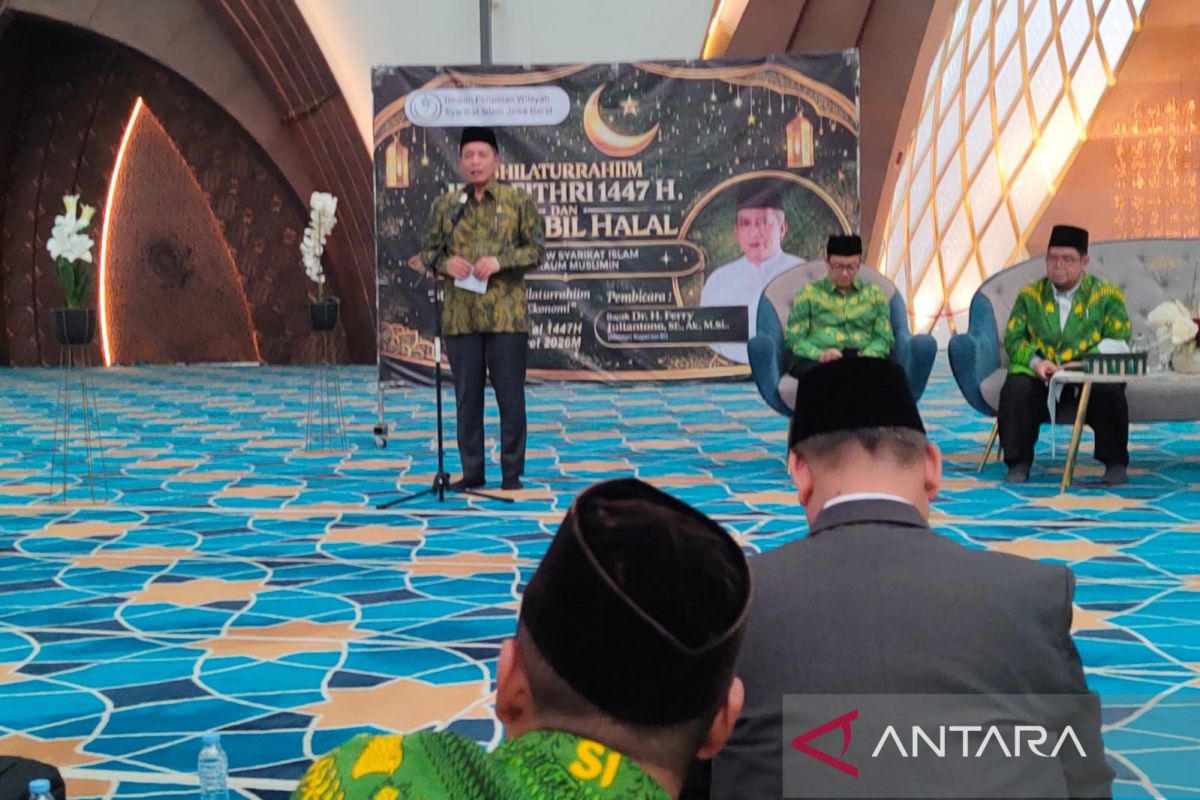
Jakarta (ANTARA) - The Ministry of Cooperatives is building collaboration with various parties, including the Islamic Economic Society (MES) and the Indonesian Mosque Council (DMI), to develop mosque-based cooperatives as an effort to strengthen the community’s economy.
Minister of Cooperatives Ferry Juliantono, quoted from his official statement in Jakarta on Sunday, said the initiative also involves the National Zakat Agency (Baznas), the Ministry of Religious Affairs and Danantara.
According to him, the synergy aims to operate cooperative units within mosque areas so that mosques function not only as places of worship, but also possess business entities capable of driving the community’s economic independence.
“Malaysia is also developing mosque cooperatives. President Prabowo wants mosques to be not only places of worship, but also to have business entities that make mosques more self-reliant and able to unlock the potential of the community,” he said during the inauguration of the West Java regional MES board and a national seminar in Bandung on Saturday (25/7).
Ferry, who is also the Daily Chairman of MES, asked the regional MES boards to no longer focus solely on Islamic economic literacy activities, but to also become directly involved in developing productive real sectors.
He also asked each regional MES board to inventory Muslim entrepreneurs in their respective areas in order to help open access to capital while strengthening business capacity.
Regional MES boards are also expected to become nodes driving the Islamic economy by connecting government, businesses, academics, Islamic boarding schools, financial institutions, communities and various other stakeholders.
On that occasion, Ferry also touched on the role of the Red and White Village/Neighbourhood Cooperatives (KDKMP) as the distribution infrastructure for subsidised goods and social assistance at the village level.
According to him, strengthening KDKMP alongside the active involvement of organisations such as MES can broaden economic equity and create jobs.
Meanwhile, Assistant for Economy and Development at the West Java Provincial Regional Secretariat Sumasna said the regional government hopes MES can take on a strategic role as a bridge connecting government, regulators, businesses, academics and Islamic boarding schools in developing the Islamic economy.
Chairman of the West Java regional MES Hari Maksum said the 2024-2029 board will run four priority programmes, namely the MES Endowment Fund, green economic development, improvement of Islamic economic literacy and inclusion, and community empowerment.