
Ministry of Communication and Digital Blocks 3.45 Million Online Gambling Sites Since October 2024
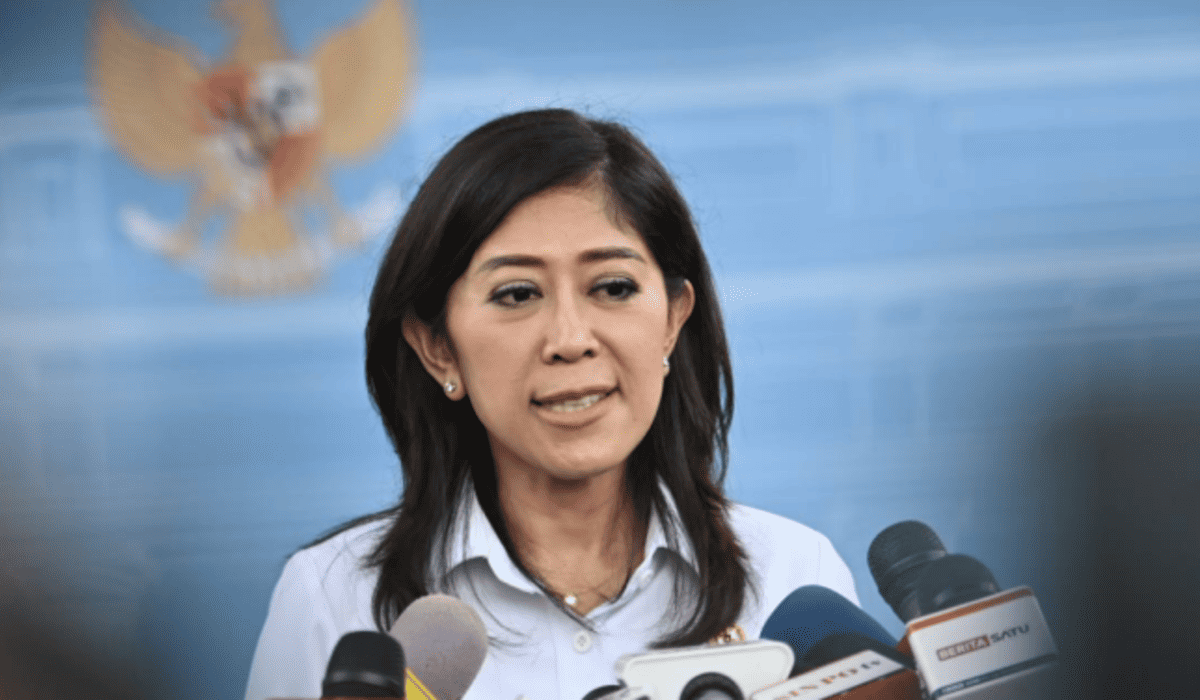
Indonesia is increasingly being identified as a base of operations for transnational digital crimes. The Ministry of Communication and Digital (Komdigi) has recorded significant achievements in eradicating illegal activities in cyberspace. From 20 October 2024 to 16 May 2026, the government has severed access to 3.45 million online gambling sites.
The Minister of Communication and Digital, Meutya Hafid, explained that this decisive step is part of the government’s commitment to cleansing Indonesia’s digital ecosystem of online gambling practices that harm the public. Speaking at a working meeting with Commission I of the House of Representatives (DPR RI) in Jakarta, Meutya confirmed the scale of the access disruptions.
These massive efforts are beginning to yield economic results. According to data from the Indonesian Financial Transaction Reports and Analysis Centre (PPATK), the circulation of online gambling funds in 2025 was recorded at Rp286 trillion, representing a decrease of approximately 30 per cent compared to the previous year, which reached Rp400 trillion.
In addition to blocking websites, the Ministry is also targeting the financial upstream sector by collaborating with the Financial Services Authority (OJK). Throughout 2025, the government has requested the freezing of 25,214 bank accounts strongly suspected of being linked to gambling activities. “This means we are not only cutting off access but also requesting the freezing of bank accounts through the OJK,” Meutya asserted.
Meutya highlighted new challenges, such as the use of e-wallets and electronic payment systems as means for illegal transactions. She urged digital payment platforms to strengthen their internal monitoring systems. She explained that combating online gambling requires more than just blocking access; it necessitates geofencing and rigorous oversight of financial transfers and payment systems.
Concluding her statement, Meutya reminded that the war against online gambling requires collective responsibility. She called on social media platforms to be more proactive in filtering gambling advertisements targeting users in Indonesia. “Online gambling is prohibited in Indonesia. All parties must share the same moral and legal responsibility. If perpetrators are not dealt with firmly, new sites will continue to emerge,” she concluded.