
Ministry of Basic and Secondary Education Increases Recipients of Affirmation Programme for Teachers in Remote Areas
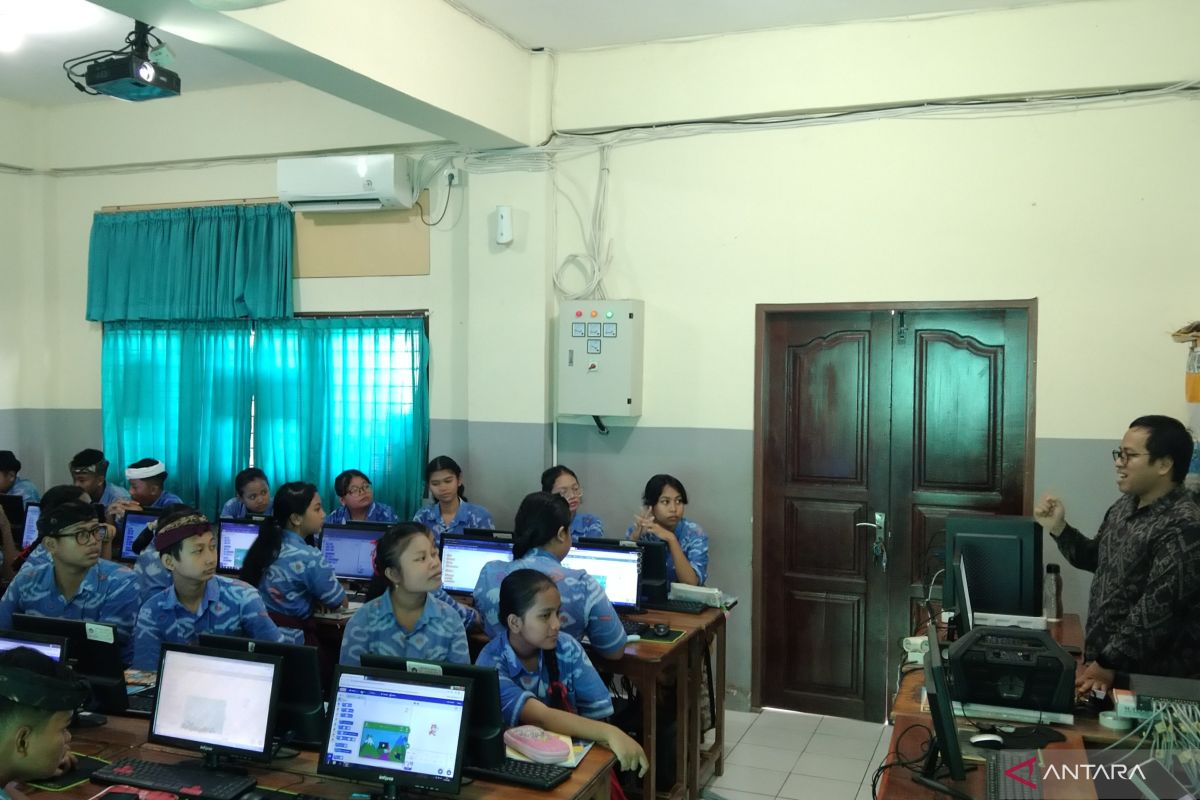
Jakarta (ANTARA) — The Ministry of Basic and Secondary Education (Kemendikdasmen) has increased its target for recipients of special allowances for teachers in remote, frontier, and outermost (3T) regions and disaster-affected areas in 2026, from 57,683 teachers to 65,871 teachers.
“This increase in targets demonstrates the government’s commitment to continually expanding the reach of protection and support for teachers serving in areas with geographical difficulties or emergency conditions. The state must ensure they continue to receive proper attention and support,” said Director General of Teachers, Educational Staff, and Teacher Education (GTKPG) at Kemendikdasmen, Nunuk Suryani, in Jakarta on Wednesday.
She expressed hope that improved teacher welfare would enable educators to focus more effectively on delivering quality and equitable educational services across all regions of Indonesia.
The ministry also confirmed that the disbursement of various allowances for regional civil servant (ASND) and non-civil servant teachers in the 2025 fiscal year had been fully realised at 100 per cent of the established target.
This achievement, Nunuk said, reflects the government’s commitment to ensuring the fulfilment of teachers’ rights in a timely, well-targeted, and accountable manner.
She noted that the full realisation of disbursements was inseparable from the strengthening of digital system-based disbursement governance, regular data updates, and intensive coordination between central and regional governments.
“Alhamdulillah, teacher allowance disbursements for 2025 have reached 100 per cent of the established plan. This represents the government’s commitment to ensuring all teacher entitlements are received in full, transparently, and in accordance with statutory provisions,” Nunuk said.
The types of allowances disbursed to civil servant and non-civil servant teachers include the Teacher Professional Allowance (TPG) for teachers who hold educator certificates and meet workload requirements in accordance with regulations; the Teacher Special Allowance (TKG) for teachers serving in remote, frontier, and outermost (3T) regions and areas with special conditions; and the Supplementary Income Fund (DTP) for regional civil servant teachers as a form of welfare enhancement support in line with government policy.
Nunuk emphasised that the allowance policy is not only aimed at improving welfare but also at strengthening the professionalism and motivation of teachers in enhancing the quality of learning.
The ministry will continue to refine allowance disbursement governance through data system integration, strengthened verification and validation mechanisms, and multi-layered oversight to ensure accountability. The government also ensures that no deductions inconsistent with regulations occur during the disbursement process.