
Ministry of Agriculture Strengthens Livestock-Plantation Integration for Indonesia's Food Security
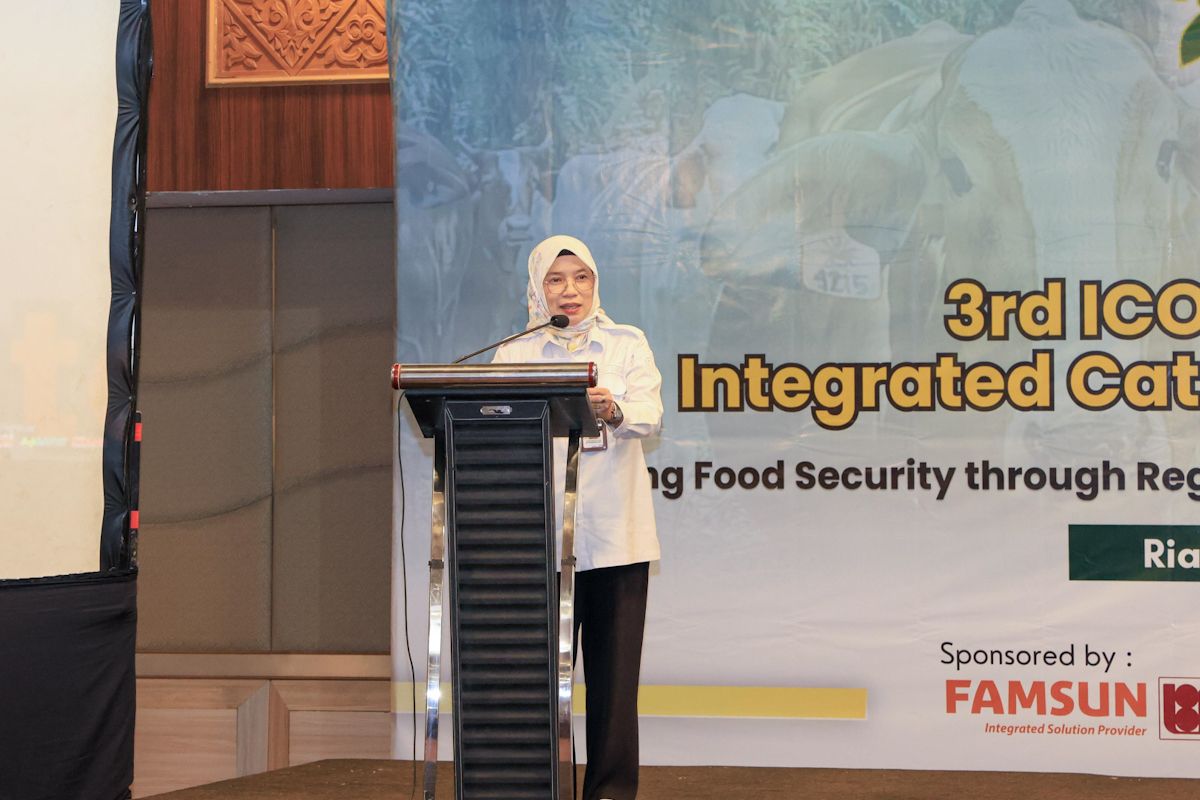
Jakarta (ANTARA) - The Ministry of Agriculture is strengthening the integration of livestock and plantations through the Cattle-Oil Palm Integration System (SISKA) to improve business efficiency, reduce feed costs, and support sustainable national food security. “The Cattle-Oil Palm Integration System or SISKA is a strategic step to increase livestock farmers’ productivity while strengthening national food security,” said Director of Feed at the Directorate General of Livestock and Animal Health of the Ministry of Agriculture, Tri Melasari, in a statement in Jakarta on Thursday. She emphasised this at the international forum, The 3rd Integrated Cattle and Oil Palm Conference (ICOP) 2026, in Pekanbaru, Riau, which highlighted the importance of integrating livestock and plantation businesses as a solution for efficiency and sustainability. Tri affirmed that SISKA is part of a broader strategy for sustainable livestock development through efficient production systems based on local resources. “In this context, the integration of cattle with oil palm plantations discussed at ICOP is highly relevant and strategic,” she stressed. According to her, strengthening SISKA is not only focused on increasing livestock populations but also ensuring the sustainability of farmers’ businesses through cost efficiency and improved competitiveness. Through strengthening SISKA, continued Tri, the government aims to provide concrete solutions for farmers, not only in increasing production but also in protecting the sustainability of their businesses amid global dynamics. “This approach also demonstrates the state’s presence in creating a more resilient, efficient livestock system that favours farmers,” said Tri. She added that with collaboration between the government, academics, and business actors, the implementation of SISKA is expected to continue developing and provide real impacts for farmers in various regions, while supporting the realisation of national food security based on animal protein. Meanwhile, the Minister of National Development Planning/Head of Bappenas, Rachmat Pambudy, assessed the integration of the livestock and plantation sub-sectors as key to strengthening the resource-based domestic economy. “Indonesia does not lack resources. What we need is a way to manage them more integrally, efficiently, and sustainably,” said Rachmat. According to him, the integration of cattle with oil palm plantations provides direct benefits, from feed cost efficiency through the utilisation of plantation waste, increased livestock productivity, to additional income sources. “This model also opens up new business opportunities based on more stable and sustainable partnerships,” he said.
Source: jawawa.id (https://jawawa.id/newsitem/ministry-of-agriculture-strengthens-livestock-plantation-integration-for-indonesias-food-security-1775728258)
Originally published by Antara (Indonesian) (https://www.antaranews.com/berita/5519079/kementan-perkuat-integrasi-peternakan-perkebunan-demi-pangan-ri), translated from Indonesian