
Ministry of Agriculture pushes for animal vaccine and medicine investments to bolster Indonesia's livestock sector
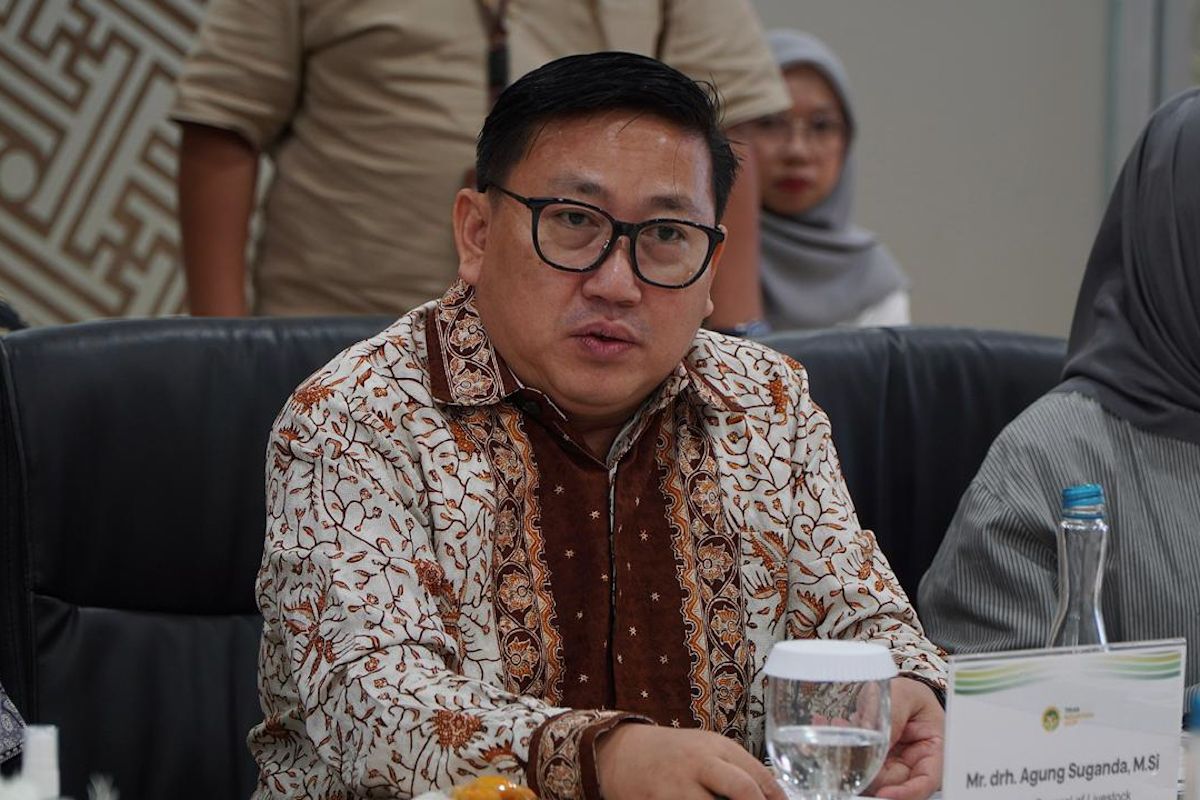
The Ministry of Agriculture is strengthening national livestock sector autonomy through the development of a domestic animal vaccine and medicine industry. The Ministry of Agriculture (Kementan) is promoting investments in animal vaccines and medicines to strengthen the national livestock industry, maintain animal health, boost production, and support sustainable food security in Indonesia.
“The Ministry of Agriculture is continuously strengthening national livestock subsector autonomy through the development of domestic animal vaccine and medicine industry,” said Agung Suganda, Director General of Animal Husbandry and Animal Health at Kementan, in a statement in Jakarta on Friday.
He highlighted a key initiative being pursued is the investment collaboration to build a modern animal vaccine and medicine factory in Takalar Regency, South Sulawesi, with the national private sector and global industry partners.
Agung stressed that national demand for animal vaccines and medicines is rising alongside livestock population growth and strengthened national food security programs, including support for President Prabowo Subianto’s Free Nutritious Meals (MBG) initiative.
“The government continues to promote increased national animal protein production by strengthening the livestock subsector. Therefore, the demand for animal vaccines and medicines is rising and must be met through self-sufficiency and sustainability,” Agung said during a discussion on animal vaccine investment cooperation in Makassar, South Sulawesi.
Agung explained that the government, through the BBVF Pusvetma (Central Veterinary Laboratory), is currently building a more modern vaccine production facility. However, the government currently meets only about 32% of national poultry vaccine demand, making collaboration with the private sector and global partners crucial.
“We are very open to technology transfer and vaccine production development collaborations in Indonesia, particularly for vaccines currently imported,” he added.
According to Agung, Indonesia has a vast market potential, not only for poultry and cattle vaccines but also for pet and sport animal vaccines, such as those for horses.
“Demand for dog, cat, and horse vaccines and medicines is growing rapidly, especially in major cities. This presents highly promising investment opportunities,” he said.
The Ministry of Agriculture stressed it will continue to oversee the investment process to ensure compliance with Indonesian government standards and regulations, while guaranteeing technology transfer and enhanced national human resource capacity.
“We want this investment not only to establish new industries but also to build national vaccine self-sufficiency, strengthen biosecurity, and enhance Indonesia’s livestock competitiveness,” Agung said.
Meanwhile, Zhou Yuegang, Chief Accountant of China National Agricultural Development Group (CNADC) leading the China Animal Husbandry Industry Corporation (CAHIC) delegation, expressed appreciation for Indonesia’s openness in building animal health collaboration.
“We see Indonesia as a highly strategic market with significant livestock industry growth potential. Therefore, we support strengthening long-term cooperation in vaccine and animal health development,” Zhou said.
He added that his company would continue internal discussions to strengthen investment and technology collaboration opportunities with Indonesian partners.
“We hope this cooperation can evolve into a mutually beneficial strategic partnership for both Indonesia and China,” he added.
Meanwhile, Rahman Arif, representing PT Kawasan Industri Takalar (KITA), outlined plans to develop a modern industrial zone in Takalar, integrated with ports, logistics, livestock industries, and supporting facilities.
“The Takalar industrial zone is being prepared as a new growth hub for Eastern Indonesia, including integrated and sustainable animal vaccine and medicine industry development,” Arif explained.
He added that the industrial zone is designed to support long-term investments in the national livestock and animal health subsector.