
Ministry of Agriculture Opens e-RDKK 2027, Tightening Subsidised Fertiliser Data Validation
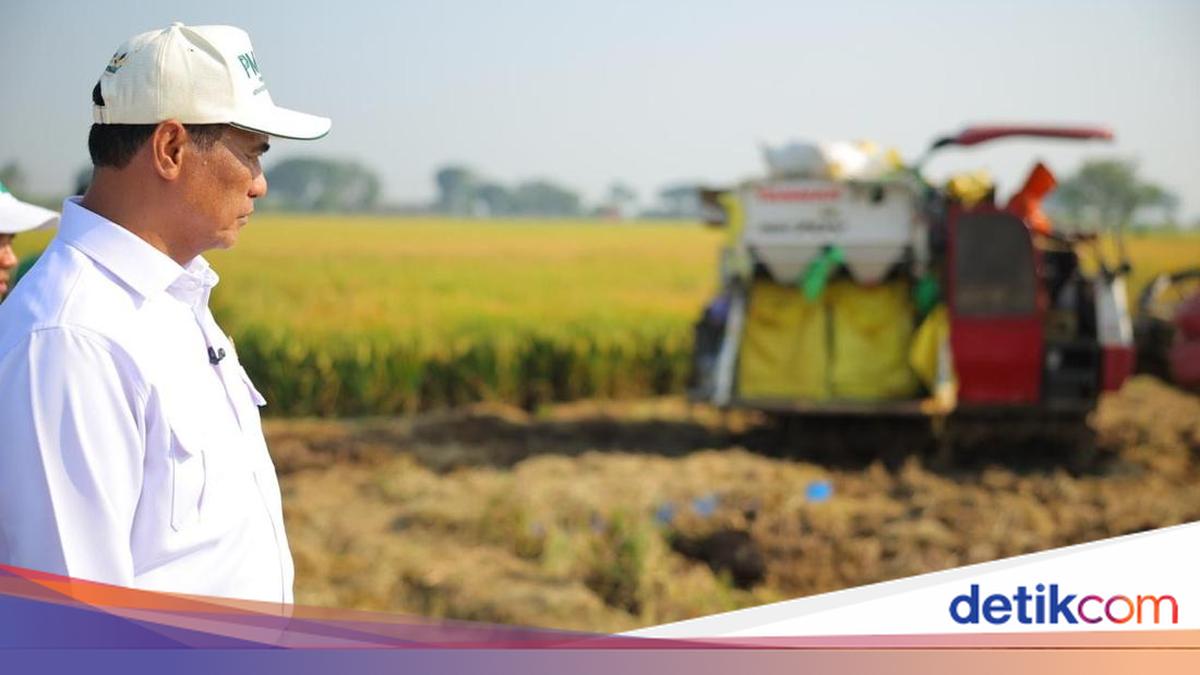
The Ministry of Agriculture (Kementan) has begun the electronic data collection for the 2027 Fiscal Year Group Definitive Need Plan (e-RDKK) regarding the distribution of subsidised fertiliser. The data collection process will run until 25 October 2026, with a tightened validation process to ensure that recipient data and fertiliser requirements truly reflect actual field conditions.
Data updates include farmer identities, land area and location, cultivated commodities, and fertiliser requirements. Data from previous years cannot be used directly without undergoing a re-examination and verification process.
The Minister of Agriculture, Andi Amran Sulaiman, stated that subsidised fertiliser is one of the government’s instruments to maintain agricultural productivity and strengthen national food security. “We want farmers to obtain fertiliser easily, quickly, and according to their rights. If fertiliser is easily obtained, production increases, farmers profit, and national food security becomes stronger. That is the main goal we continue to fight for,” Amran said in a statement on Thursday (1/10/2026).
Meanwhile, the Director General of Agricultural Infrastructure and Facilities (PSP) of the Ministry of Agriculture, Andi Nur Alam Syah, said that accuracy is the primary principle in preparing the 2027 e-RDKK. Therefore, the data collection process must reflect the actual conditions of farmers and their land. “Data collection must be based on actual field conditions, not merely copying data from previous years. Farmer status, land area and location, planted commodities, and recipient identities must be re-checked,” said Andi.
Andi reminded all parties involved in the data collection to utilise the period up to 25 October 2026 by conducting careful verification. Changes in field conditions, such as changes in land area, location, commodities, or the status of farmers as subsidy recipients, must be promptly followed by data updates. This includes data on farmers who are no longer active or have passed away; such data must be updated according to applicable regulations so they are no longer recorded as recipients.
The Ministry of Agriculture is also evaluating recipient data recorded in the system who did not redeem their fertiliser. This evaluation is part of the effort to improve data quality so that the 2027 fertiliser requirement proposals more accurately reflect the real needs of farmers.
One of the adjustments in the 2027 e-RDKK is the use of the ‘Planting Period’ concept as the basis for calculating fertiliser needs, replacing the term ‘Planting Season’. Through this approach, fertiliser requirements are calculated based on land area, planting period, cultivated commodities, and the recommended fertiliser dosage available in the system.
“The calculation of needs must be rational. Land area and planting periods must correspond to actual conditions and follow the recommended dosage available in the system. Thus, fertiliser requirement proposals can be more measurable,” explained Andi. The Ministry considers this approach essential so that proposals are based not only on administrative data but also consider the actual cultivation activities performed by farmers.
To support this process, Field Agricultural Extension Workers (PPL) along with regional agricultural offices are requested to conduct thorough verification before data is submitted for ratification. The 2027 e-RDKK system is also equipped with a duplication monitoring feature to help identify potential duplicate entries of recipient data.
Andi requested all parties involved in the data collection to utilise this feature optimally and ensure every piece of data has been checked before ratification. He also reminded that data ratified by the Head of the Agricultural Office cannot be edited again. Therefore, the inspection process must be carried out carefully from the initial stage.
Subsidised fertiliser is intended for farmers with a maximum land area of two hectares who are registered in the Agricultural Extension Management Information System (Simluhtan) and e-RDKK. The commodities eligible for subsidised fertiliser include rice, maize, soybeans, cassava, chilli, shallots, garlic, coffee, sugarcane, and cocoa.
With the data collection period running until 25 October 2026, the Ministry of Agriculture requests all related parties to use this time to ensure farmer data and fertiliser needs are accurately checked and updated. Through a more accurate and verified 2027 e-RDKK, the Ministry hopes that the planning of fertiliser requirements will be more in line with field conditions, ensuring allocation is measurable and distribution is precise, in the correct amount, and meets the needs of farmers.
Source: jawawa.id (https://jawawa.id/newsitem/ministry-of-agriculture-opens-e-rdkk-2027-tightening-subsidised-fertiliser-data-validation-1790841556)
Originally published by detikcom (https://news.detik.com/berita/d-8687667/kementan-buka-e-rdkk-2027-validasi-data-pupuk-bersubsidi-bakal-diperketat), translated from Indonesian