
Ministry Clarifies 60,000 Student Resignation Claim as Erroneous
The Ministry of Higher Education, Science, and Technology (Kemdiktisaintek) has corrected misleading information circulating among the public regarding 60,000 prospective new students allegedly withdrawing or failing to re-register in this year’s selection process.
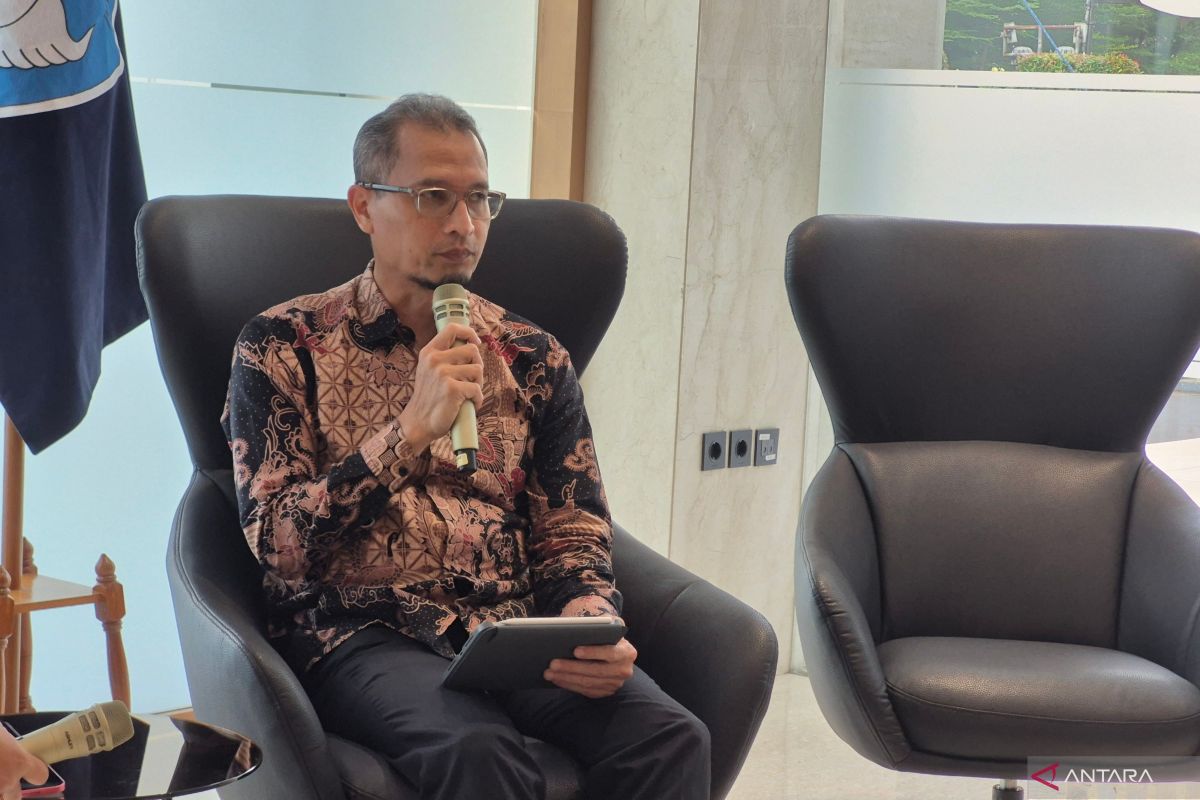
Director of Learning and Student Affairs at Kemdiktisaintek, Beny Bandanadjaja, emphasised during a discussion forum in Jakarta on Wednesday that the narrative of 60,000 students resigning in 2026 is incorrect, as the independent admission process for new students is still ongoing until the deadline of 31 July 2026.
He stressed that the widely discussed figure of 60,000 actually referred to the presentation of 2025 evaluation data delivered by the National Selection Committee for New Student Admissions during a hearing with the Indonesian House of Representatives (DPR RI).
Beny detailed that out of a total national capacity of 627,000 seats in 2025, 585,000 individuals were successfully accepted through the selection process. The difference of approximately 40,000 vacant seats was purely due to the non-fulfilment of capacity because participants did not meet the minimum quality standards, not because they resigned.
“Of the 585,000, it is true that some did not re-register. If we calculate the 2025 data, it was around 17,000 or about 2.8 per cent of those accepted,” Beny stated.
The first reason was a mismatch of study programmes. Test-based selection participants are allowed to choose up to five study programmes, and they often withdraw because they were accepted into their second, third, or subsequent choices, which were not their main priority.
The second reason, Beny continued, is that many participants also apply for civil service higher education institutions under other ministries. The appeal of a service bond and guaranteed employment upon graduation leads many prospective students to relinquish their seats at state universities.
Meanwhile, the third reason relates to financial constraints, where a number of applicants for the Smart Indonesia Card (KIP) College programme were declared ineligible, forcing them to withdraw while seeking alternative financing or scholarships from other parties.
“Therefore, they may ultimately be unable to continue because they do not re-register due to financing issues as well, because typically those who register for KIP College certainly have financial shortcomings. So when they are not eligible, they certainly cannot proceed,” Beny Bandanadjaja concluded.