
Ministry and Regional Governments Strengthen Synergy to Expand Distance Education for Out-of-School Children
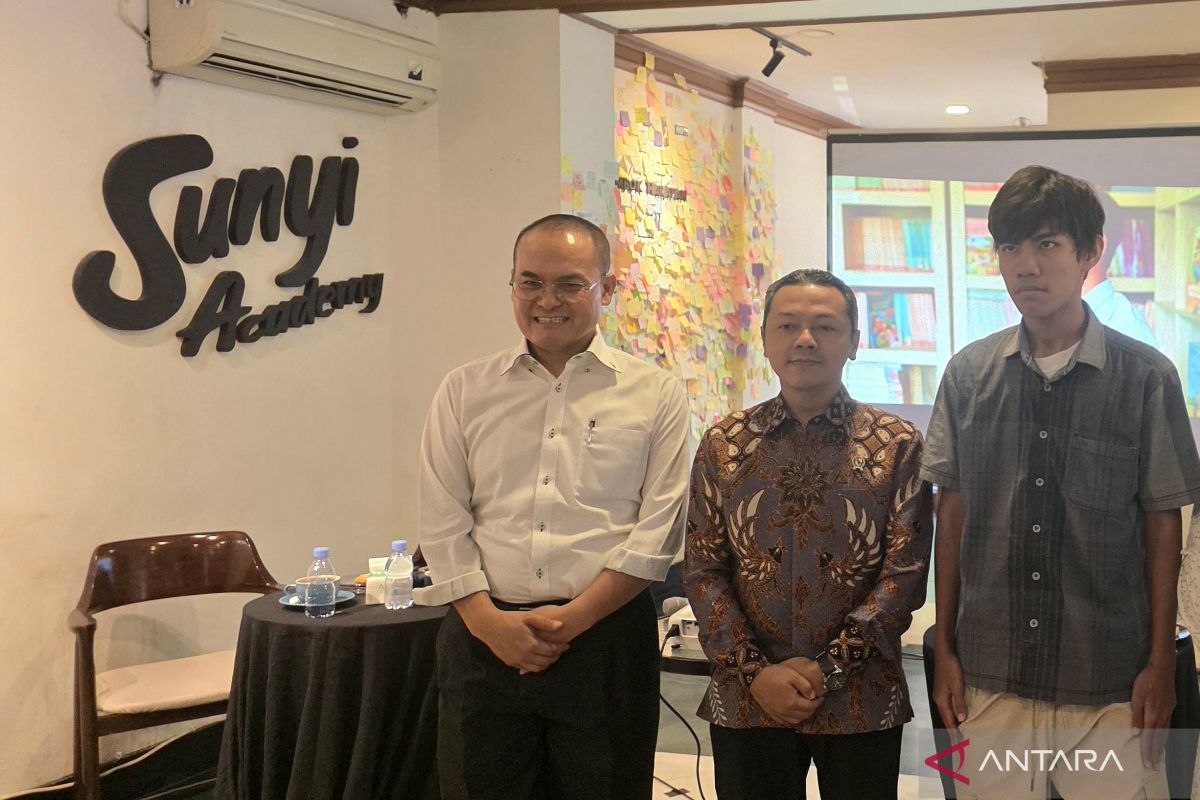
The Ministry of Basic and Secondary Education (Kemendikdasmen) is strengthening synergy with regional governments to expand the implementation of Distance Education (PJJ) for out-of-school children through a School Environment Orientation Period (MPLS) at the secondary education level. The MPLS serves as an initial stage for new students to understand the characteristics of distance learning, while also allowing educational units to map each student’s learning needs so that services can be tailored to their individual conditions and characteristics.
Vice Minister of Basic and Secondary Education Fajar Riza Ul Haq emphasised that the success of PJJ cannot be achieved solely through central government policy or the responsibility of educational units alone. He stated that it requires close collaboration between the central government, regional governments, educational units, families, and the community to build an educational ecosystem capable of reaching every child. Fajar also expressed optimism that strengthening governance, systems, and quality assurance will continue to improve the quality of PJJ, enabling its graduates to have qualifications equivalent to those from formal regular education.
Director General of Secondary and Special Education Tatang Muttaqin added that the MPLS for PJJ is not merely an introduction to the learning environment, but a foundation for students to build character, independence, and digital literacy. This commitment received support from regional governments, with East Java Vice Governor Emil Elestianto Dardak affirming that distance education is part of an effort to ensure educational services reach all children. He stressed the philosophy that schools must reach out to children, not wait for children to come to school, regardless of geographical conditions or socio-economic backgrounds.