
Minister Zulhas Says Islamic Boarding Schools Can Build MBG Kitchens, Here Are the Requirements
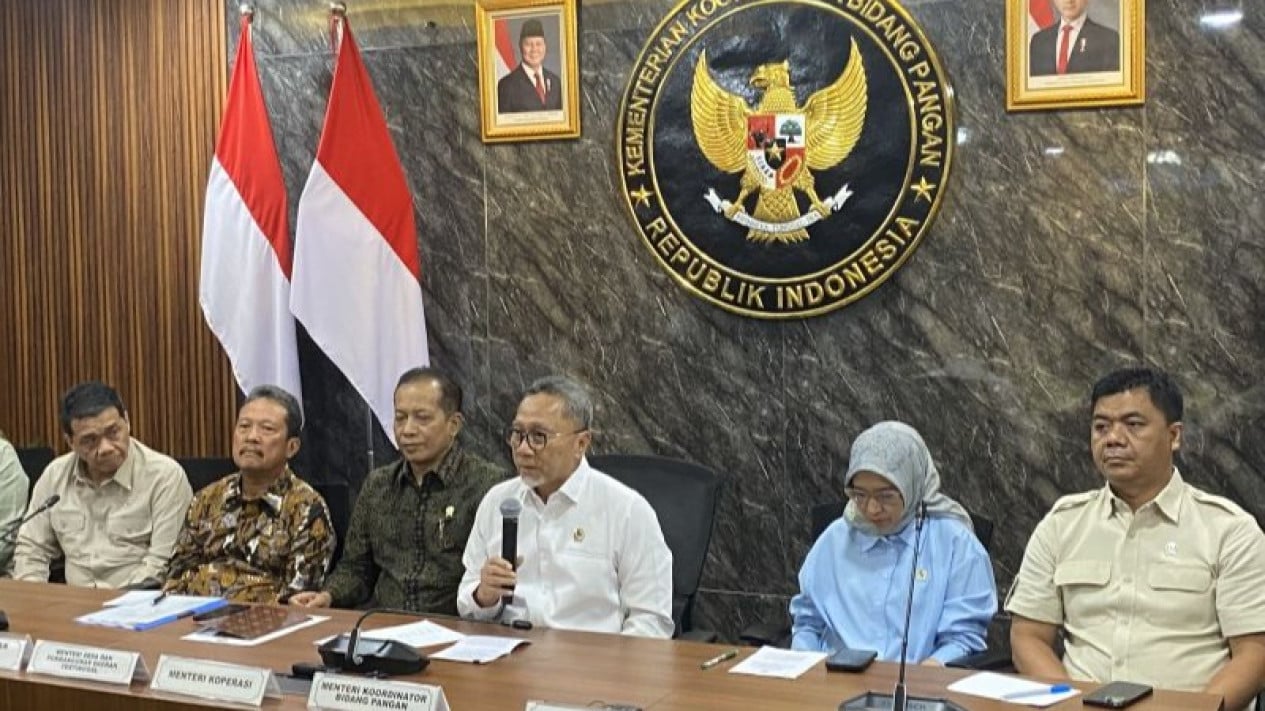
The government is allowing Islamic boarding schools (ponpes) and faith-based residential schools to independently build and manage Nutrition Fulfilment Service Units (SPPG), or kitchens for the Free Nutritious Meals (MBG) programme.
This was conveyed directly by Coordinating Minister for Food, Zulkifli Hasan, or Zulhas, following a Limited Coordination Meeting on improving the governance of the MBG programme, attended by Coordinating Minister for Human Development and Culture Pratikno, State Secretary Minister Prasetyo Hadi, and Home Affairs Minister Muhammad Tito Karnavian.
The meeting was also attended by Health Minister Budi Gunadi Sadikin, Head of the National Nutrition Agency (BGN) Sudaryono, and representatives from various related ministries and institutions.
Zulhas said that boarding schools may manage MBG kitchens independently provided they have more than 1,000 santri or students.
Furthermore, the kitchens must meet SPPG standards to guarantee the safety and quality of the food served to male and female students.
“It has been decided that boarding schools or faith-based and residential schools with more than 1,000 students may build kitchens, but they must be SPPG-standardised,” Zulhas said at the Coordinating Ministry for Food office on Thursday, 6 August 2026.
Zulhas explained that the policy aims to facilitate the implementation of the Free Nutritious Meals programme in residential educational institutions with a large number of beneficiaries.
“It makes things easier. For example, a boarding school with 2,000 students or santri, perhaps 2,000 of whom are boarders, can build a kitchen on its premises, but it must meet SPPG standards and also have an SLHS (Hygiene and Sanitation Eligibility Certificate). That was our meeting,” he explained.
Meanwhile, pesantren and residential schools with fewer than 1,000 santri or students are directed to use services from the nearest SPPG so that programme implementation remains efficient.
The government hopes the arrangement will expand the reach of the Free Nutritious Meals programme while ensuring all beneficiaries receive nutritious food that meets national safety and quality standards.
Previously, the government has continued to accelerate the distribution of the Free Nutritious Meals programme to reach the target of 82.9 million beneficiaries by the end of 2026, including for students in pesantren, which to date is still recorded at only 10 percent.