
Minister: Waste-to-energy part of strategy for 100% waste management in Indonesia
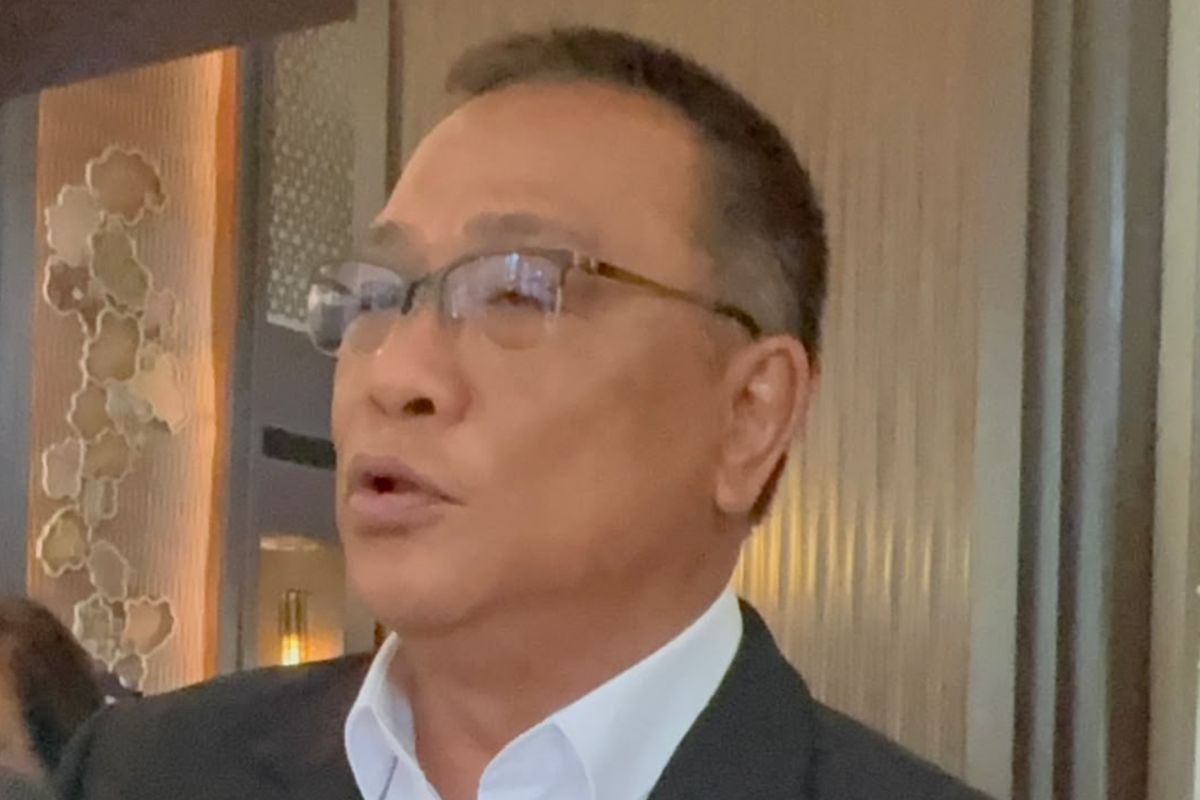
“PSEL is one thing, but we still have around 480, or roughly 470, regencies and cities remaining. The problem is the same: we must ensure waste is fully managed, 100 percent.”
Jakarta (ANTARA) - Environment Minister Mohammad Jumhur Hidayat said that Waste-to-Energy (PSEL) plants form part of the government’s strategy to resolve 100 percent of national waste management through a variety of technological approaches.
“PSEL is one thing, but we still have around 480, or roughly 470, regencies and cities remaining. The problem is the same: we must ensure waste is fully managed, 100 percent,” Jumhur said after the Waste to Energy Talks: Reducing Waste, Powering the Future event in Jakarta on Thursday.
According to him, PSEL is primarily directed at urban areas or agglomerations with large-scale waste generation, while other regions require processing methods tailored to the volume and characteristics of their waste.
During the panel discussion, Jumhur estimated that PSEL plants with a minimum capacity of 1,000 tonnes per day could serve around 60-70 regencies and cities grouped within several agglomeration zones.
Meanwhile, around 480 other regencies and cities still require waste management solutions outside of PSEL, including processing into fuel, material reutilisation, and organic waste processing.
“Waste to energy can mean electricity, it can mean other fuels, and it can even become oil fuel. Earlier we spoke mostly about electrical energy,” he said.
Jumhur said the government is simultaneously pursuing waste reduction and management at source through sorting campaigns, public education to prevent littering, and river clean-up activities.
“Concrete steps in that direction are already being taken, starting from waste sorting campaigns, educating the public not to litter and to sort their waste, cleaning rivers, and so on,” he explained.
According to the government’s presentation at the event, national waste generation reaches approximately 141,926 tonnes per day. Of that amount, around 26 percent is already well managed, while the remainder still requires strengthened systems for reduction, collection, and processing.
Under the roadmap towards 100 percent managed waste by 2029, PSEL is projected to contribute around 22.5 percent of waste handling, particularly in metropolitan and urban areas that meet the economies of scale.
The government is also directing around 25.3 percent of waste to be managed through integrated waste processing facilities based on refuse-derived fuel (RDF), especially in regions with access to industries that use alternative fuels.
Furthermore, around 20 percent will be handled through non-RDF integrated waste processing facilities or pyrolysis, 19.8 percent through TPS3R and master waste banks, and 12.4 percent through organic waste processing at source.
According to Jumhur, this allocation shows that converting waste into electricity is not the only option. Waste can also be turned into RDF, coal-substitute pellets, and other products within a circular economy framework.
He added that central government, regional governments, PLN, the business community, academics, and community groups need to work within a single system so that waste reduction at source proceeds in step with the development of processing facilities.
“All stakeholders, including PLN and others, are already in a good orchestration. They are even ready to purchase the electricity produced,” Jumhur said.
He is optimistic that resolving the waste problem can be accelerated to 2028-2029 through a combination of infrastructure development, sorting at source, public education, and the use of technology suited to each region’s needs.
Source: jawawa.id (https://jawawa.id/newsitem/minister-waste-to-energy-part-of-strategy-for-100-waste-management-in-indonesia-1784192316)
Originally published by Antara (Indonesian) (https://www.antaranews.com/berita/5652044/jumhur-psel-bagian-dari-strategi-100-persen-pengelolaan-sampah-ri), translated from Indonesian