
Minister Tito Urges Regional Governments to Support 2026 Economic Census
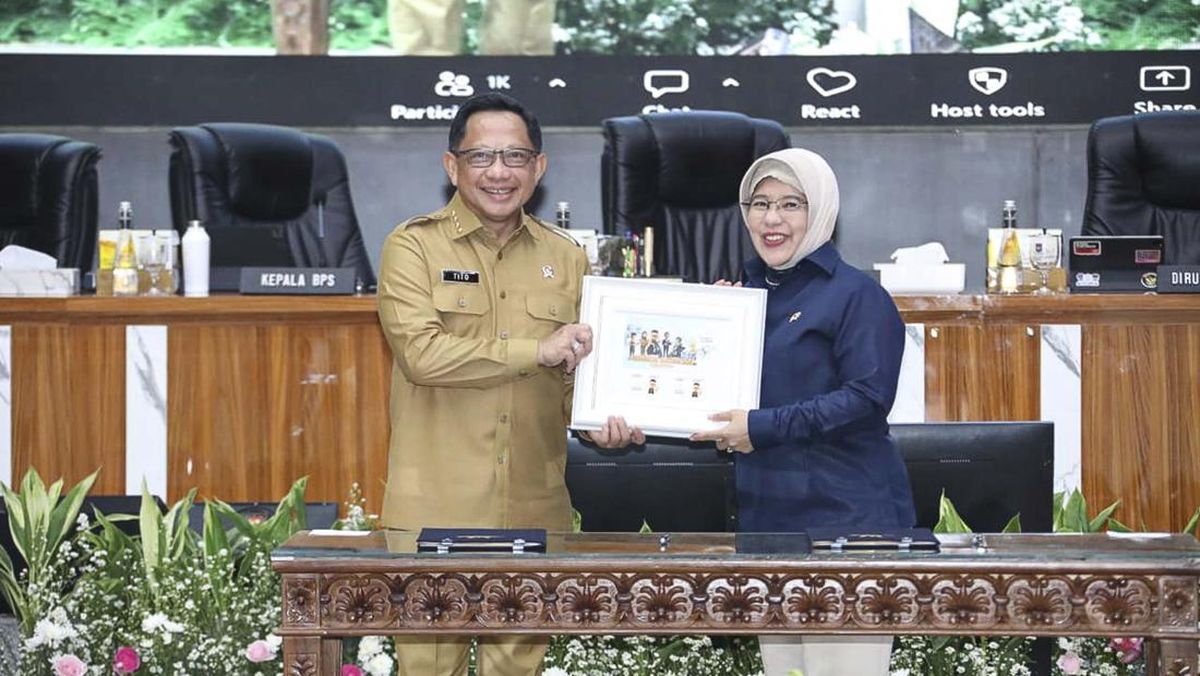
Home Affairs Minister Muhammad Tito Karnavian has requested regional heads to support the implementation of the 2026 Economic Census conducted by the Central Statistics Agency (BPS). Tito made this statement during the signing of a Joint Circular (SEB) with BPS Head Amalia Adininggar Widyasanti at the Sasana Bhakti Praja Building of the Ministry of Home Affairs in Jakarta on Monday (15/6). Tito stated that the data obtained from the census is crucial. “With data, based on data, we can make policies. The more accurate the data, the better the policies will be,” Tito said in a written statement. Tito mentioned that President Prabowo Subianto has tasked BPS with conducting the economic census to obtain data that comprehensively describes the current state of the community’s economy. This data will serve as the government’s primary foundation in formulating various economic policies. Therefore, support from regional governments is needed to ensure the census runs optimally. This programme will also provide significant benefits for the regions. Through the economic census, regional governments will have accurate data to understand the economic conditions of their areas, serving as a reference in formulating development policies. Moreover, data collection is carried out by BPS officers spread across all regions in Indonesia. “This census is conducted in all regencies/cities by BPS and is beneficial for all regency/city governments to understand the economic situation in their areas,” Tito said. Tito specifically encouraged regional heads, whether governors, regents, or mayors, to cooperate with the heads of BPS in their respective areas to ensure the success of the 2026 Economic Census. The signing of this Joint Circular provides a foundation for regions to obtain economic data that has not yet been optimally accessible. He cited the example that economic data in several special economic zones designated by the central government will later be accessible to the regions. The presence of this data will complement the databases already held by regional governments. Conversely, if support for the census implementation is not optimal, the resulting data could be less accurate. This condition could disadvantage regions as they would not obtain a real picture of the economic situation in their areas. “So please be proactive, fellow regional heads, invite BPS. Immediately. Discuss technically how to ensure the census activities in each region yield optimal results,” Tito said. After the signing of the Joint Circular, Amalia presented a folder on the synergy for implementing the 2026 Economic Census to the Home Affairs Minister. The presentation symbolised a shared commitment to strengthening collaboration to produce accurate and high-quality data.