
Minister Tito Outlines Four Key Drivers of Regional Economic Growth
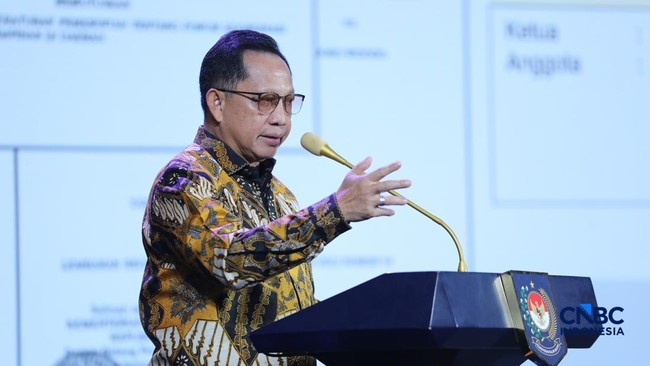
Jakarta, CNBC Indonesia – Home Affairs Minister Muhammad Tito Karnavian said the performance of regional heads could be measured by economic growth in their areas, given their significant role in driving local economies.
“Economic growth is, in my view, a very important figure for all regional heads to assess their performance,” Tito said at the third batch of the Regional Government Achievement Awards for the Nusa Tenggara and Maluku regions on Friday (20 November 2026).
Tito said there were at least four important components influencing regional economic growth. The first was household consumption, or people’s purchasing power.
“Economic growth reflects people’s ability to spend,” he explained.
The second, he continued, was regional government revenue and expenditure through the regional budget (APBD). The higher the revenue and spending by local governments, the more economic activity would circulate.
The third component was investment. Tito said regional leaders had succeeded in driving economic growth if they could persuade investors to come and invest in their areas.
“When investment is low, there must be obstacles in the region, perhaps in the system or due to other factors,” he said.
The final component, he said, was the net aggregate of exports minus imports. Regional leaders who succeeded would be able to encourage exports by local small and medium-sized enterprises (SMEs).
“Even in handicrafts, Indonesia still lags behind Vietnam and Thailand, let alone China and India. This is why I think economic growth figures are important: they consist of many diverse components and elements that the government, including regional governments, must work on,” he concluded.
Source: jawawa.id (https://jawawa.id/newsitem/minister-tito-outlines-four-key-drivers-of-regional-economic-growth-1795200670)
Originally published by CNBC Indonesia (https://www.cnbcindonesia.com/news/20261121004503-4-787144/menteri-tito-ungkap-4-komponen-penting-pendorong-ekonomi-daerah), translated from Indonesian