
Minister: Single-Door Export Policy to Strengthen Indonesia's Bargaining Power
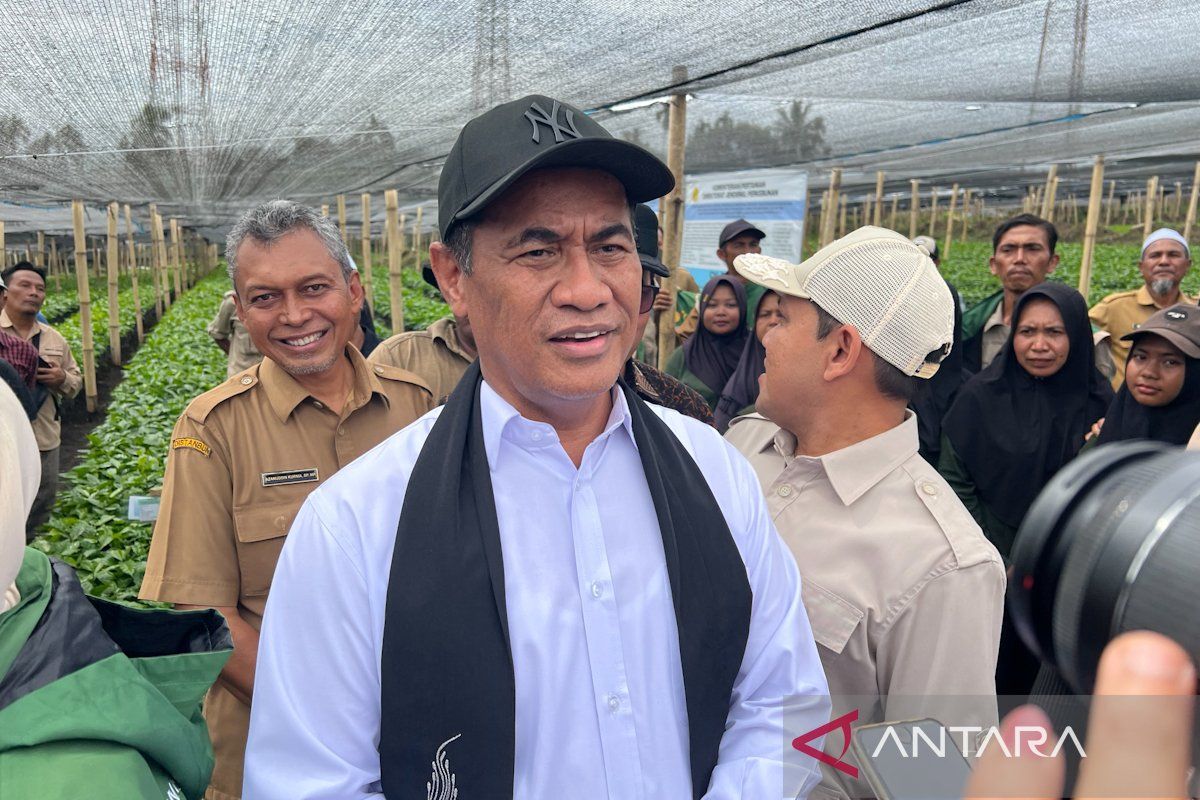
Agriculture Minister Amran Sulaiman has stated that the government’s single-door export policy is a strategic move to strengthen Indonesia’s bargaining position in the global market and improve farmer welfare. Speaking during a working visit to a coffee nursery in Bener Meriah, Aceh, on Tuesday, Amran explained that the policy, championed by President Prabowo Subianto, aims to make Indonesia a price setter rather than a price taker for its commodities.
“This is a policy of President Prabowo. Why a single door? So that we become the price setter, not the buyer. The price setter is the producer, which is Indonesia,” Amran said. He noted that historically, Indonesian commodity prices have been dictated by destination markets, preventing farmers and the state from receiving optimal returns.
The minister highlighted that the single-door export mechanism, managed through PT Danantara Sumberdaya Indonesia (DSI), will curb practices such as under-invoicing. He cited the example of crude palm oil (CPO), which is often purchased domestically at Rp14,000 to Rp15,000 per kilogram but sold abroad at nearly double the price, with the profits benefiting foreign entities rather than the nation. “If the CPO price rises to Rp20,000 per kilogram domestically, farmers’ incomes will increase significantly,” Amran added.
President Prabowo Subianto previously announced the establishment of a Natural Resources Export Management Agency. Under Government Regulation No. 24 of 2026 on the Governance of Strategic Natural Resource Commodity Exports, the single-door export policy will take effect on 1 June 2026 and is targeted to be fully operational by 1 January 2027. The initial phase will cover coal, crude palm oil, and ferroalloys.