
Minister: RoRo Ship Logistics to Ease Road Burden
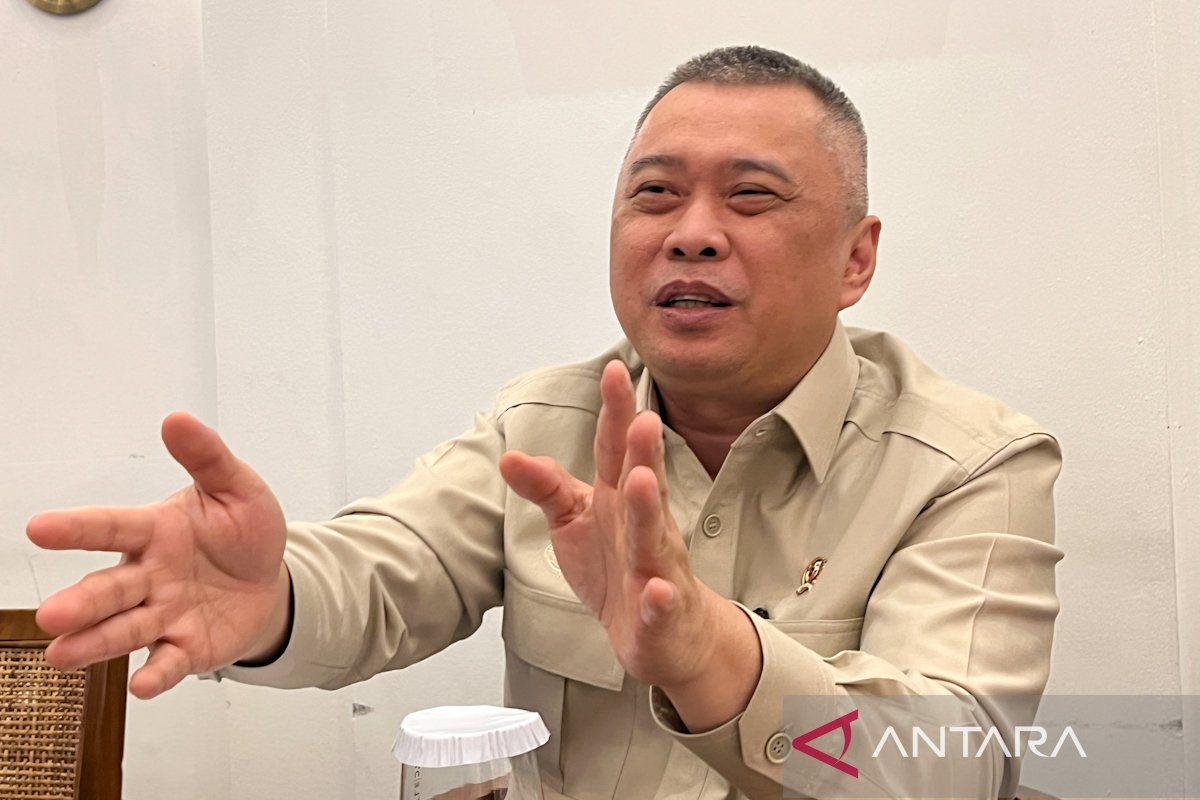
If we encourage logistics transport using RoRo ships, it is so that the load does not all accumulate on the highways.
Jakarta (ANTARA) - Minister of Transportation Dudy Purwagandhi has emphasised that shifting logistics transport to Roll-on/Roll-off (RoRo) vessels aims to reduce the load on roads, while simultaneously increasing the efficiency of goods distribution through various modes of transport.
Dudy stated that the government continues to encourage the use of RoRo ferry ships as an alternative for logistics distribution on short shipping routes, ensuring that freight transport does not rely solely on the national road network.
“If we encourage logistics transport using RoRo ships, it is so that the load does not all accumulate on the highways,” the Minister said during a discussion with the media in Jakarta on Friday (26/6) night.
He made these remarks while responding to media questions regarding government steps to promote RoRo vessels as a logistics mode, including routes from Semarang, Central Java, to Tanjung Priok Port, Jakarta.
“If there are entrepreneurs saying that RoRo can be profitable, then please, that is fine,” he added.
RoRo ships are a type of vessel specifically designed to carry wheeled cargo, such as cars, trucks, and heavy equipment, which can enter and exit the ship by driving themselves (roll-on and roll-off) using a ramp door.
Dudy emphasised that the government is opening opportunities for all business actors who see business prospects in operating RoRo ships or other logistics modes, according to each company’s respective business calculations.
Furthermore, he stated that the government will not provide subsidies for private logistics transport, as these are business activities that must be conducted based on the commercial considerations of the business players.
Instead, the government is striving to eliminate various obstacles, including additional costs and licensing processes, so that business actors only bear the operational costs truly necessary for distribution activities.
Dudy noted that if all obstacles can be removed, business actors will have greater room to increase efficiency, making logistics services via RoRo ships increasingly competitive in the market.
He added that growth in demand is a crucial factor in the success of Ro-Ro vessel services; therefore, the government is opening various opportunities for incentives to encourage increased demand for logistics transport.
Currently, the Minister noted, PT ASDP Indonesia Ferry (Persero) is beginning to plan the development of RoRo vessel services for container transport, while private entrepreneurs are still considering investment feasibility according to their respective capacities.
Dudy assessed that investment decisions are entirely at the discretion of the companies, as every business actor possesses different funding capabilities, business strategies, and profit levels according to their business conditions.
The government is also encouraging the use of railways as a mode of logistics transport, so that goods distribution can take place through a more integrated and efficient transportation system.
According to Dudy, the more logistics shift to RoRo ships or railways, the fewer trucks will operate on the roads, thereby reducing congestion and increasing the efficiency of the national logistics system.