
Minister Rini Applauds Indonesian Public Service Innovations Winning UNPSA 2026
Three Indonesian public service innovations have gained international recognition at the United Nations Public Service Awards (UNPSA) 2026 held in Tbilisi, Georgia. The award recipients are the Parepare City Government for its ‘Berdaya Srikandi untuk Srikandi’ innovation; the Finance and Development Supervisory Agency (BPKP) and the Ministry of Home Affairs for the Village Financial System (Siskeudes); and the Ministry of Energy and Mineral Resources through its Geological Agency for MAGMA Indonesia (Multiplatform Application for Geohazard Mitigation and Assessment in Indonesia).
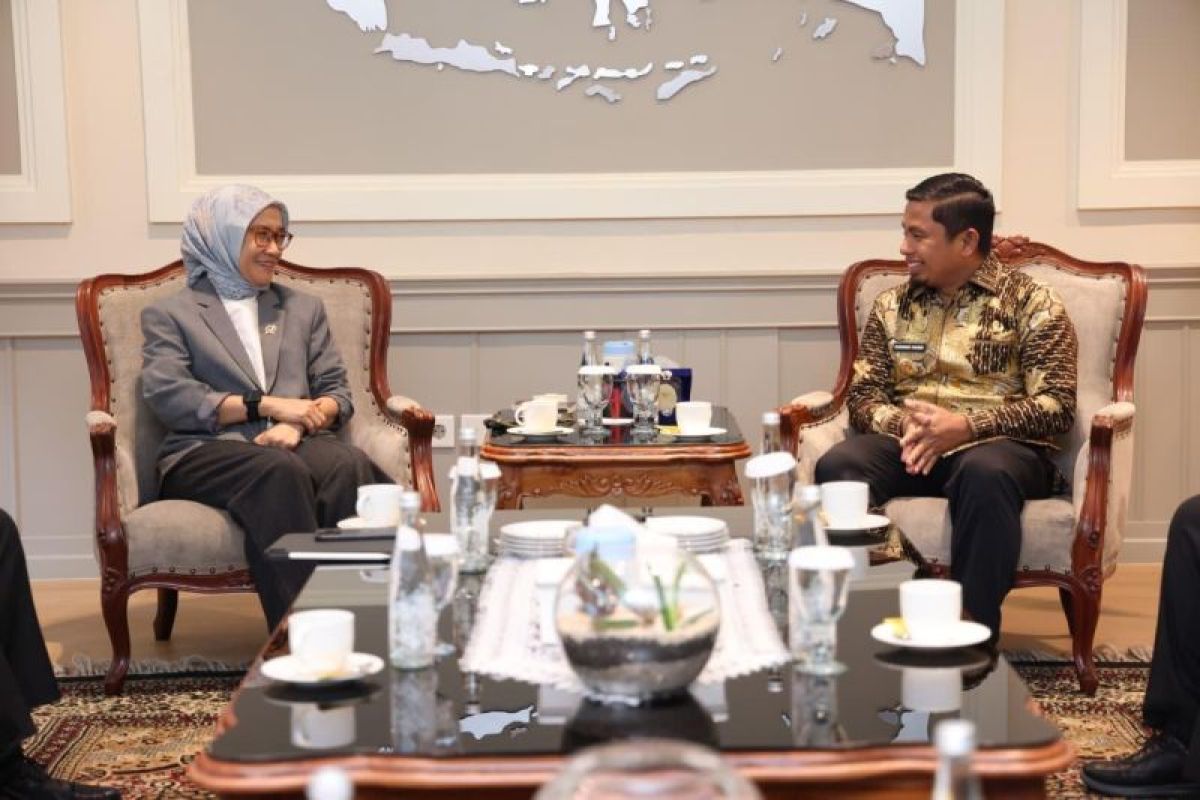
Minister for State Apparatus Empowerment and Bureaucratic Reform (PANRB) Rini Widyantini expressed her appreciation for the government agencies that received the awards from the United Nations. ‘Congratulations to Parepare City, the collaboration between BPKP and the Ministry of Home Affairs, and the Ministry of Energy and Mineral Resources for receiving awards at UNPSA 2026. This is a tremendous source of pride because these innovations prove that government agencies are not merely operating as usual, but are capable of delivering tangible benefits to the public,’ said the PANRB Minister during an audience with the award recipients at the Ministry of PANRB office on Monday (29/6/2026).
At UNPSA 2026, the ‘Berdaya Srikandi untuk Srikandi’ innovation from Parepare City was named the winner in the Gender-responsive Public Services category. The other two innovations received Honourable Mention status. The Siskeudes innovation from BPKP and the Ministry of Home Affairs was recognised in the Transparent and Accountable Public Institutions to Achieve the SDGs category, while the MAGMA Indonesia innovation from the Ministry of Energy and Mineral Resources was selected in the Delivering Inclusive and Equitable Services to Leave No One Behind category.
Indonesia’s achievements at UNPSA 2026 demonstrate that public service innovations developed by the country’s government agencies can gain global recognition. This serves as important capital to strengthen Indonesia’s position in the international public service reform agenda. The international acknowledgement shows that Indonesia possesses good public service practices worthy of being elevated to both national and international levels. However, the challenge ahead is to ensure that these innovations do not stop as individual practices or mere competition achievements.
Minister Rini assessed that the awards should be viewed not only as achievements for the respective agencies but also as momentum to strengthen guidance, documentation, replication, and the expansion of public service innovation impacts nationally. Future development of public service innovation must be directed not only at producing good practices but also at ensuring sustainability, replication, and expanded benefits for ministries, agencies, and local governments. ‘We must not let these good innovations stop after receiving awards. I hope that existing innovations will continue to be maintained, so that patterns of collaboration between central and local government agencies need to be strengthened to ensure innovation continues,’ she said.
She further stated that the good practices developed through Siskeudes, MAGMA Indonesia, and Berdaya Srikandi untuk Srikandi need to be documented, disseminated, and replicated as national references to strengthen governance and the quality of public services. The sustainability of public service innovation must be continuously strengthened through institutional capacity building, adaptive technology utilisation, and periodic evaluations to ensure innovations remain relevant to the evolving needs of society. The public service innovation ecosystem must be consistently reinforced through policy development and the replication of good practices to realise public services that are increasingly high-quality, inclusive, accountable, and citizen-centric.