
Minister Riefky: Yogyakarta a Model for Creative Economy Development in Indonesia
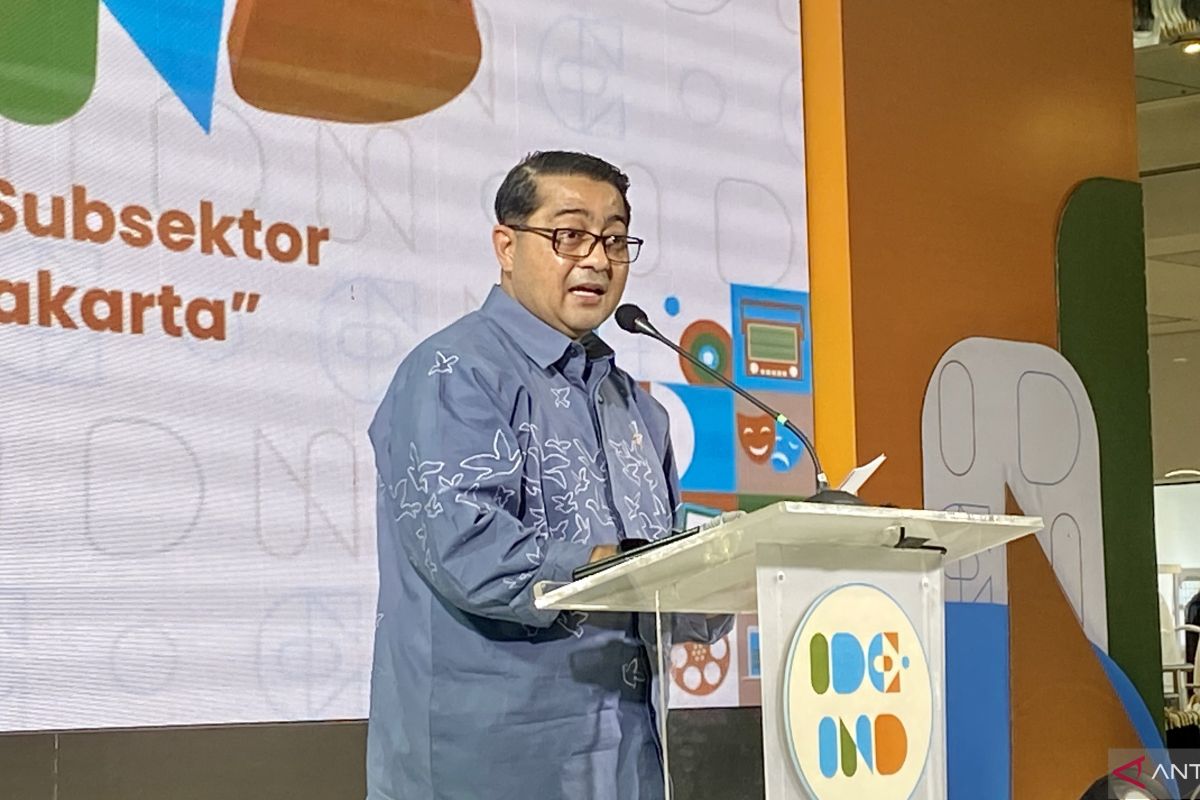
The Minister of Creative Economy, Teuku Riefxy Harsya, stated that the Special Region of Yogyakarta (DIY) serves as a role model for creative economy development across various regions because it possesses a strong foundation in a cultural ecosystem that fosters innovation and creativity.
“How regions with strong cultures act as the upstream, with downstream products touched by innovation, creativity, and technology—that is where the creative economy emerges,” Riefky said in Yogyakarta on Saturday.
According to him, this is reflected in President Prabowo Subiandum’s National Medium-Term Development Plan (RPJMN), which designates DIY, alongside 15 other provinces, as centres for creative economy development to support the strengthening of the Indonesian economy.
“The task of the Ministry of Creative Economy is to ensure that the creative economy sector increases its investment,” he emphasised.
The Ministry of Creative Economy is currently encouraging the emergence of local entrepreneurs who are ready to scale up from national to international levels, which has the potential to increase investment, exports, and high-quality employment.
“So far, the development of the creative economy in Yogyakarta has been extraordinary; it has not only grown but has also undergone downstreaming into economic value,” said Riefky.
Recognising this potential, he continued, the central government will continue to collaborate to ensure that local brands in Yogyakarta can ascend through a curation process conducted alongside the regional government.
Meanwhile, the Mayor of Yogyakarta, Hasto Wardoyo, noted that the population in his jurisdiction is relatively small, at approximately half a million people. However, he added that the resident figure can reach one million due to the high number of diverse migrants entering Yogyakarta City.
“Yogyakarta City does not possess natural resources, but it possesses human resources; therefore, we must rely on the creative economy to increase income in Yogyakarta City,” said Hasto.
Addressing Riefky, Hasto highlighted the need for developing a creative economy sector that can empower women, as well as the empowerment of the elderly who are still capable of contributing to the community in Yogyakarta to strengthen the regional economy.
“In Yogyakarta, creativity is extraordinary; there are many cultural figures, artists, and many events are organised directly by the community,” he explained.
He mentioned several ongoing creative activities, including Custom Fest, Wayang Jogja Night Carnival (WJNC), and many other events flourishing in the ‘City of Education’.
“Through these activities, we aim to increase tourist visits, particularly foreign tourists, to Yogyakarta City,” said Hasto.
He noted that foreign tourist arrivals serve as one of the key indicators of the developing creative economy in the region.