
Minister: PM-AAS System Boosts Rice Productivity to 12.4 Tonnes per Hectare
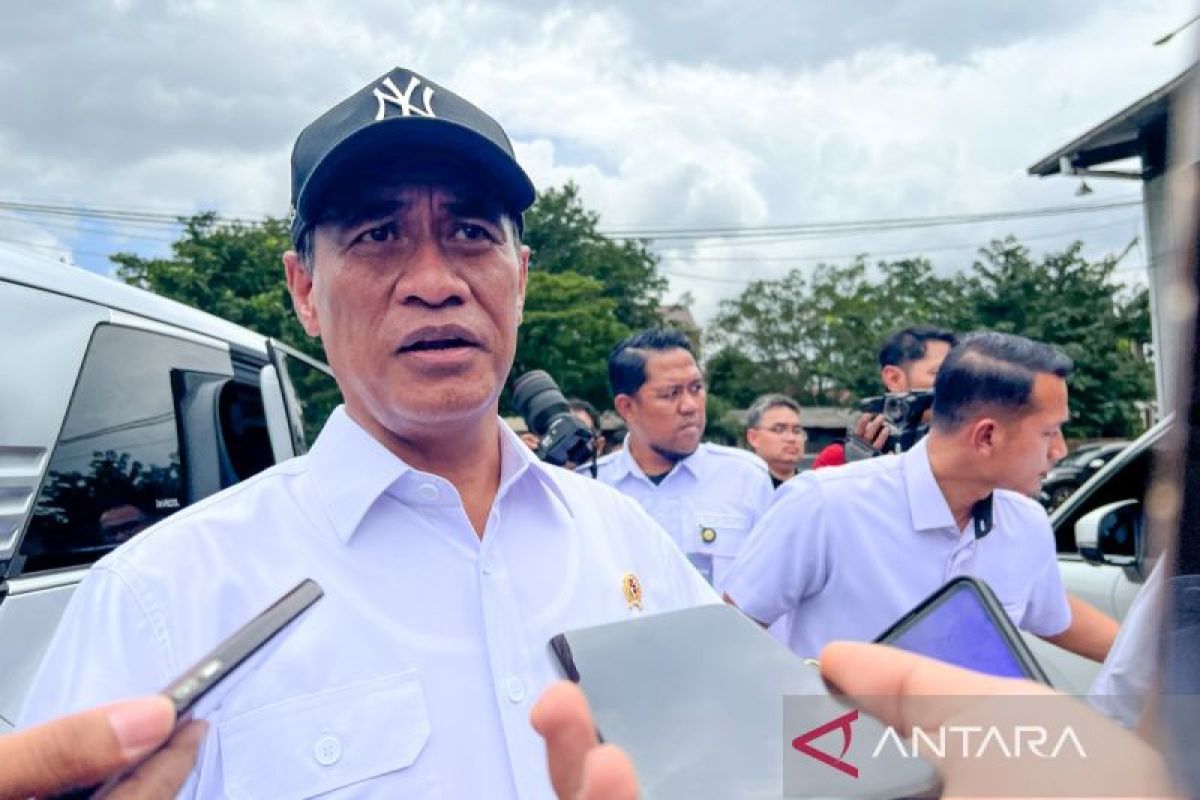
Agriculture Minister Andi Amran Sulaiman stated that the Modern Agriculture-Advanced Agriculture System (PM-AAS) is capable of increasing rice productivity to 12.4 tonnes per hectare to strengthen sustainable food self-sufficiency. Amran said the PM-AAS system, which boosts rice productivity nearly threefold, will reinforce national food self-sufficiency on a sustainable basis. “The model developed can increase rice productivity by almost three times, from an average of around 5–6 tonnes to a minimum of 10 tonnes and even reaching 12.4 tonnes per hectare,” the Minister said in a statement in Jakarta on Saturday. PM-AAS is the result of nearly two years of research and field testing. The model combines the experience of implementing the jajar legowo planting system in Indonesia with modern cultivation practices studied in Arkansas, United States, and precision agriculture technology developed in China. “After two years of research and field testing, I am increasingly confident that this method can significantly increase production. The target is a minimum of 10 tonnes per hectare, and field tests have already reached 12.4 tonnes per hectare,” the Minister revealed while leading a hybrid Coordination Meeting on the Expansion of PM-AAS Implementation. He added that PM-AAS is built on three main principles: optimising plant photosynthesis through spacing arrangements using 4:1 and 6:1 planting systems, increasing plant population through continuous planting, and implementing precision agriculture to make input usage more efficient. “If this is applied correctly, fertiliser and water costs can be much more efficient. Inputs decrease, but yields increase. That is where farmers’ profits will rise,” the Minister explained. According to him, increasing productivity is key to maintaining sustainable rice self-sufficiency while realising President Prabowo Subianto’s directive to make Indonesia a world food barn. He further explained that while the jajar legowo system improves photosynthesis, the continuous planting system increases plant population from the usual 300,000 to 360,000 clumps per hectare to 800,000 up to one million clumps. With a population increase of nearly three times, a production increase of a similar magnitude is very logical. The Minister emphasised that production increases must be accompanied by cost efficiency so that farmers’ profits also rise. With productivity reaching around 10 tonnes per hectare and more efficient production costs, farmers have the potential to earn significantly higher incomes compared to conventional cultivation methods. He noted that once farmers experience substantial profits, they will plant independently without needing constant encouragement. The Minister stressed that the success of PM-AAS will be a key indicator in overseeing the national production increase programme. The government is also preparing seed support and technical assistance to make it easier for farmers to adopt the method. All agricultural field extension officers are asked to be the spearhead of assistance so that the method can be widely applied and produce real production increases. “All extension officers must move. We will focus on irrigated areas first. We will oversee PM-AAS until 2029 so that it truly increases national production,” he asserted. The Minister is optimistic that the productivity increase through PM-AAS will not only strengthen food self-sufficiency but also create a production surplus that can support future exports. “Now our target is not just self-sufficiency. Self-sufficiency must be maintained sustainably. After that, we think about how to increase exports and make Indonesia the world’s food barn, as directed by the President,” he said. Previously, at the XVII National Farmers and Fishermen’s Week in Gorontalo, President Prabowo Subianto expressed his admiration for the PM-AAS technology and the technology exhibition area. He stated that technological advances in the agricultural sector are a strong asset for Indonesia to realise its ambition of becoming a world food barn. “There are so many innovations, new technologies, and new techniques developed by the agricultural community under the leadership of the Minister of Agriculture. The results, in my opinion, are very revolutionary,” said President Prabowo.