
Minister Pigai: Free Nutritious Meal Programme Is Not a Human Rights Violation, But a Fulfilment of Basic Rights
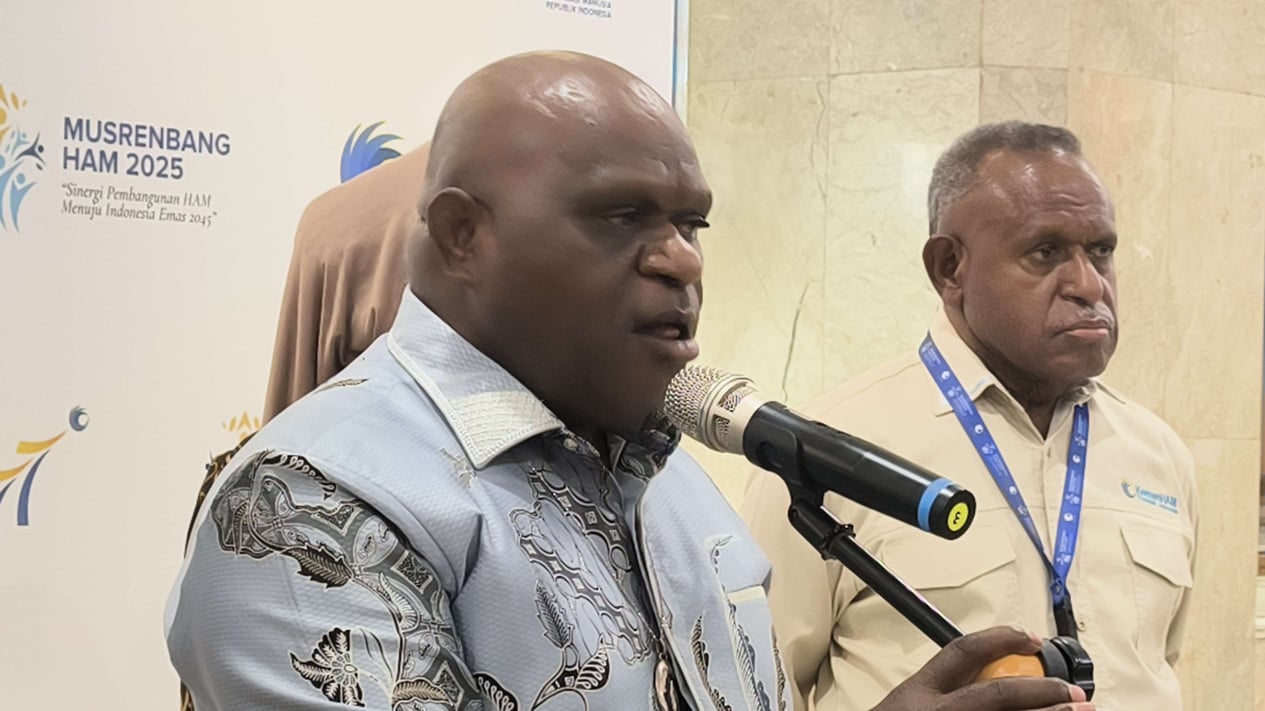
Minister of Human Rights Natalius Pigai has emphasised that the Free Nutritious Meal (MBG) programme is part of the state’s effort to fulfil the basic rights of its citizens. He stated that the programme cannot simply be categorised as a human rights violation merely because there are still various evaluations in its implementation.
The statement was made in response to various views that have emerged regarding the implementation of the MBG programme, including recommendations for improvement previously submitted by the National Commission on Human Rights (Komnas HAM).
According to Pigai, the MBG programme must be seen as part of a development process aimed at improving the quality of life of the community, especially vulnerable groups who need nutritional support from the state.
Pigai explained that the programme is directly linked to the fulfilment of several basic rights recognised in international human rights instruments. These rights include the right to food, the right to adequate health services, and the right to quality education.
He therefore considers the MBG programme to be a development instrument designed to accelerate the achievement of human rights standards in Indonesia.
“In the context of human rights, MBG is an ongoing process of achieving fulfilment of human rights needs. Moreover, the MBG programme is a development process in realising the achievement of human rights standards. Therefore, it should not be called a human rights violation,” Pigai said in a statement on Tuesday, 16 June 2026.
He explained that the implementation of an ongoing programme must be understood as part of a process of fulfilling community rights that is continuously being improved over time.
While defending the existence of the MBG programme, Pigai stressed that evaluation of its implementation remains important. He noted that periodic monitoring and assessment are needed to ensure the programme’s objectives are optimally achieved.
However, he cautioned that criticism and evaluation should not immediately lead to accusations of human rights violations without a strong basis.
“But, that a need for evaluative assessment exists, yes. Do not suddenly call it a human rights violation. You do not understand the principles of human rights if you speak carelessly like that,” he said.