
Minister PANRB: ZI Development Drives Anti-Corruption Culture and Excellent Public Service
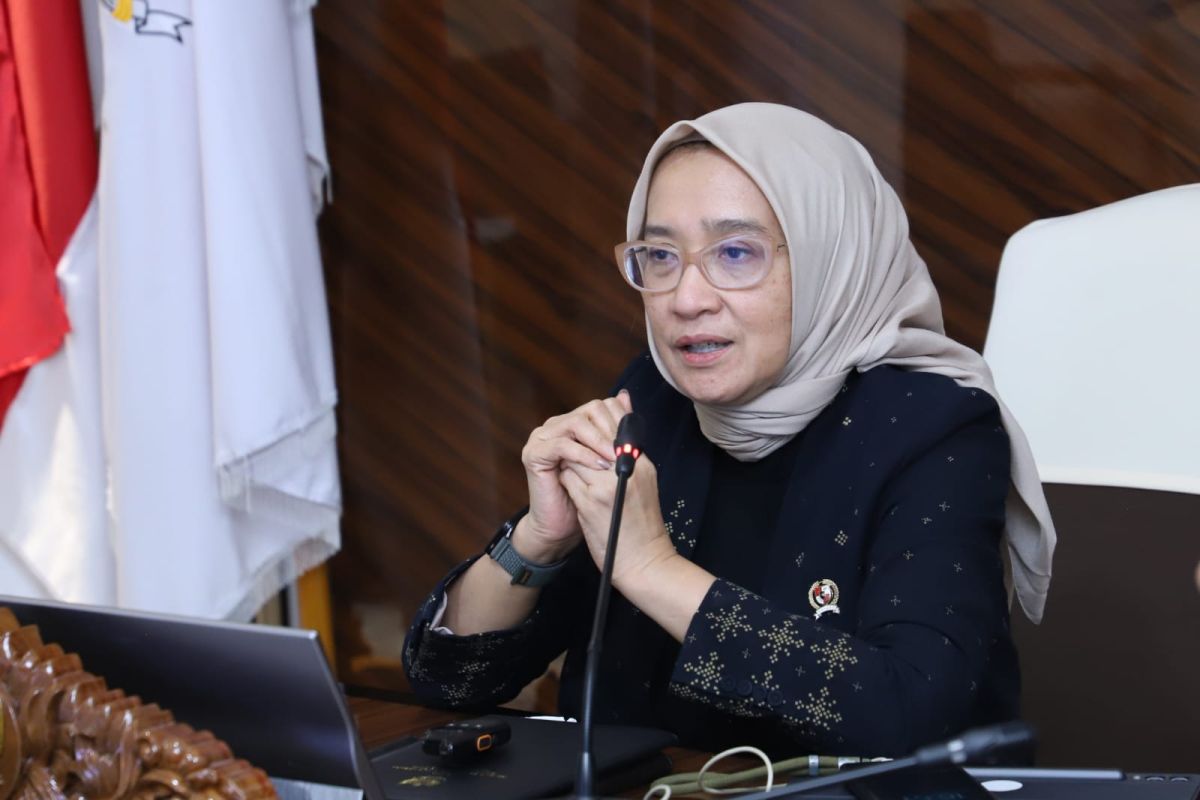
Jakarta – The Ministry of State Apparatus Empowerment and Bureaucratic Reform (PANRB) has officially closed the proposal period for the 2026 Integrity Zone (ZI) programme, marking the start of evaluations for the Corruption-Free Area (WBK) and Clean and Serving Bureaucracy Area (WBBM) predicates. Minister of PANRB Rini Widyantini stressed that ZI development must focus on real impact on public services, not just the fulfilment of administrative documents.
She stated that building an Integrity Zone is a crucial first step to ensure bureaucratic reform stays on the right track. Success is not determined by a single factor but by consistency in managing comprehensive change. “Integrity must become a culture, delivering a direct impact to the community,” she said in Jakarta on Wednesday (8/7/2026).
Minister Rini explained that the implementation rests on three main foundations. The first is strengthening integrity through corruption, collusion, and nepotism prevention, as well as reinforcing internal controls. The second is improving the quality of public services to be fast, easy, and meet public expectations. The third is strengthening capability and performance accountability so that every work unit can manage performance effectively, measurably, and with a results-oriented approach.
“These three aspects must run in balance, because integrity without good performance will not provide optimal benefits, while high performance without integrity will not generate sustainable public trust,” she explained.
The Minister noted that ZI development aligns with the President and Vice President’s directives to build a clean, effective, and trustworthy bureaucracy, especially in the current digital era which demands high speed and accountability. The WBK/WBBM predicate is awarded to work units whose leadership and staff have a strong commitment to making real, systematic, and sustainable changes.
“The more work units that achieve WBK/WBBM status, the stronger the bureaucratic culture that is clean from corruption and oriented towards excellent public service. This commitment must be a shared spirit, from leadership to all staff,” she said.
It is recorded that more than 16,734 work units from various central and regional government agencies have proposed for the ZI predicate. Of these, 2,983 work units have successfully achieved the WBK predicate and 430 work units have reached the highest WBBM predicate. The commitment and seriousness of government agencies in achieving ZI development is tangible proof that ZI is not just about a title, but a long journey to change the root culture of work. Integrity is not only proven by administrative evidence, but by real performance that will become a future investment in realising a capable bureaucracy.