
Minister PANRB: KPK's 'Integritous ASN' Programme Strengthens Anti-Corruption Values
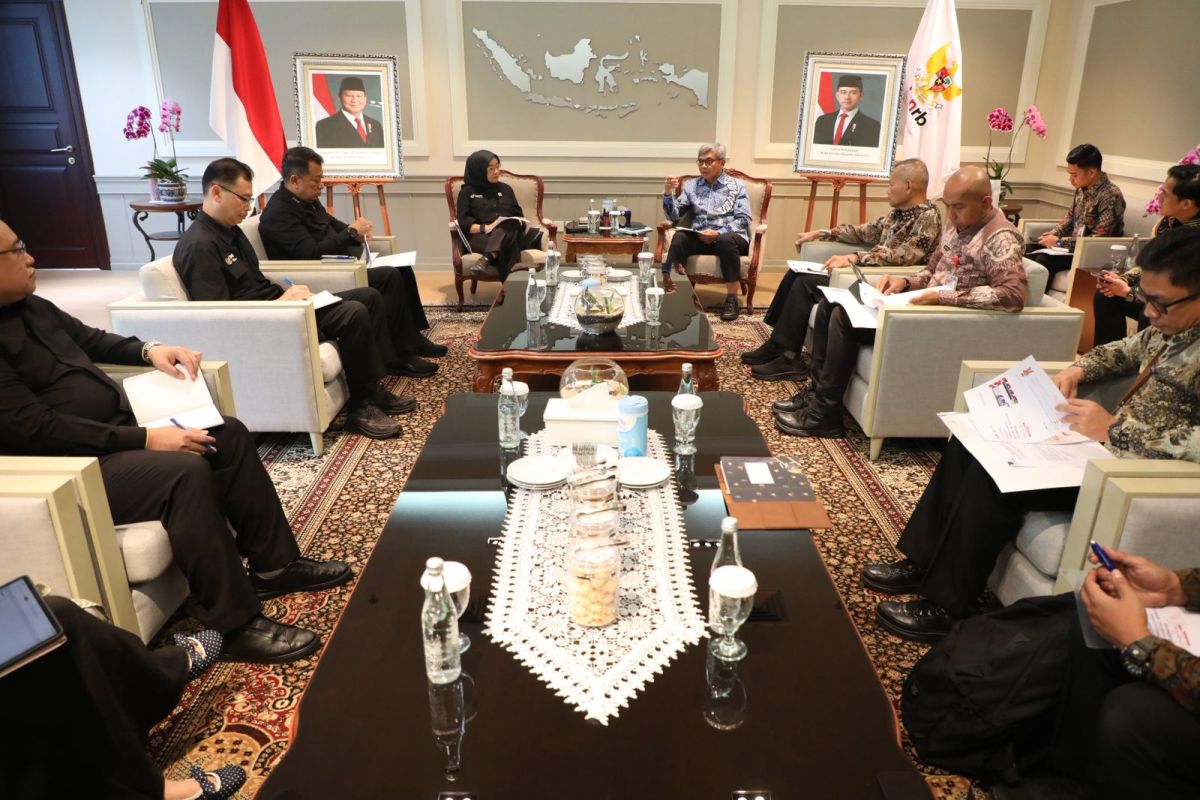
The Minister of Administrative and Bureaucratic Reform (PANRB), Rini Widyantini, has expressed appreciation for the Corruption Eradication Commission (KPK) for developing the ‘Integrity-Based Civil Servant’ (ASN Berintegritas) programme. The initiative aims to align anti-corruption values, ensure adherence to regulations, and prioritise public interest.
Rini stated that the Integrity-Based Civil Servant programme is in line with President Prabowo’s directives regarding the enhancement of civil servant competence.
“The KPK’s initiative in developing the Integrity-Based Civil Servant Programme deserves appreciation as an effort to strengthen the culture of integrity among civil servants through a digital learning approach that reaches a wide range of personnel,” Rini said in a statement in Jakarta on Wednesday.
She shared these remarks during a meeting with the Chairman of the KPK, Setyo Budiyanto, at the Ministry of PANRB Office in Jakarta on Tuesday.
The programme is highly relevant to the agenda of civil servant competency development and the strengthening of the ‘BerAKHLAK’ core values. This development utilises digital learning designed to reach all civil servants. The KPK has established nine anti-corruption values—honesty, care, independence, discipline, responsibility, hard work, simplicity, bravery, and fairness—which every civil servant is required to internalise.
Rini praised the digitalisation of this competency development. Out of approximately 6.7 million civil servants, 79 per cent are stationed in regional areas. A digital learning approach serves as an effective option to expand the reach of competency development.
The programme supports Indonesia’s efforts to meet the Organisation for Economic Co-operation and Development (OECD) standards in the field of Public Integrity and Anti-Corruption (PIAC), particularly regarding capacity building and integrity education for public officials.
She noted that the programme requires further discussion regarding its national implementation scheme, which targets around 6.7 million civil servants. This scheme necessitates system readiness, monitoring mechanisms, and integrated participant data management.
Furthermore, integration into the InaGOV platform needs further discussion with the National Institute of Public Administration (LAN) and the National Civil Service Agency (BKN).
“This programme has the potential to become a supporting instrument in the effort to build a civil service that is both integral and adaptive to the challenges of government governance,” Rini added.
During the meeting, the Chairman of the KPK, Setyo Budiyanto, explained that civil servants represent the frontline of an upright bureaucracy. The programme utilises digital modules and has been implemented through collaboration between the KPK and relevant ministries and agencies.
“The hope, of course, is to foster anti-corruption behaviour. The KPK is encouraging an anti-corruption movement based on family values, forming a culture of honesty that begins within the household environment of civil servants,” said Setyo.