
Minister Opens Liangkobori Festival, Urges Protection of Muna's Prehistoric Heritage
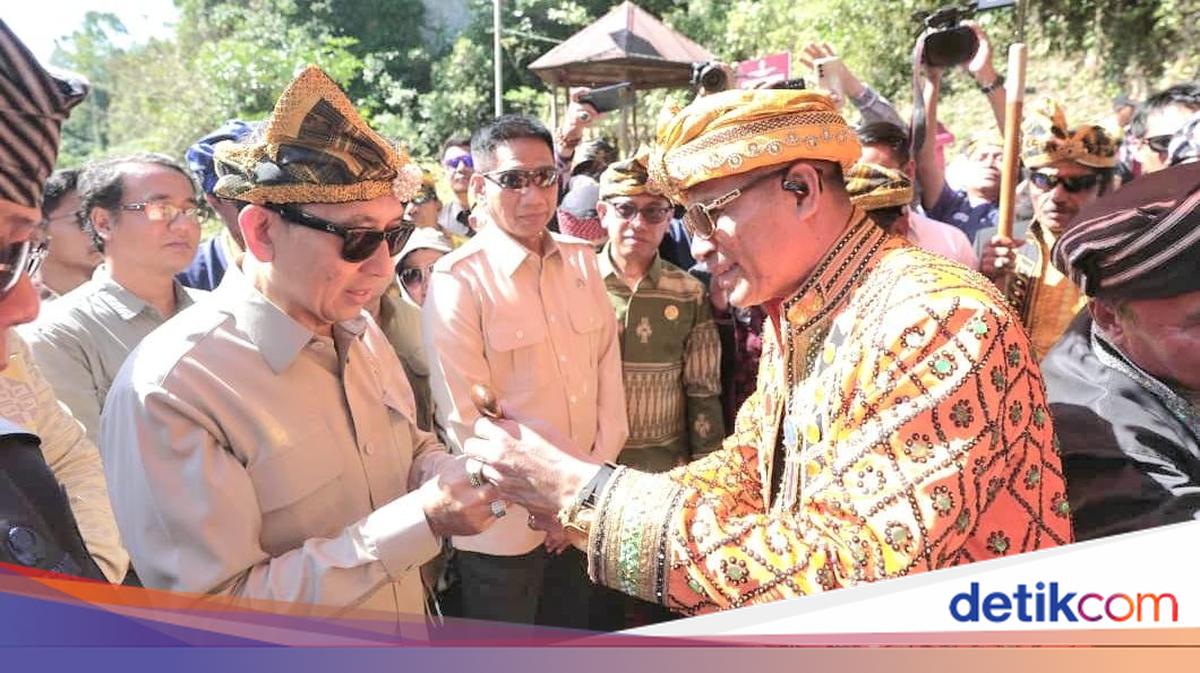
Minister of Culture of the Republic of Indonesia, Fadli Zon, opened the fourth Liangkobori Festival 2026 in Liangkobori Village, Muna Regency, Southeast Sulawesi. The festival serves as a momentum to strengthen the protection, preservation and utilisation of Muna’s prehistoric cultural heritage.
The Liangkobori Festival is an annual cultural event introducing the rich cultural heritage of Muna Regency through traditional art performances, cultural exhibitions, traditional games, local cuisine, and various educational activities about the Liangkobori prehistoric area.
The festival also serves as a space for collaboration between government, communities, academics and cultural groups to strengthen heritage preservation whilst promoting sustainable culture-based tourism development.
Fadli expressed appreciation to the Southeast Sulawesi Provincial Government, Muna Regency Government, Liangkobori Village Government, customary leaders, researchers, cultural communities and residents who have guarded the Liangkobori area.
In his view, the Liangkobori Festival is not merely an annual cultural event, but a space to introduce one of the important milestones in the history of human civilisation to the Indonesian people and the world.
“Through this Liangkobori Festival, we are reopening an important chapter in human history. Not only the history of Sulawesi or Indonesia, but also of the world,” he said in a written statement on Monday (13 July 2026).
The festival’s staging also aligns with the publication of research findings designating the rock paintings in Metanduno Cave as the oldest in the world in the non-figurative art category, at least 67,800 years old.
According to Fadli, the publication of the Metanduno Cave research findings, released by researchers last January, is an important achievement for Indonesia as it strengthens the archipelago’s position on the map of early human civilisation. The finding also opens opportunities for further research into human origins, the development of rock art, and cultural evolution in the region.
He stressed that the finding must be followed by strong protection efforts through collaboration between government, researchers, academics and communities. According to him, protecting the area is not only aimed at preserving the authenticity of the site, but also at making it a source of knowledge, education, cultural diplomacy, and sustainable cultural economic development.
During a visit to Metanduno Cave, Fadli emphasised the importance of safeguarding the prehistoric site as part of the nation’s cultural wealth.
“This is a cultural asset, a cultural wealth that we must protect. This finding shows that tens of thousands of years ago there was already life and civilisation in this area. Therefore, we must secure, preserve and conserve this site as part of Indonesia’s cultural wealth,” he asserted.
Fadli also encouraged accelerating the mapping of all rock art panels in the Muna area through digital documentation and collaborative research with various institutions, so that every finding is well documented and becomes the basis for strengthening conservation efforts and scientific development.
The Liangkobori area is known as one of Indonesia’s most important karst landscapes, containing hundreds of prehistoric rock art panels. Based on research by BRIN, Griffith University in Australia, the Cultural Preservation Office and international researchers, the hand stencils in Metanduno Cave have been designated as the world’s oldest rock paintings in the non-figurative art category, with a minimum age of 67,800 years.
At the close of his remarks, Fadli affirmed that the development of the Liangkobori area must prioritise site protection, be based on scientific studies, and involve local communities as the primary guardians of cultural heritage.
The government will also push to accelerate the designation of the area as a national cultural reserve, strengthen documentation and research, and prepare steps towards nominating Muna’s prehistoric rock art area as a UNESCO World Heritage Site.
“Liangkobori and Metanduno Cave must become part of efforts to advance Indonesian culture amid world civilisation. This heritage is the nation’s pride that we must protect and introduce to the world,” he said.
The Governor of Southeast Sulawesi, Major General (Ret.) Andi Sumangerukka, said the Liangkobori Festival reflects synergy between government and society in safeguarding the region’s cultural heritage as part of the nation’s cultural wealth.
According to him, the Liangkobori area holds important historical value and has the potential to become a driver of culture-based tourism in Southeast Sulawesi.
“The Liangkobori Festival is not just a cultural attraction, but a form of respect and our commitment to safeguarding cultural heritage so that it remains sustainable for future generations,” said Andi.
On the same occasion, the Regent of Muna, Bachrun, affirmed the Muna Regency Government’s efforts to develop the Liangkobori area as a research centre, cultural education hub and cultural tourism destination that continues to prioritise conservation principles.
“We hope Liangkobori can develop into a research centre, a cultural education centre, and at the same time a cultural tourism destination that benefits the community whilst maintaining the preservation of its sites,” he concluded.
Source: jawawa.id (https://jawawa.id/newsitem/minister-opens-liangkobori-festival-urges-protection-of-munas-prehistoric-heritage-1783911140)
Originally published by detikcom (https://news.detik.com/berita/d-8571316/buka-festival-liangkobori-menbud-ajak-lindungi-warisan-prasejarah-muna), translated from Indonesian