
Minister of Women's Empowerment and Child Protection emphasises Child Justice Act to tackle child violence in Singkawang
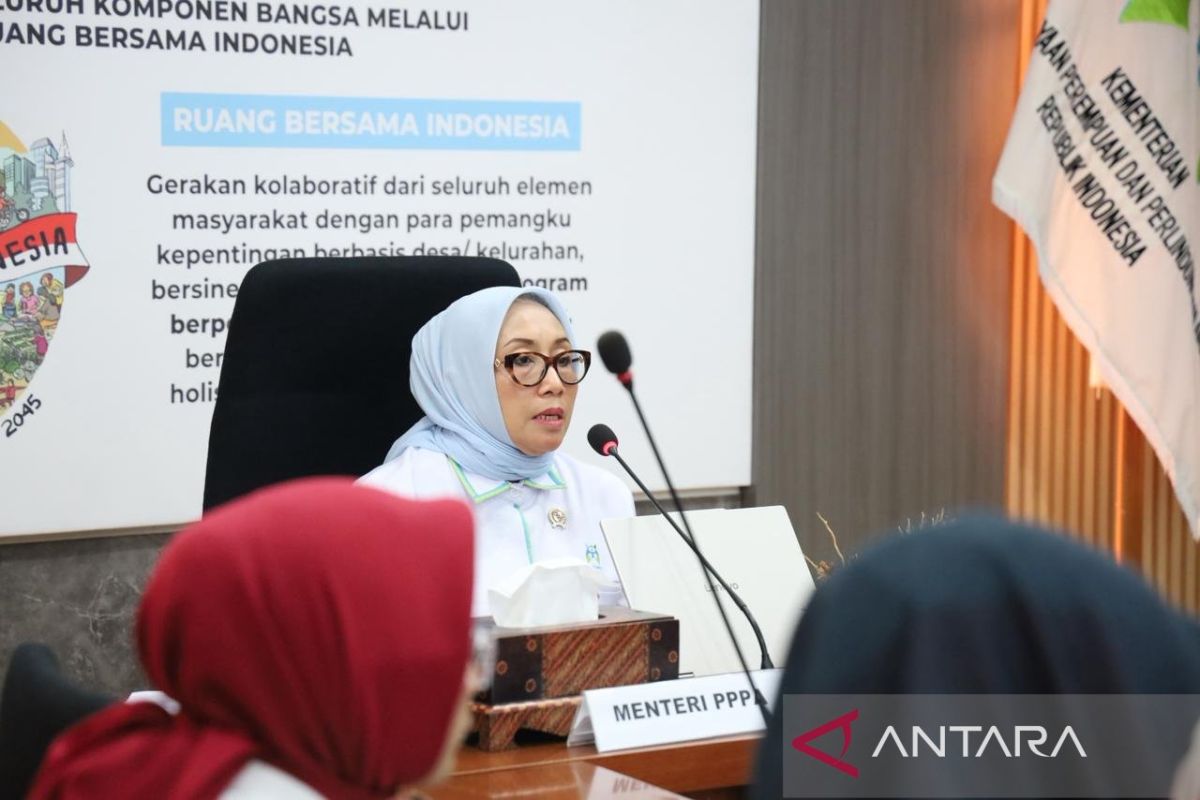
Jakarta (ANTARA) - Minister of Women’s Empowerment and Child Protection (PPPA) Arifah Fauzi emphasised the enforcement of Act No. 11 of 2012 on the Child Criminal Justice System (Child Justice Act) in handling the legal case of planned violence involving children in Singkawang, West Kalimantan.
‘Legal firmness through Act No. 11 of 2012 on the Child Criminal Justice System must be enforced fairly without compromise to safeguard the moral future of the nation’s children,’ said Arifah Fauzi in Jakarta on Wednesday.
The case, allegedly stemming from a digital game, involves a 12-year-old child identified as W as the victim of violence, and a 14-year-old child identified as TS as the perpetrator or child in conflict with the law (CCL).
In handling the case, Arifah Fauzi explained that the perpetrator TS is not detained in adult prisons to respect children’s rights to continue their education.
However, police investigations, inquiries, and documentation proceed as usual, with certain criteria resolved through the children’s court as a consequence of criminal acts.
She stated that TS’s actions constitute child violence meeting the criteria for layered criminal charges under Article 80(2) of Act No. 35 of 2014 on Child Protection and/or Articles 466(2) and 467(2) of Act No. 1 of 2023 on the Criminal Code (KUHP).
Given the premeditated nature of the act and severe injuries to the victim, TS faces a maximum seven-year prison sentence.
‘If there are concerns TS may flee, destroy evidence, or reoffend, detention under Article 32 of the Child Justice Act is possible. However, detention is a last resort and only applicable if TS is aged 14 or older. Detainees must be held in a Temporary Child Placement Agency (LPAS),’ said Arifah Fauzi.