
Minister of Religious Affairs: Prevention of Sexual Violence Cannot Rely on Regulation Alone; Cultural Change Is Needed
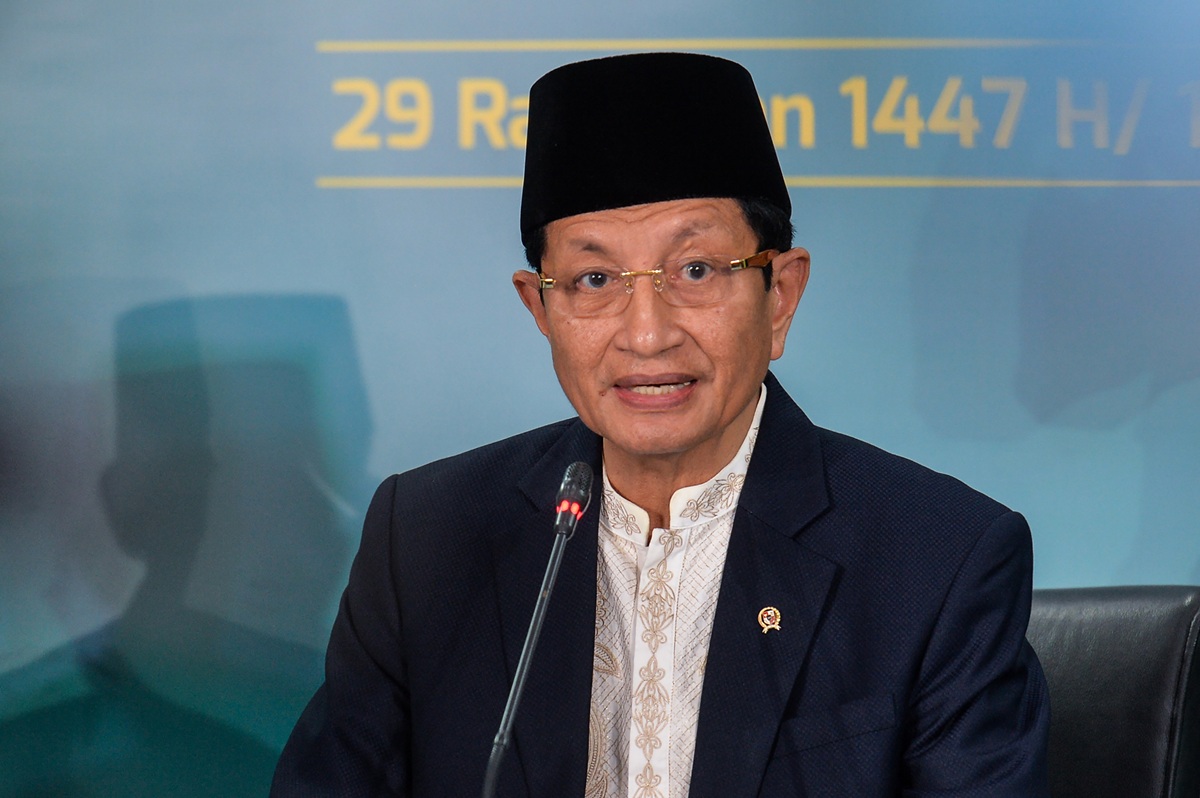
Minister Nasaruddin Umar, Indonesia’s Minister of Religious Affairs (Menag), has asserted that preventing sexual violence in pesantren cannot be achieved solely through regulatory approaches. He emphasised that while legal measures are important, they are not sufficient; a cultural approach and a shift in public perception are essential to break the cycle of violence against women and children. The minister spoke during the National Meeting of Pondok Pesantren on the theme ‘Gerakan Pesantren Anti Kekerasan Seksual’ in Jakarta on Monday, 18 May.
‘From our experience, violence against women is not solved by regulation alone. A legal approach is important, but not enough. There must be cultural approaches and changes in public perception,’ he said.
Nasaruddin noted that Indonesia already has various rules protecting women and children, but their existence has not been fully effective in reducing sexual violence. Prevention must reach the root causes, including power imbalances in society. He explained that uneven power relations arise when one party is dominant while the other is weak and vulnerable, creating gaps for sexual violence. ‘We must transform these imbalanced power relations. A more equal society generally experiences lower violence against women. Therefore our culture must increasingly respect the dignity of women and children,’ he added.
In the context of religious education, the minister stressed that pesantren must be safe spaces for students. He said pesantren play a strategic role in shaping morals, character, and religious understanding that upholds human dignity. ‘Pesantren must be the best place to shape knowledge, morals, and character. There is therefore no space for sexual violence within pesantren,’ he asserted.
Nasaruddin also urged pesantren to become pioneers of a more just and egalitarian social culture. He believes pesantren have moral authority to build environments that protect vulnerable groups, especially women and children. He argued that prevention must be implemented through education, mentorship, supervision, and strengthening religious understanding that upholds human dignity. In addition, pesantren governance must be strengthened so that interactions among guardians, teachers, mentors, and santri are safe and dignified. ‘What is regulated concerns not only the santri but also the mentors, caregivers, and all parties interacting within the pesantren. There must be clear provisions so that the protection of santri can be implemented in reality,’ he explained.
The Ministry of Religious Affairs (Kemenag) continues to strengthen pesantren governance through improvements in institutional standards, data systems, and mentoring. The steps aim to ensure pesantren truly function as orderly, healthy, and safe Islamic educational institutions. He also drew attention to several cases of sexual violence that used the pesantren label, even though the institutions were not officially registered with Kemenag. ‘Many use the name pesantren, yet they are not registered with the Ministry of Religious Affairs. Therefore, definitions and standards of pesantren must be clarified. Society also needs to know which pesantren are official, registered, and meet the requirements,’ he said.
In addition to institutional strengthening, Nasaruddin highlighted the importance of oversight mechanisms, mentoring, and safe reporting channels for santri. He cautioned that the oversight system must respect the privacy and dignity of santri, and that protection must not give rise to other violations.
Nasaruddin hopes the National Meeting of Pondok Pesantren can be a momentum to strengthen the movement of pesantren anti-sexual-violence in Indonesia. He invited all elements of pesantren and society to work together to create a safe and civil educational environment. ‘This is not only the government’s task. It is a shared responsibility. Pesantren must be a pioneer in building a culture that protects women, children, and all santri from violence,’ he concluded. (Z-2)
The National Amil Zakat Agency (Baznas) launched the Santripreneur Cluster Fashion 2026 under the theme Brand Santri Shaking Up the Industry as part of efforts to promote economic independence.
The culture of high respect for the kyai figure often makes victims afraid or hesitant to report.
Kemenag opens opportunities for pesantren to manage the Free Nutritious Meal Kitchen (MBG) independently. The MBG program is designed to be flexible and capable of driving the pesantren economy.
Pesantren play a multifaceted and vital role, ranging from centres of religious education and character formation to contributions to the local economy.
Komnas PA strongly condemns the widespread sexual violence in educational environments and urges maximum punishment, including chemical castration for perpetrators.
Sexual violence in educational institutions, including pesantren, is no longer an anomaly.
A case of alleged sexual violence against a disabled girl in Kapanewon Patuk, Gunungkidul Regency.
Klaten Police arrested two perpetrators of sexual intercourse with a minor; one of them is a stepfather. The other victim was eight months pregnant.
UI criminology expert Josias Simon highlights a recurring pattern of sexual violence in pesantren resulting from closed environments and weak oversight.
Menteri PPPA Arifah Fauzi asks universities to strengthen the Satgas PPKPT to prevent sexual violence on campuses and protect victims.