
Minister of Public Works targets completion of Asbuton regulations within two weeks
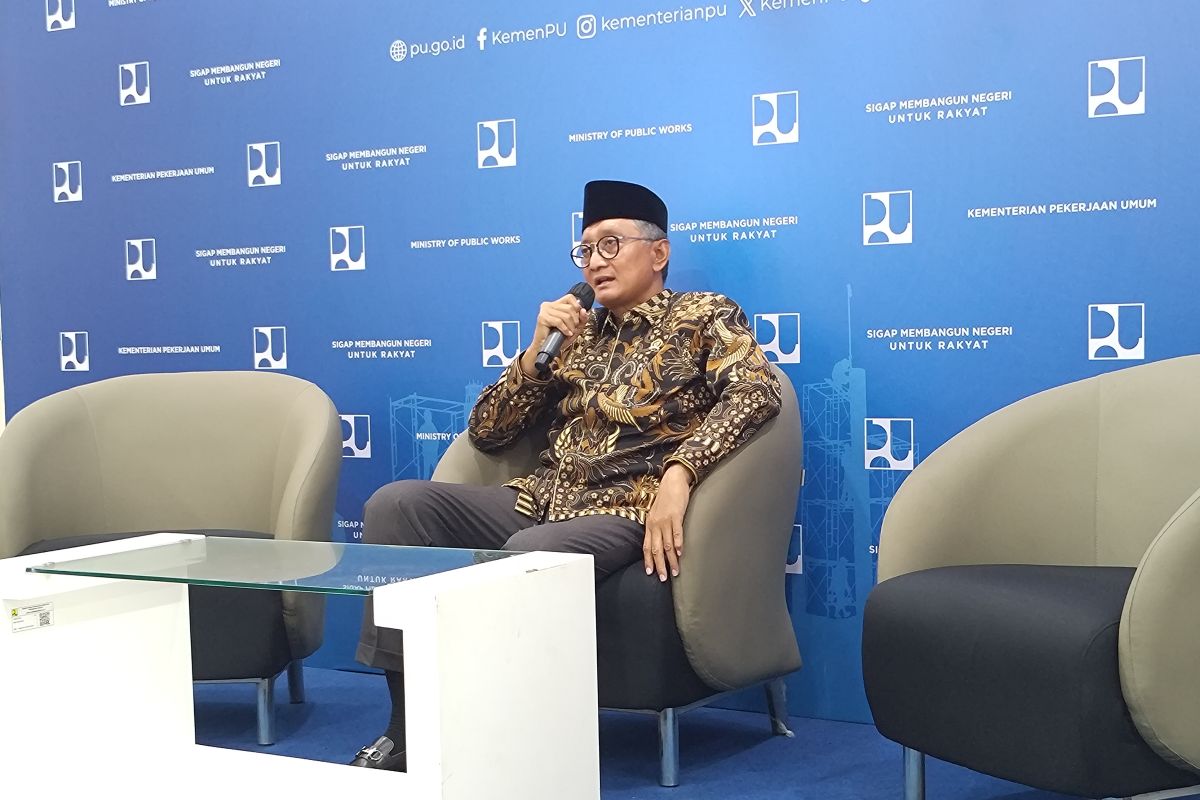
Jakarta (ANTARA) - Minister of Public Works Dody Hanggodo is targeting the completion of the harmonisation of regulations for Buton asphalt (Asbuton) within one to two weeks to support the utilisation of domestic raw materials.
Dody stated that the regulations are needed as a legal framework so that the use of Asbuton can be immediately implemented in road infrastructure development projects.
“The harmonisation process is underway, hopefully it will be completed within a week to two weeks,” Dody said when met in Jakarta on Friday.
He explained that the use of Asbuton is one of the government’s efforts to reduce dependence on high asphalt imports.
“We start with A30, 30 percent must be Asbuton because I am confident it can be easily implemented,” he said.
Dody added that the implementation of this scheme is expected to gradually reduce asphalt imports while strengthening domestic industry self-sufficiency.
He said this approach refers to the government’s experience in implementing fuel blending policies such as B10, B20, and B30.
“Indeed, the asphalt mixing plant requires some special additions, but the modifications are not too significant,” he revealed.
Dody emphasised that the government still needs a strong legal basis before the widespread implementation of Asbuton use.
He stated that this is important to ensure the use runs according to applicable standards and provisions.
The current national asphalt requirement is around 1 million tonnes per year and is projected to increase to 1.5 million tonnes, while around 80 percent still relies on imported petroleum-based asphalt.
Dody mentioned that increasing the utilisation of Asbuton has the potential to save state foreign exchange of up to around Rp4 trillion and increase tax revenue by nearly Rp2 trillion.
In addition, the development of the Asbuton industry is also estimated to create added economic value of up to around Rp23 trillion while strengthening the domestic supply chain.
“The important thing is that we have the legal framework first so it can be immediately implemented,” Dody said.