
Minister of Population and Family Development visits Baduy community to expand reach of Free Nutritious Meals Programme for 3B
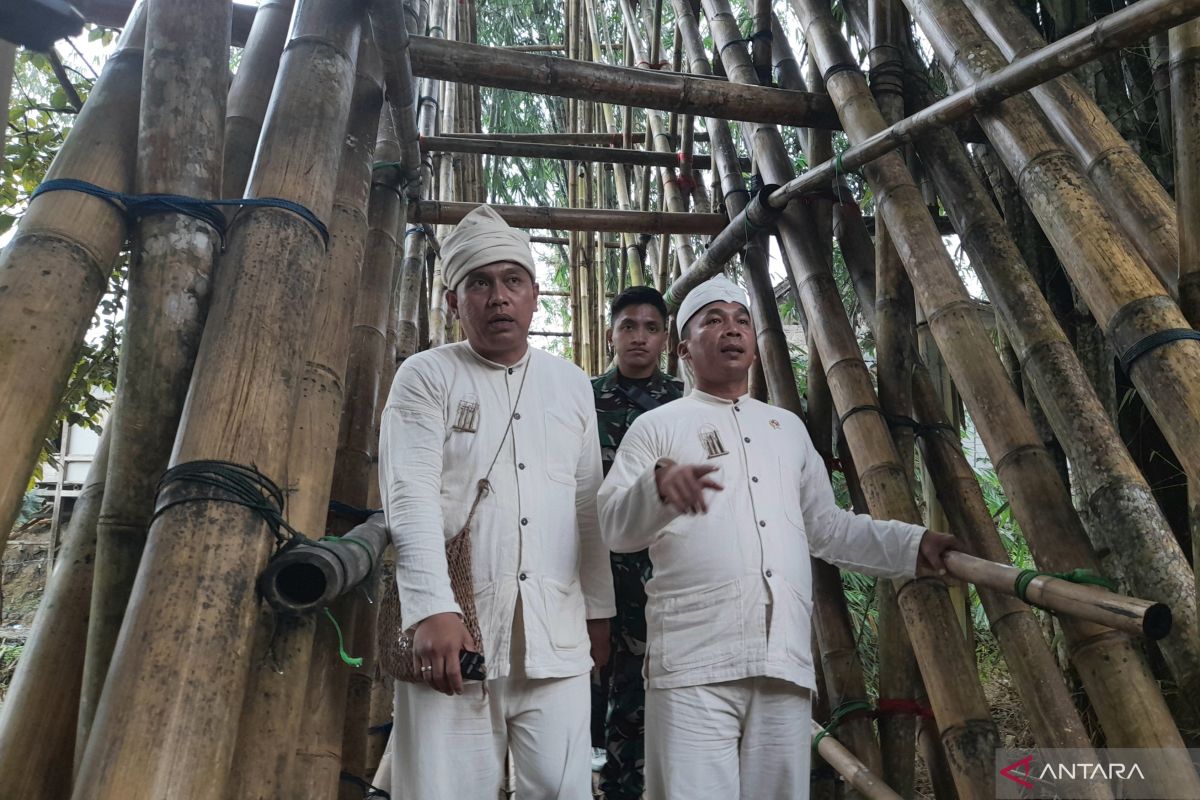
Lebak, Banten - The Minister of Population and Family Development (Mendukbangga)/Head of BKKBN, Wihaji, visited the Baduy indigenous community in Kanekes Village, Lebak, Banten, as part of efforts to expand the reach of the Free Nutritious Meals (MBG) programme for pregnant women, breastfeeding mothers, and toddlers (3B). “This visit aims to implement and ensure the execution of the President’s programme, namely MBG 3B, particularly through the ‘Sapa Budaya’ approach in the Lebak region,” he said on Thursday. Wihaji acknowledged the challenges in the area, given that the Baduy indigenous community still adheres strongly to their culture and traditional customs. “A check will be conducted in the Baduy Dalam area as part of the state’s commitment to ensure that all citizens, including indigenous communities, receive government services,” he stated. Nevertheless, the Minister of Population and Family Development/Head of BKKBN emphasised that the government continues to strive to be present and provide the best services to all communities. The Ministry of Population and Family Development/BKKBN has deployed Family Assistance Teams (TPK) numbering around 597,287 teams across Indonesia, with one of their additional tasks being the distribution of the MBG 3B programme. Wihaji is also scheduled to hold direct dialogues with the Baduy Luar and Baduy Dalam communities to understand their needs, so that national priority programmes can reach them. “The MBG 3B programme is a national priority initiative focused on improving nutrition for vulnerable groups, with a collaborative approach and special attention to areas and communities that have not yet been reached,” he explained. “The benefits of the programme are numerous, from maintaining the health of pregnant and breastfeeding mothers, supporting toddler growth and development, to providing optimal nutrition from an early age,” said Achmad. However, according to him, implementing it in indigenous communities like the Baduy requires a special approach due to their traditional character. “The government continues to strive to provide the right touch so that the programme can be accepted by all communities,” he said.