
Minister of Industry Explains Layoff Issue at Cimahi Garment Factory
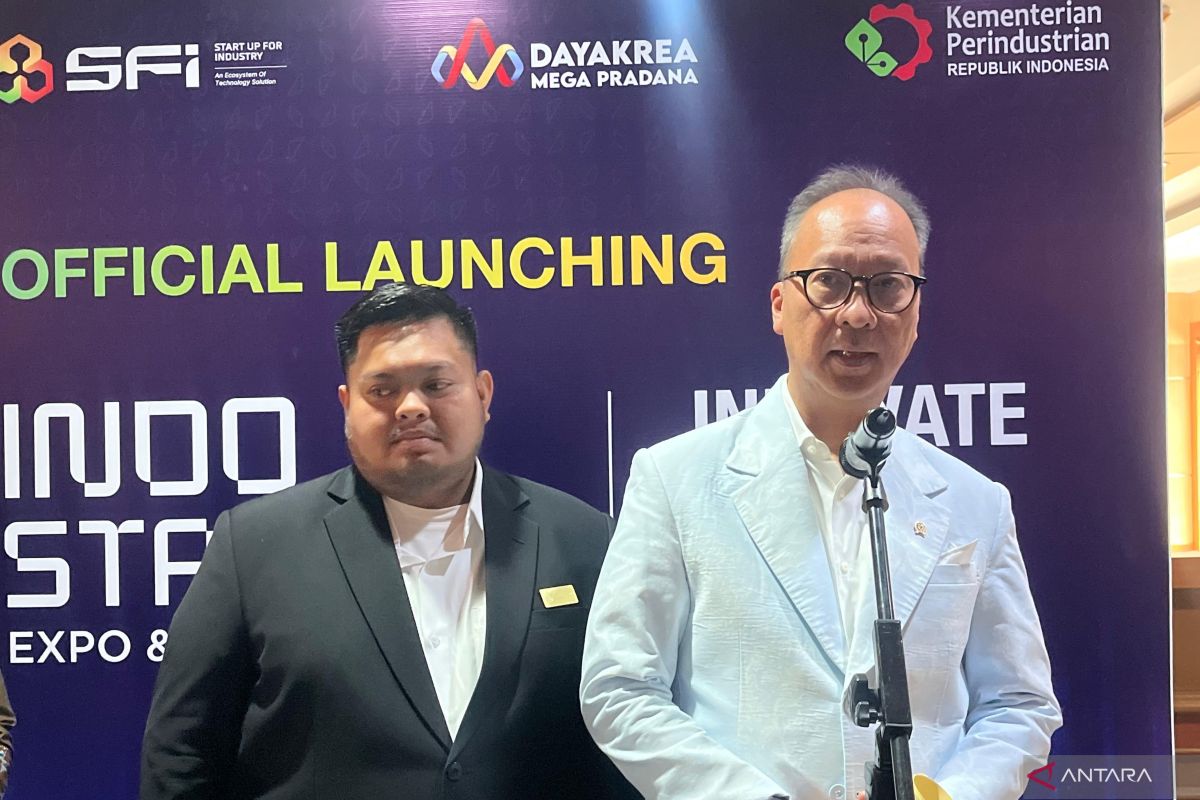
Minister of Industry Agus Gumiwang Kartasasmita has provided an explanation regarding the issue of layoffs affecting 178 workers at PT Namnam Fashion Industries in Cimahi, West Java. Speaking in Jakarta on Thursday, Minister Agus explained that PT Namnam Fashion Industries has three production facilities, two of which are currently deactivated due to a business adjustment by the company. “They have three production facilities, two are deactivated. Why? Because in their balance sheet, their income is visibly in continuous decline,” he said. According to him, this condition is likely related to market capacity and the absorption of the company’s products, particularly in export markets. “So it may be related to market capacity, the absorption of their products in export markets. Thus, they had to make adjustments,” he stated. Agus said the government continues to monitor the production facility that is still operational. “One is still up and running, so we are monitoring that,” he said. On the other hand, Minister Agus stressed that the manufacturing sector as a whole is still demonstrating its ability to create jobs, as reflected in data from the Central Statistics Agency (BPS) which recorded growth in employment absorption in the manufacturing sector. “But if we talk about employment, we see that the report or release from BPS yesterday clearly stated that the manufacturing sector recorded a 0.09 percent growth in employment, creating 0.09 percent new jobs. The percentage looks small, but we must also understand that the size is large,” Agus explained. Based on BPS data, the processing industry sector contributed 13.53 percent to national employment absorption out of a total working population reaching 148.19 million people. Previously, West Java Governor Dedi Mulyadi responded to the layoffs of 178 workers at PT Namnam Fashion Industries in Cimahi by urging workers to be willing to relocate following a shift in the map of labour-intensive industrial areas in West Java. The former Purwakarta Regent assessed that the garment industry has a unique character that is not as permanent as other capital-intensive industries, causing it to tend to relocate factories when production costs and the District/City Minimum Wage in an area are no longer competitive. “Garment is always a problem. The sector is usually labour-intensive. Labour-intensive companies are generally like that, they move easily,” said Dedi Mulyadi in Cimahi on Tuesday. Dedi explained that the movement of labour-intensive factories that have reached their break-even point to areas with lower labour costs is a common natural cycle in the garment industry sector.