
Minister of Housing: Housing Program Credit Realisation for Supply Side Reaches Rp6.94 Trillion
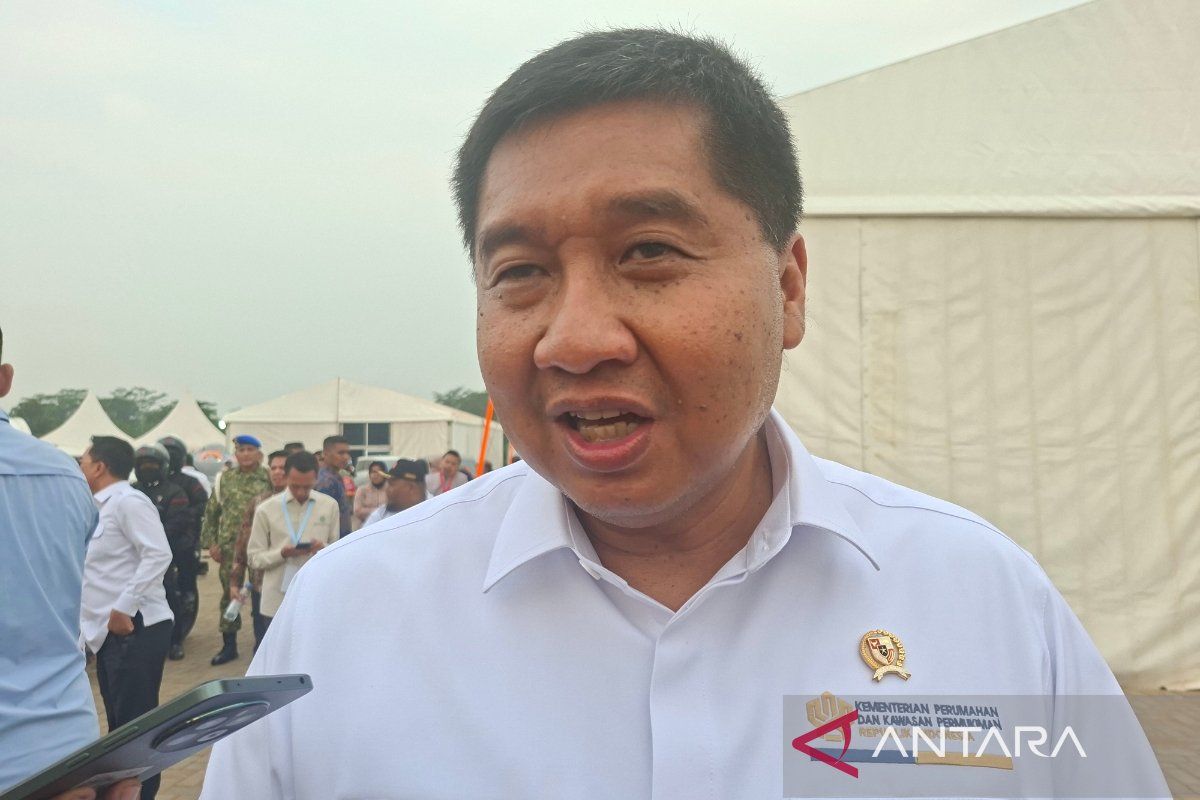
The Minister of Housing and Residential Areas (PKP), Maruarar Sirait, stated that the realisation of the Housing Program Credit (KPP), also known as the Housing KUR, for the supply side reached Rp6.94 trillion as of 29 July 2026. This total includes 1,360 debtors for building material stores, 1,103 for developers, and 299 for contractors.
On the demand side, the KPP realisation was recorded at Rp14.87 trillion, involving a total of 96,196 debtors benefiting from the housing KUR. Maruarar, often referred to as Ara, noted that the programme is a significant driver of the economy. The five provinces with the highest realisation are Central Java (Rp4.96 trillion), East Java (Rp3.65 trillion), West Java (Rp3.44 trillion), South Sulawesi (Rp991 billion), and Bali (Rp809 billion).
Minister Maruarar Sirait emphasised that the government is continuously strengthening access to housing finance by increasing the KPP ceiling for 2026 from Rp36 trillion to Rp50 trillion. This policy is a response to high public enthusiasm and aims to strengthen the national housing sector ecosystem. The Minister added that the government intends to provide financing solutions that are easier, faster, and more affordable to prevent the public from relying on high-interest informal financing.
The KPP is implemented based on the Regulation of the Coordinating Minister for Economic Affairs Number 13 of 2025 and the Regulation of the Minister of PKP Number 13 of 2025. The KPP serves as working capital or investment credit provided to micro, small, and medium enterprises (MSMEs), whether individuals or business entities, to support priority programmes in the housing sector.
The Secretary-General of the Ministry of PKP, Didyk Choiroel, explained the requirements for MSMEs and the public to access the KPP. Applicants must be Indonesian citizens or legal entities, possess a productive and viable business, have a tax identification number (NPWP), and a Business Identification Number (NIB). Businesses must have been operating for at least six months and must have no negative information from trade, community, or bank checks via SLIK or LPIP. Furthermore, applicants must not be receiving other KUR or KPP programmes simultaneously and must provide collateral.
Didyk also noted that KPP is allocated to MSMEs based on business capital: micro-enterprises with capital up to Rp1 billion, small enterprises with capital between Rp1 billion and Rp5 billion, and medium enterprises with capital between Rp5 billion and Rp10 billion (excluding land and buildings used for the business).
Source: jawawa.id (https://jawawa.id/newsitem/minister-of-housing-housing-program-credit-realisation-for-supply-side-reaches-rp6-94-trillion-1785466691)
Originally published by Antara (Indonesian) (https://www.antaranews.com/berita/5673741/menteri-pkp-realisasi-kpp-untuk-sisi-suplai-capai-rp694-triliun), translated from Indonesian