
Minister of Culture: Indonesia Ready to Play a Role in WIPO Cultural Sector
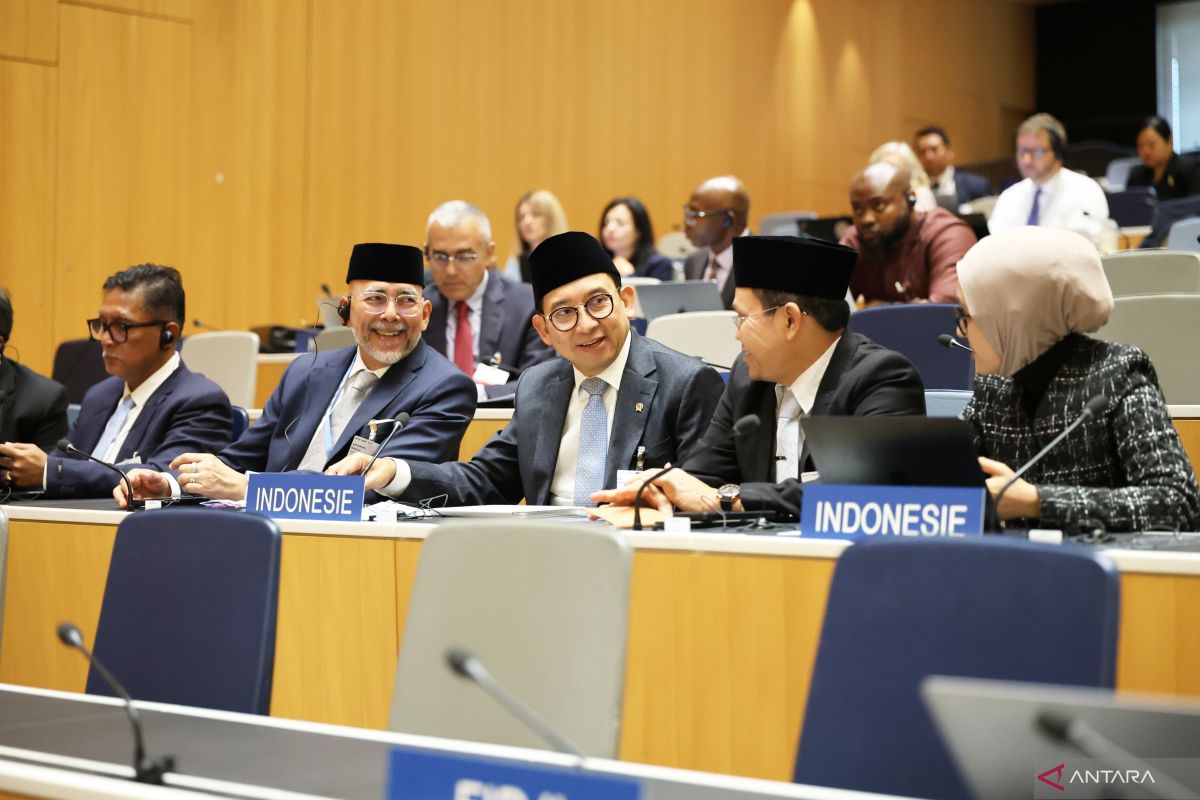
Jakarta (ANTARA) - Minister of Culture Fadli Zon has stated Indonesia’s readiness to continue playing an active and constructive role in the World Intellectual Property Organization (WIPO) negotiation processes, including sharing national experiences in the documentation, protection, utilisation, and intergenerational inheritance of culture.
“Indonesia is ready to share concrete evidence and national experience in documentation, security, preservation, and intergenerational transmission to contribute to the resolution of various issues within the WQIPO negotiation texts,” the Minister of Culture stated in a briefing received in Jakarta on Thursday.
During the 53rd session of the WIPO Intergovernmental Committee on Intellectual Property, Genetic Resources, Traditional Knowledge and Folklore (IGC on GR-TKF) in Geneva, Switzerland, attended by 93 countries, he also explained that for Indonesia, discussions on intellectual property cannot be separated from a cultural perspective.
“Traditional knowledge and traditional cultural expressions are not merely intellectual property. They contain the identity, knowledge, history, and collective memory of a community; therefore, their protection must place the community as the primary owners and guardians of such cultural heritage, while ensuring that the benefits return to the people,” he said.
The presence of the Ministry of Culture reinforces the position of culture as one of the foundations of national development and Indonesian diplomacy on the global stage.
By the end of 2025, Indonesia has identified 2,727 Indonesian Intangible Cultural Heritages existing in various forms and continuously passed down by communities across the archipelago, ranging from the Saman Dance in Aceh, Batik in Java, weaving traditions in various regions including Kalimantan and East Nusa Tenggara, Kolintang in North Sulawesi, to Noken in Papua.
According to him, this diversity demonstrates that Indonesian culture is not static. Culture continues to live, develop, be inherited, and adapt through its supporting communities.
Indonesia is encouraging international frameworks to provide certainty regarding consent, attribution or recognition of the originating communities, as well as equitable benefit-sharing.
Stronger protection is also required for knowledge or cultural expressions that possess sacred, secret, or restricted characters, in accordance with the values, norms, and social systems applicable within their owner communities.
In the WIPO negotiations, Indonesia emphasised four important aspects that need to be reflected in the international legal framework: the purpose of protection must guarantee cultural sustainability, community empowerment, prevention of misuse, and fair benefit-sharing.
Regarding the eligibility of protection, where the development, adaptation, documentation, or recognition of a tradition should not automatically sever the cultural connection with its community of origin; regarding beneficiaries, indigenous peoples and local communities must be placed as the primary beneficiaries of the protection system; and regarding the scope of protection.
Indonesia also brought a cultural economy perspective to the discussions at WIPO.
According to Fadli, the economic value arising from culture must continue to respect the origins, moral rights, and the interests of the communities that have guarded that knowledge from generation to generation.
Source: jawawa.id (https://jawawa.id/newsitem/minister-of-culture-indonesia-ready-to-play-a-role-in-wipo-cultural-sector-1789637360)
Originally published by Antara (Indonesian) (https://www.antaranews.com/berita/5745456/menbud-indonesia-siap-berperan-dalam-wipo-sektor-kebudayaan), translated from Indonesian