
Minister of Basic and Secondary Education Reveals Rp 2.6 Trillion Realisation for School Revitalisation in 2026
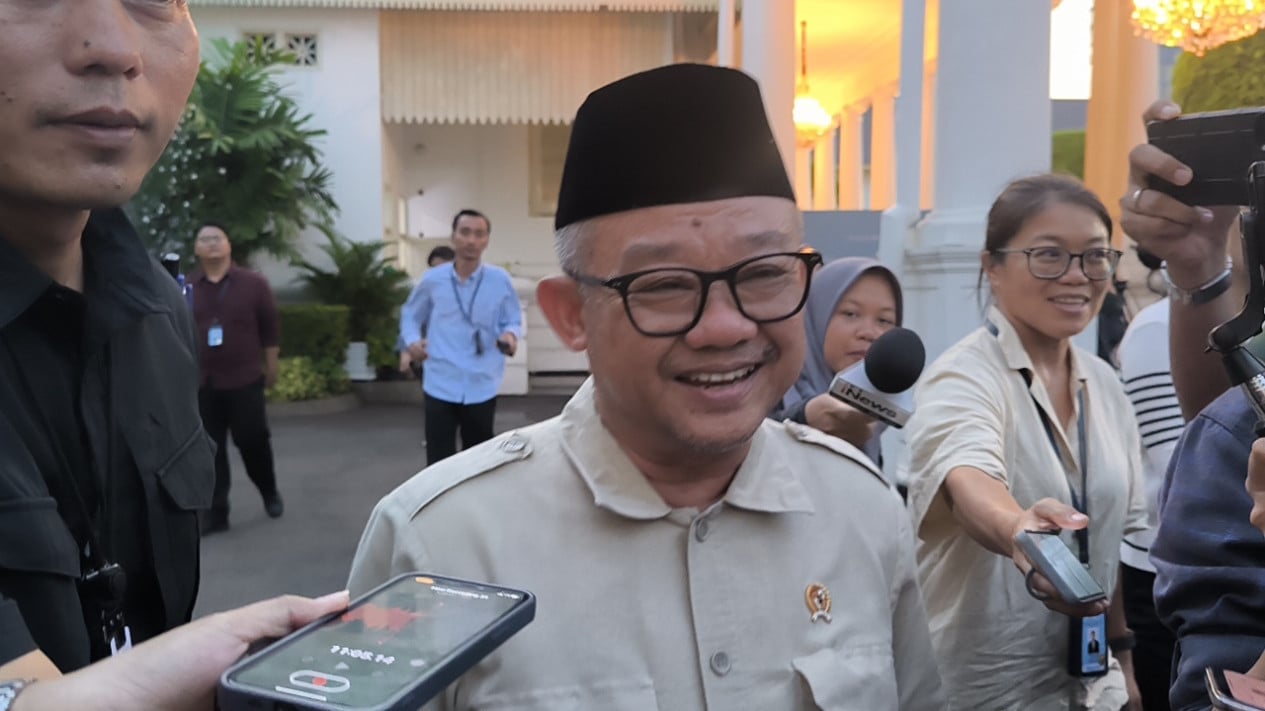
Jakarta – The Minister of Basic and Secondary Education (Mendikdasmen), Abdul Mu’ti, stated that the realisation of the educational unit revitalisation and digitalisation programme for the 2026 fiscal year has reached Rp 2.6 trillion.
Mu’ti explained that the government has allocated Rp 14 trillion for revitalisation in 2026, covering 11,744 educational units across Indonesia. His ministry has completed cooperation agreements with 4,838 educational units, with aid distribution reaching 3,408 schools.
“The total funds we have disbursed for 2026 amount to Rp 2.6 trillion,” Mu’ti said during a press conference on the Update of the Best Quick Results Programme (PHTC) at the Government Communication Agency office in Jakarta on Wednesday.
He detailed that the school revitalisation programme prioritises areas needing improvements in educational facilities and infrastructure, including North Sulawesi, Madura, and East Nusa Tenggara (NTT), which are included in the government aid scheme.
In addition to revitalisation, the government is accelerating the education digitalisation programme. Throughout 2025, the Ministry of Basic and Secondary Education has provided digital learning devices such as interactive whiteboards, laptops, and external hard drives to hundreds of thousands of schools.
The digitalisation programme has been implemented in 288,865 educational units across Indonesia. The government is also ensuring basic infrastructure support so that digital devices can be optimally utilised.
A total of 8,152 educational units without internet access now have connectivity services, including through the utilisation of Starlink satellite services for remote areas.
“What if the area has no internet? Well, the solution is we assist with providing internet channels; with Starlink, we are building it for 8,152 schools,” Mu’ti explained.
The government is also addressing electricity availability challenges in underdeveloped areas. The Ministry of Basic and Secondary Education is collaborating with PT PLN to provide electricity access to 2,389 educational units that previously lacked power supply.
Mu’ti emphasised that these revitalisation and digitalisation steps are part of the government’s strategy to equalise national education quality, particularly for schools in remote and underdeveloped regions.