
Minister of Basic and Secondary Education Emphasises Multi-Stakeholder Mutual Cooperation to Strengthen National Education
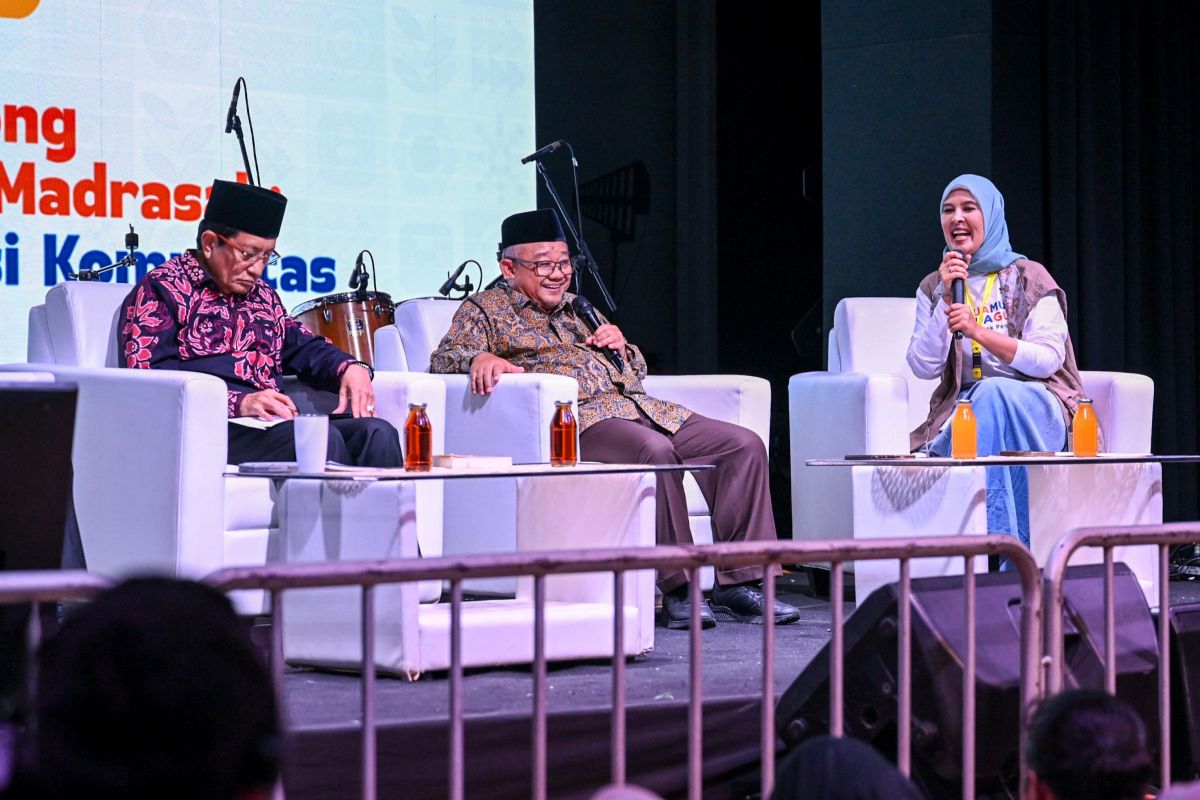
In the context of education, public participation becomes an important factor in complementing the limitations of resources possessed by the government. Jakarta (ANTARA) - Minister of Basic and Secondary Education (Mendikdasmen) Abdul Mu’ti emphasised that the spirit of multi-stakeholder mutual cooperation is key to accelerating the transformation of national education (diknas). In a written statement in Jakarta on Monday, Mendikdasmen Mu’ti said that synergy across ministries and public participation plays a role in realising inclusive, high-quality, and equitable education for all the nation’s children, particularly in supporting the Revitalisation of Educational Units and Learning Digitalisation programmes across all educational units. On that occasion, Mu’ti expressed that the increasingly complex challenges in education cannot be resolved by the Government alone. He affirmed the need for strong collaboration between the government, society, and various stakeholders to ensure equitable and high-quality educational services. He explained that the Revitalisation of Educational Units programme not only aims to improve the physical condition of schools but also to create a safe and comfortable learning environment as the foundation for effective learning. “A good learning environment will encourage a more enjoyable and meaningful learning process. Therefore, the development of physical infrastructure must go hand in hand with strengthening the quality of learning and students’ character,” he said. In addition to revitalisation, Mu’ti also emphasised the importance of accelerating Learning Digitalisation through the utilisation of technology such as interactive flat panels (IFP), which allow learning materials to be delivered in a more interactive and easily understood manner. Furthermore, he highlighted that in the era of open information, managing public participation also presents its own challenges. Therefore, he continued, the ability to sift between constructive aspirations and irrelevant information is required. “We must be able to distinguish between voice and noise. Openness remains important, but it must be accompanied by sharpness in understanding real needs in the field,” he said.