
Minister of Basic and Secondary Education Emphasises Ecological Intelligence and Culture of Safe Schools
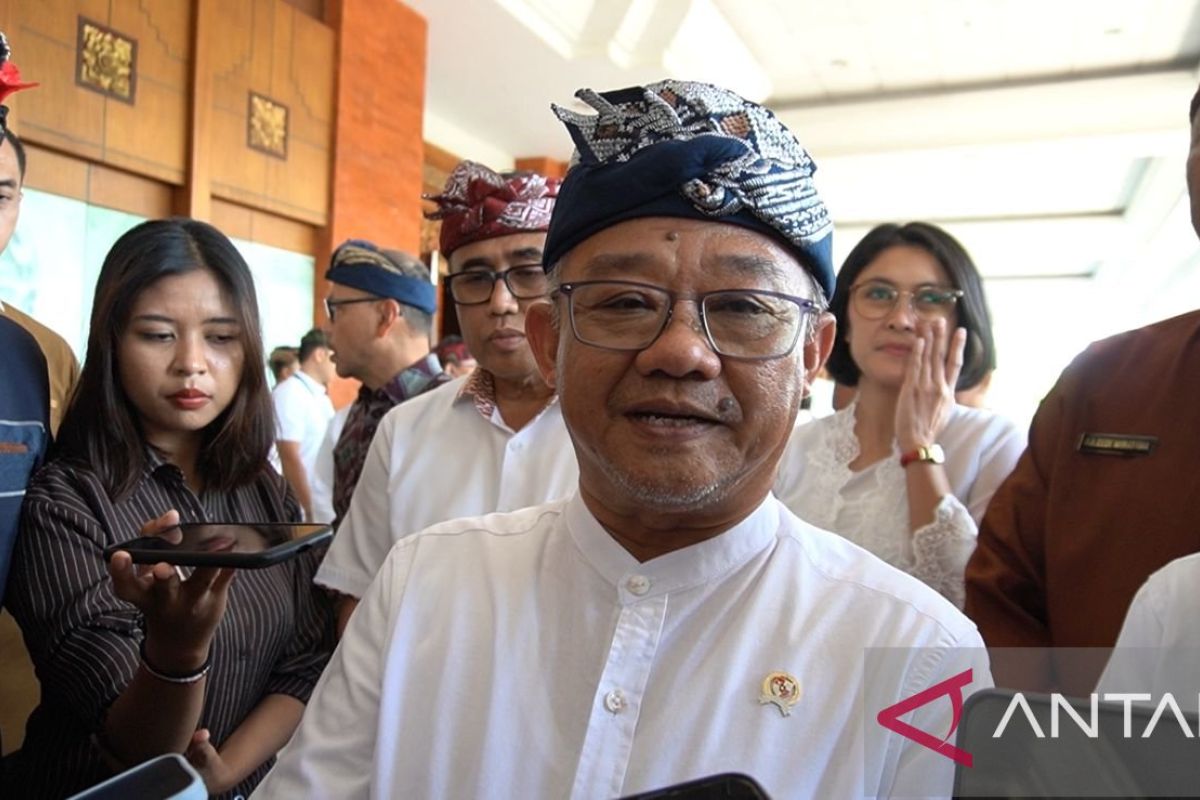
Denpasar (ANTARA) - The Minister of Basic and Secondary Education (Mendikdasmen), Abdul Mu’ti, emphasised the importance of building ecological intelligence and a culture of safe schools as part of forming the character of Indonesia’s young generation. During his attendance at the Denpasar Education Festival 2026 in Denpasar, Bali, on Thursday, he stated that ecological intelligence must be realised through habits of choosing environmentally friendly products and behaviours that support nature conservation. “We must have intelligence in selecting the products we use and avoid using products that damage the environment,” he said. According to him, the movement for a safe, healthy, clean, and beautiful living culture launched by President Prabowo Subianto has broad dimensions, as it not only concerns environmental protection policies but also the development of societal culture. He assessed that cultural factors are an important element in education because education is essentially a process of building the character and culture of the nation. In that context, he affirmed that a culture of safe schools must be realised by eliminating all forms of bullying in the educational environment. “Building a safe culture is a culture in which we respect one another,” he stated. According to him, the attitude of respect should not be interpreted merely as tolerance, but must go beyond tolerance with care for the conditions of others. He said that tolerance interpreted narrowly can lead to apathetic attitudes and indifference to the difficulties experienced by others. Abdul Mu’ti also touched on human tendencies that are individualistic or selfish, as well as tendencies to prioritise certain groups or groupish behaviours that have the potential to neglect broader interests. Therefore, according to him, building a safe culture in schools and society requires an open attitude, a broad chest, and the ability to accept differences. He viewed Bali as an example of a region that is able to maintain tolerance and a sense of security for both residents and newcomers. In addition to safe schools, he emphasised the importance of building healthy schools that align with the Ministry of Health’s programmes. According to him, the concept of health is not only related to physical health, but also to spiritual and social health. He quoted the World Health Organization (WHO) definition, which describes health as a state of complete physical, mental, and social well-being. Abdul Mu’ti said that mental health issues are now a major challenge for modern society, so the issue of well-being has become a global concern. Therefore, he called on all parties to jointly realise an educational environment that is healthy, safe, and supports the mental health of students.