
Minister Meutya Hafid Calls on Youth to Build a Safe and Ethical Digital Space
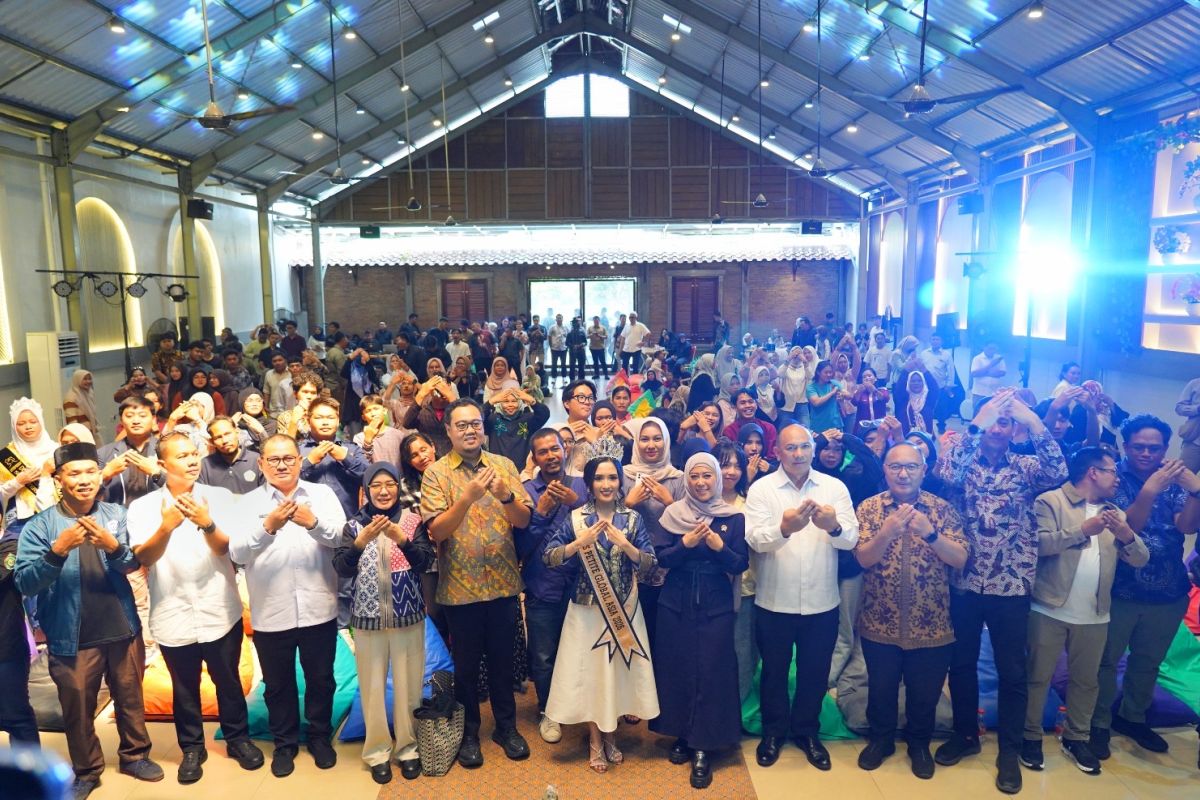
Minister of Communication and Digital Affairs Meutya Hafid has called on young people to help build a digital space that is safe, ethical, and free from hoaxes, hate speech, and cybercrime. “We ask for your help. How can you become ambassadors for a better internet, a healthier internet,” she said at the Digital Crime Awareness Community Gathering in Medan, North Sumatra, on Saturday. In a government press statement, she conveyed that the government cannot work alone in safeguarding the digital space, given that most internet usage activities are conducted personally in private settings. Therefore, she invited young people to become healthy internet ambassadors who play an active role in efforts to create a safe and ethical digital space. Meutya noted that the digital space is increasingly filled with content containing insults, hatred, slander, and false information. This condition, according to her, is inseparable from the workings of digital platform algorithms that tend to promote content attracting more user attention. “The internet is like a double-edged sword. It has many benefits, but also many negative impacts if not used wisely,” Meutya said. She stated that besides bringing many benefits to society, the development of digital technology also presents risks. She cited that dependence on social media can reduce the younger generation’s interest in organising and interacting directly within society. Yet, involvement in communities and organisations is important for building social awareness, critical thinking, and shared responsibility. Meutya conveyed the importance of improving public digital literacy to suppress problems that can arise from the misuse of digital technology, including the spread of hoaxes and provocative narratives that can mislead the public. Meutya touched on the emergence of narratives linking the Instagram platform service disruption with government policy. “It is not true that Instagram was shut down. The disruption occurred in many countries around the world, including the United States, Europe, and several ASEAN countries,” she stated. She urged the public not to believe information circulating on social media platforms without verifying it first. “Young people are the primary targets of drug dealers,” she said. According to her, perpetrators utilise social media platforms, digital applications, and online gaming platforms to approach their targets. Therefore, the National Narcotics Agency stressed the importance of parents supervising and accompanying their children when accessing the internet. The agency invited the public to apply the ‘Three Dares’ principle: dare to refuse invitations to use drugs, dare to report if aware of drug abuse or trafficking, and dare to undergo rehabilitation for victims of narcotics abuse. “Crime is the shadow of civilisation. The more advanced a civilisation, the more complex the crimes that accompany it,” she said. The increase in internet usage in Indonesia, according to her, contributes to the rising risk of cybercrimes such as personal data misuse, online fraud, hacking, and online gambling. Therefore, the police conduct cyber patrols to monitor and take action against illegal activities and content in the digital space. The Digital Crime Awareness Community Gathering also included the reading of the Anti-Digital Crime Declaration as a form of shared commitment to creating a safe, healthy, and responsible digital space.