
Minister Maman: SMEs Hold Selling Prices Despite Surging Plastic Costs
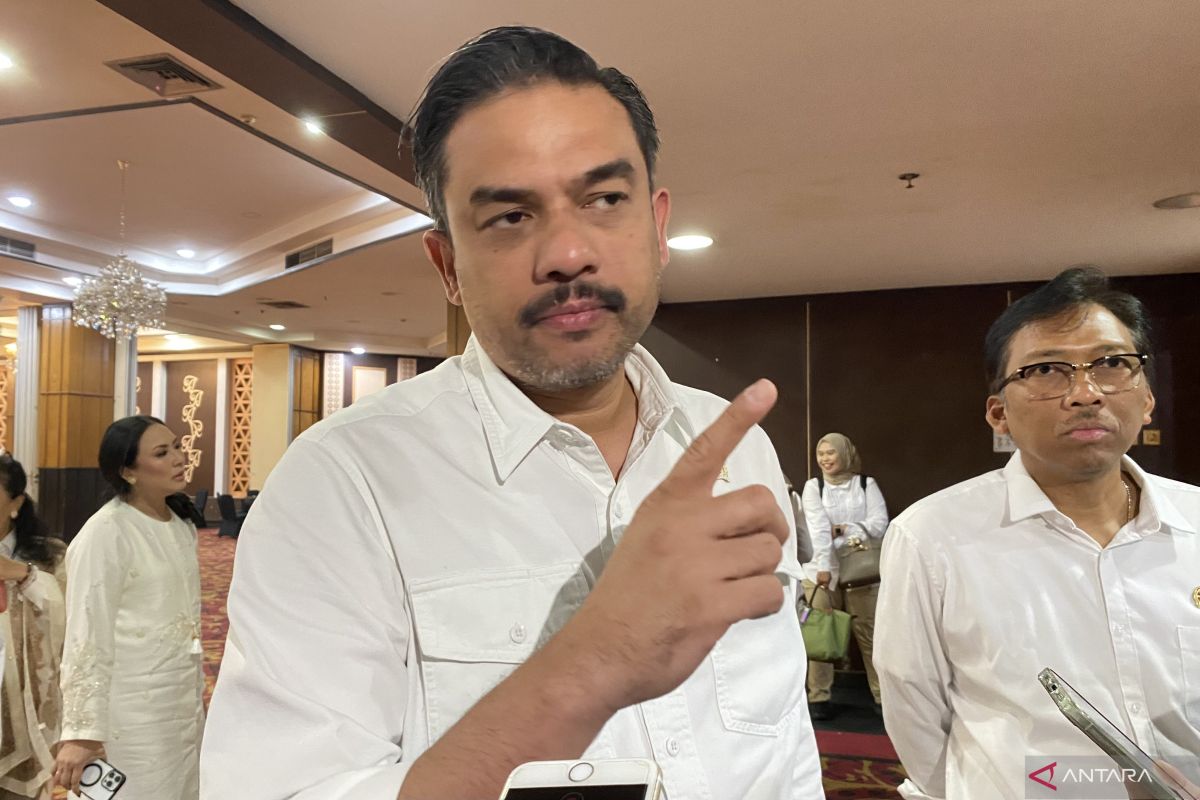
They are not raising selling prices, but the consequence is that profits are thinning because production costs are increasing. Jakarta (ANTARA) - Minister for Micro, Small, and Medium Enterprises (UMKM) Maman Abdurrahman stated that UMKM actors prefer to maintain the selling prices of their products rather than increasing them, even though the surge in plastic prices has pressured production costs. He said that in the past week, his office has received numerous complaints from UMKM actors regarding the rising plastic prices that are increasingly burdening their businesses. “UMKM are trying to keep product prices in the eyes of the public and buyers. They are not raising selling prices, but the consequence is that profits are thinning because production costs are increasing,” Maman said during a media gathering in Jakarta on Thursday. Disruptions in naphtha distribution, a petroleum derivative, along with the surge in global oil prices due to conflicts in the Middle East, have triggered the increase in plastic prices. According to a report from the Ministry of UMKM, the rise in plastic prices has averaged 40-60%. This increase directly impacts the decline in profit margins and turnover for UMKM, with an average drop of up to 50%. Data from the Indonesian Food and Beverage Producers Association in 2026 shows that the naphtha shortage has reduced plastic production capacity, even causing several production lines to halt. In fact, the majority of food and beverage UMKM still rely on plastic packaging. The domestic plastic packaging industry itself dominates the market up to 67.61% in 2025, with the food sector as the largest contributor. Maman stated that Indonesia’s dependence on imported plastic raw materials remains high, at 55%. Of that amount, around 70% of distribution passes through the Strait of Hormuz, which is currently affected by geopolitical conflicts, thus disrupting the global supply chain. Facing this situation, Maman stated that the government is preparing short-term and long-term strategies. For the short term, he mentioned that Indonesia has secured naphtha supplies from relatively stable regions such as Africa, India, and the Americas. Meanwhile, long-term measures are directed towards diversifying raw material sources as well as developing bioplastics based on local potentials like seaweed and cassava. In addition, the Ministry of UMKM is examining supportive policies, including subsidies for bioplastic use, strengthening shared packaging facilities, and implementing plastic reduction principles.