
Minister Maman: Seaweed and Cassava Can Become Plastic Materials
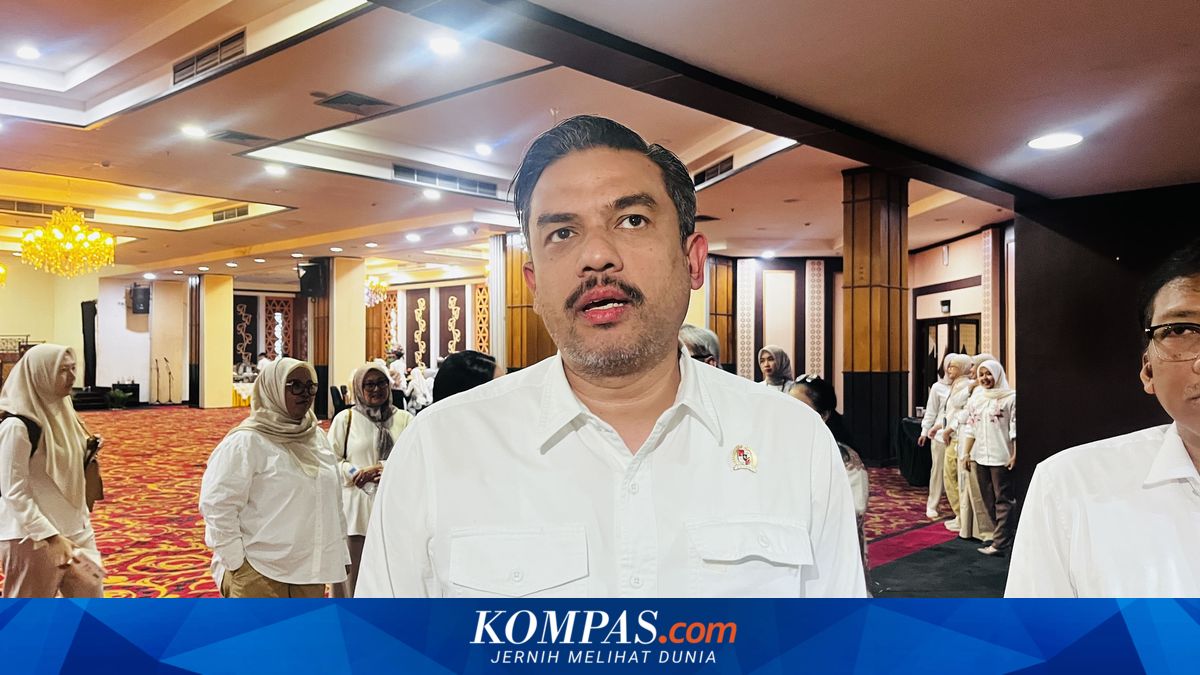
JAKARTA - The Minister for Micro, Small, and Medium Enterprises, Maman Abdurrahman, has identified seaweed and cassava as alternative raw materials for plastic. This option is being prepared in response to shortages and rising plastic prices.
Maman stated that plant-based raw materials offer a long-term solution amid global supply disruptions.
“Seaweed, cassava. That’s just two for now, the ones that can be used for plastic,” said Maman when met at the Smesco Indonesia Complex, Jakarta, on Thursday (9/4/2026).
This situation is prompting the government and industry to seek substitutes for raw materials. Plastic production is being directed away from dependence on imports.
“From naphtha that we import from abroad, we’re replacing it with products that are already abundant in Indonesia,” Maman explained.
The use of recycled plastic materials is already underway. The current focus is shifting to substituting the main raw materials.
“The most important thing is the substitution of the use or utilisation of naphtha raw material,” Maman stated.
The government is still discussing the implementation of plant-based raw materials. The timeline for application has not yet been set.
“I can’t speak that far yet (on when it can be implemented),” said Maman.
For the short term, naphtha supplies are being redirected. New sources are coming from Africa, India, and the United States.
“Now it’s in the process of administration and shipping and all that,” Maman remarked.
The impact of rising plastic prices is already being felt in the market. Shortages began to emerge after Idul Fitri.
Secretary General of the Indonesian Market Traders Association, Reynaldi Sarijowan, noted that plastic prices have risen sharply in recent weeks.
“Far before entering Ramadan, it was still 10,000. Then gradually over a week, a week, a week, it rose by Rp 500, rose by Rp 700, rose in various ways until today the peak is projected at 50 percent,” said Reynaldi when contacted by Kompas.com on Monday (6/4/2026).