
Minister Explains Why MSME Participation in Free Nutritious Meals Programme Remains Limited
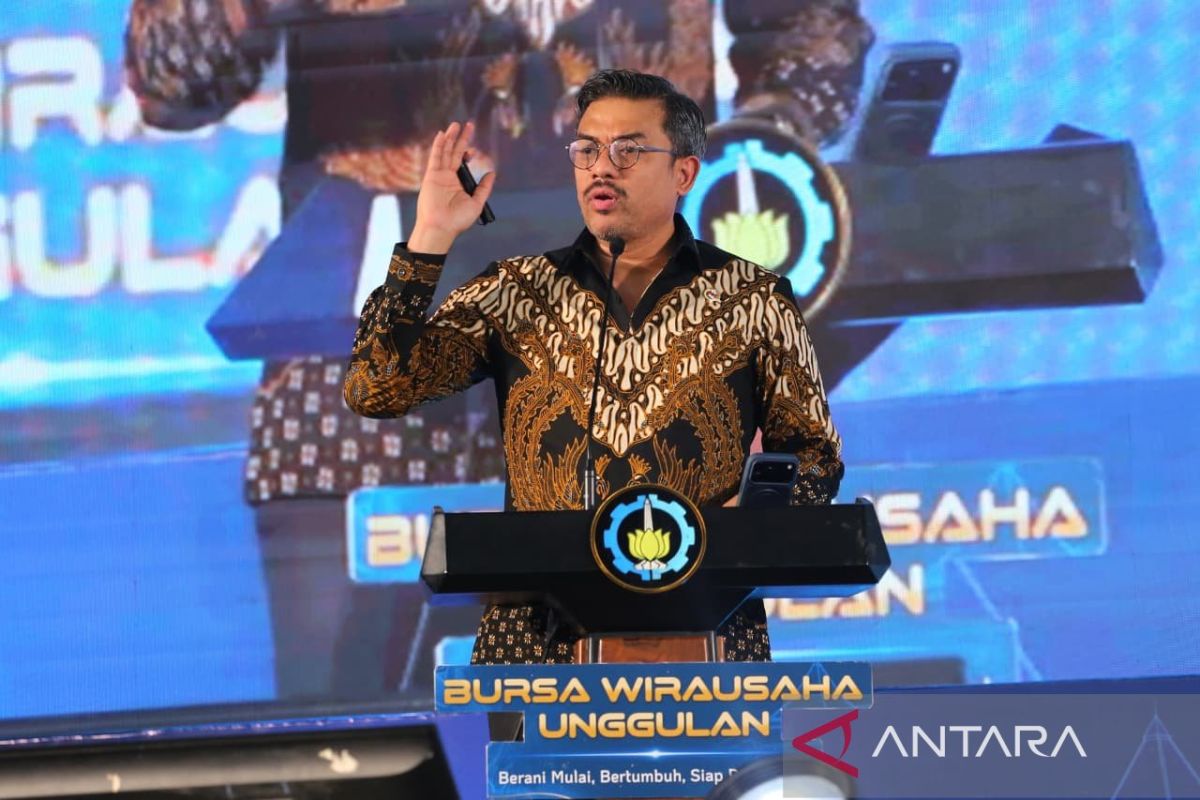
Jakarta (ANTARA) — Minister of Micro, Small and Medium Enterprises Maman Abdurrahman has outlined several reasons why MSME involvement in the supply chain of the Free Nutritious Meals (MBG) Programme remains limited.
Speaking at a press conference in Jakarta on Thursday, Maman said one reason participation had yet to expand significantly was that the National Nutrition Agency (BGN), under the leadership of Sudaryono, was prioritising improvements to its internal systems and procedures after indications of legal violations were found at the institution.
“The BGN’s priority is first to put its internal systems and procedures in order. After that, we will focus on encouraging the involvement of the MSME ecosystem in the supply chain,” Maman said.
Maman was responding to an August 2026 survey by the Institute for Development of Economics and Finance (Indef), which polled 1,806 MSME respondents and found that only 5 per cent of formal MSMEs had partnered with or explored cooperation under the MBG Programme.
In response, Maman stressed that MSMEs’ roles in the MBG supply chain could not be treated as a single category, but had to reflect the production capacity and financial strength of each business segment.
He explained that MBG communal kitchens were generally managed by medium-sized businesses, as they required substantial capital and production capacity.
Small businesses, meanwhile, played upstream roles as owners of chicken and egg farms and as fish suppliers. Microbusinesses were involved as suppliers of daily food items, including vegetables and basic goods sold at retail.
According to BGN data for July 2026, Maman said, 63,189 MSME businesses had joined and become connected to the MBG supply-chain ecosystem.
He said the government was committed to increasing the participation of local MSMEs as the agency completes its internal systems overhaul and launches an integrated registration mechanism.