
Minister: Construction of 100 Bulog Warehouses Will Extend Rice Shelf Life to 2 Years
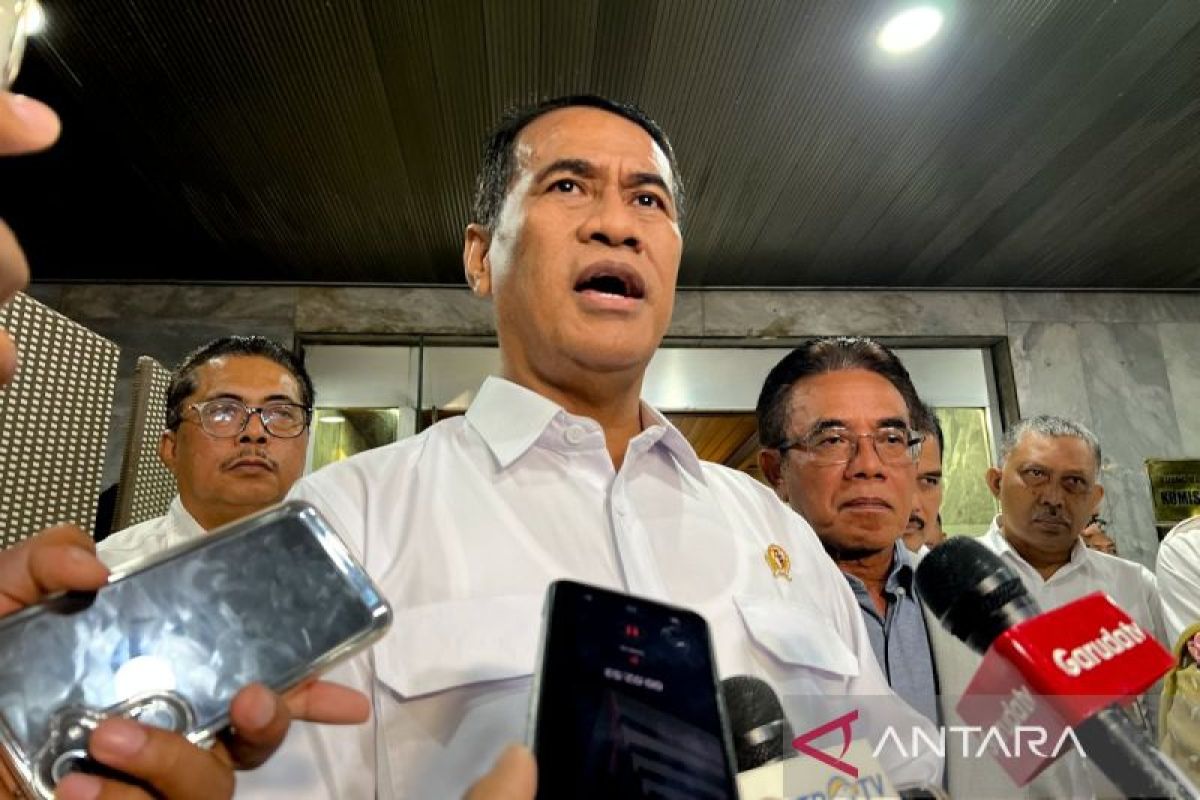
Jakarta (ANTARA) - Minister of Agriculture and Head of the National Food Agency, Andi Amran Sulaiman, has stated that the government is constructing 100 new Bulog warehouses with a minimum shelf life of two years to strengthen the storage system for government food reserves, including rice. During a working meeting with Commission IV of the House of Representatives (DPR RI) in Jakarta on Wednesday, Amran reported that the construction of these 100 warehouses has received government approval, with a budget allocation of approximately Rp5 trillion as part of strengthening the national food logistics infrastructure. “Indeed, there is a plan to build new warehouses for Perum Bulog. There are 100 points of warehouse construction, worth Rp5 trillion, and it has been approved,” Amran said. He explained that the modern warehouses under construction are designed to maintain rice quality with a minimum shelf life of two years through a superior storage system. In fact, Amran continued, the technology and facilities being applied will allow rice to be stored for up to three years without a significant reduction in quality compared to current conventional storage methods. He emphasised that the presence of these modern warehouses will enhance national food stock security while supporting supply stability and rice prices across various regions of Indonesia. Government rice reserve stocks are projected to reach 3.5 million tonnes by early June 2026. “So the storage will be much better than it is now. These are quite modern,” he said. Amran presented this amid concerns raised by Commission IV Chair Siti Hediati Hariyadi, widely known as Titiek Soeharto, who mentioned receiving reports about a decline in the quality of some government rice reserves stored in Bulog warehouses. In light of this, Titiek requested that government rice reserves stored for more than a year be diverted for animal feed in order to maintain the quality of food stocks used as an instrument for stabilising supply and prices. Previously, Perum Bulog President Director Agmad Rizal Ramdhani stated that the construction of 100 new warehouses would strengthen national food security through increased post-harvest storage capacity. Rizal assured that his party is ready to carry out the government’s mandate with a measured, professional, and accountable approach. Bulog also ensured that all stages are being thoroughly prepared so that the infrastructure development is truly in the right location, for the right function, and provides the right benefits for the community. The development programme is planned to be spread across 92 regencies with a total budget of around Rp5 trillion, consisting of approximately Rp4.4 trillion for main infrastructure development and around Rp560 billion for mechanisation, automation, and information technology systems. The post-harvest infrastructure development includes 94 storage warehouse units; six grain silo units; eight corn silo units; 17 rice dryer units; 17 Rice Milling Units; eight corn dryer units; and nine processing centres and rice packaging facilities. Each construction site will undergo a technical feasibility test such as a soil test, land slope analysis, and a road access study to support logistical transport mobilisation. Physical construction will be carried out by state-owned construction firms in accordance with Presidential Regulation Number 14 of 2026 concerning the development of 100 post-harvest infrastructure points across Indonesia. This infrastructure will be prioritised in food production centres such as Lampung, Java, and South Sulawesi, equipped with complete facilities including dryers, RMUs, silos, and modern mechanisation and automation systems. Meanwhile, in archipelagic regions such as Natuna, Rote, and Tidore, development will focus on storage warehouses to maintain food supply stability, particularly during extreme weather conditions.