
Minister: Commercial Use of Journalistic Works Will Require Royalty Payments
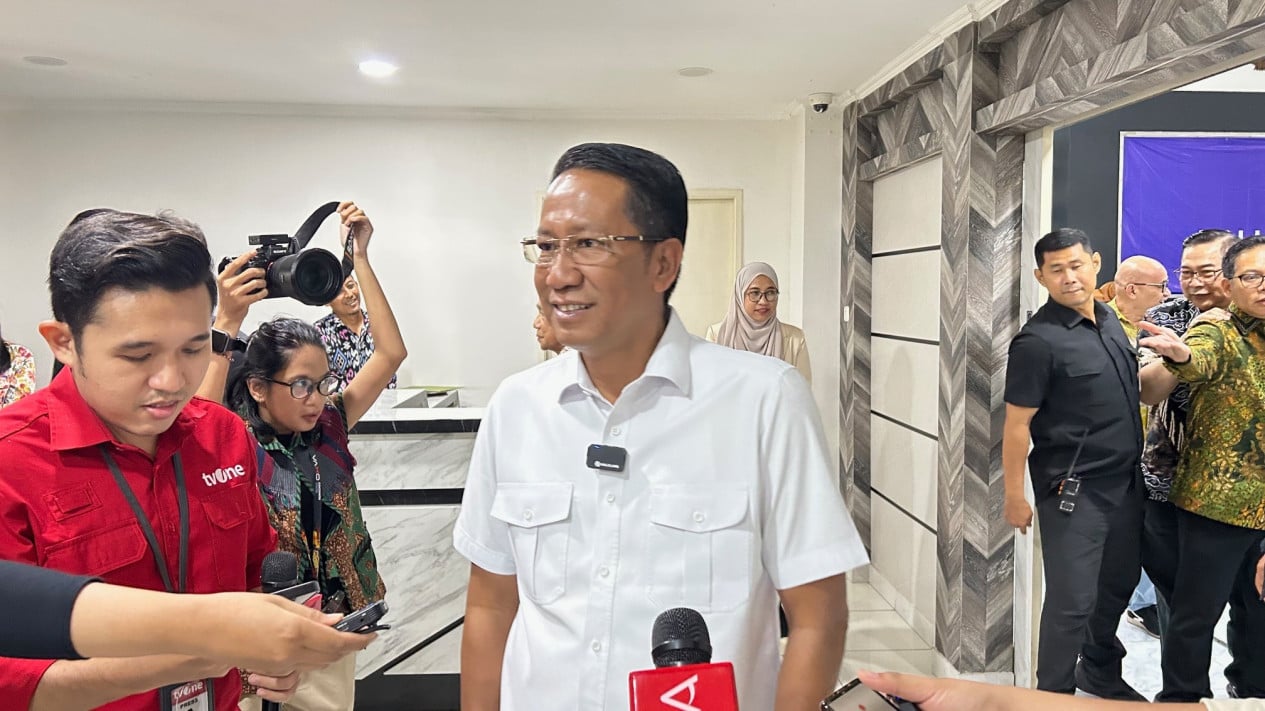
Minister of Law Supratman Andi Agtas has stated that journalistic works distributed for commercial purposes will be required to pay royalties. This follows the Ministry of Law’s plan to propose journalistic works as part of copyright objects in the revision of the Copyright Law. “Anyone who uses such journalistic works for commercial purposes must obtain permission from the rights holder,” Supratman said during an event in Jakarta on Friday. He added that under the new Copyright Law, journalistic works would receive greater protection. He also requested support and prayers from all parties so that the effort to include journalistic works as copyright objects would succeed. With the new Copyright Law, the Minister believes various issues related to journalistic works can be minimised. One such issue was experienced by a television editor-in-chief, Abdul Gafur, whose content was taken without permission for commercial purposes. Gafur said the matter has been processed through legal channels with the police. Regarding this, the Minister hopes the Copyright Bill can accommodate such cases once it is enacted. For now, his office can only assist Gafur by providing experts from the Ministry of Law if needed to give testimony during investigations or trials. The Copyright Bill was approved by the House of Representatives as an initiative proposal on 12 March 2026. The bill is now entering the discussion and harmonisation stage with the government, with a regulatory completion target set for this year. The Press Council is currently finalising proposals regarding the regulation of journalistic works in the bill amending Law Number 28 of 2014 on Copyright to strengthen the press industry. The Press Council gathered input through a public hearing forum with various press constituents at the Press Council Office in Jakarta on Thursday (11/6). Press Council Chairman Komaruddin Hidayat said the forum was an effort to ensure changes to copyright regulations could address new challenges facing the press industry in the era of digital platforms and artificial intelligence.