
Minister Claims Waste-to-Energy Plants Will Be as Clean as Shopping Malls
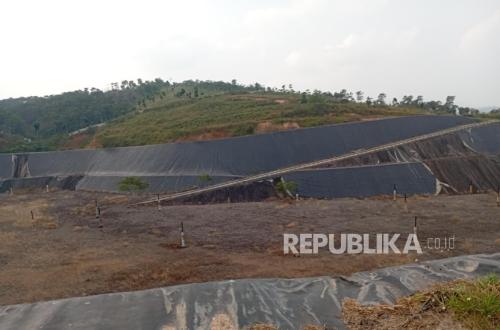
Environment Minister Mohammad Jumhur Hidayat has emphasised that the construction of Waste-to-Energy (PSEL) plants is part of a national transformation towards a more modern waste management system. He stated that PSEL facilities are designed to be clean, well-organised, and odour-free, unlike conventional final processing sites (TPA).
Jumhur said the public should not imagine PSEL as a squalid waste dump. According to him, these facilities will be built to modern standards, thereby changing the image of waste management in Indonesia.
“The thing to remember is that once the PSEL is completed, there will be no smell at all and it will not resemble the final processing sites the public has seen so far. Instead, it will look like a clean and beautiful shopping mall,” Jumhur said during a coordination meeting to accelerate the national strategic project in Makassar on Wednesday.
In addition to promoting the construction of PSEL, the Ministry of Environment is also developing alternative processing technologies such as refuse-derived fuel (RDF) so that waste can be utilised as a coal substitute for industry.
During his working visit to South Sulawesi, Jumhur also reminded local governments to increase their vigilance against potential fires at landfill sites during the dry season, which is expected to last until November. He noted that the high methane gas content in landfills poses a significant fire risk if not properly anticipated.
“I ask all regional governments, both regencies and cities, to be alert to landfill fires. Deploy fire engines to spray water on the landfill areas. Ensure there is no open burning of waste and no one smokes carelessly there,” Jumhur instructed.
He also visited the Tamangapa Antang landfill and its leachate treatment installation. He commended the implementation of the controlled landfill method and the utilisation of methane gas, which is processed and distributed to the surrounding community. “The Mayor’s work is excellent. It is roughly 90 percent in line with the Ministry of Environment’s expectations. I think this is quite good and can serve as an example for other cities in Indonesia,” Jumhur said.