
Minister Calls for Safe, Bullying-Free Learning Environments for Indonesian Children
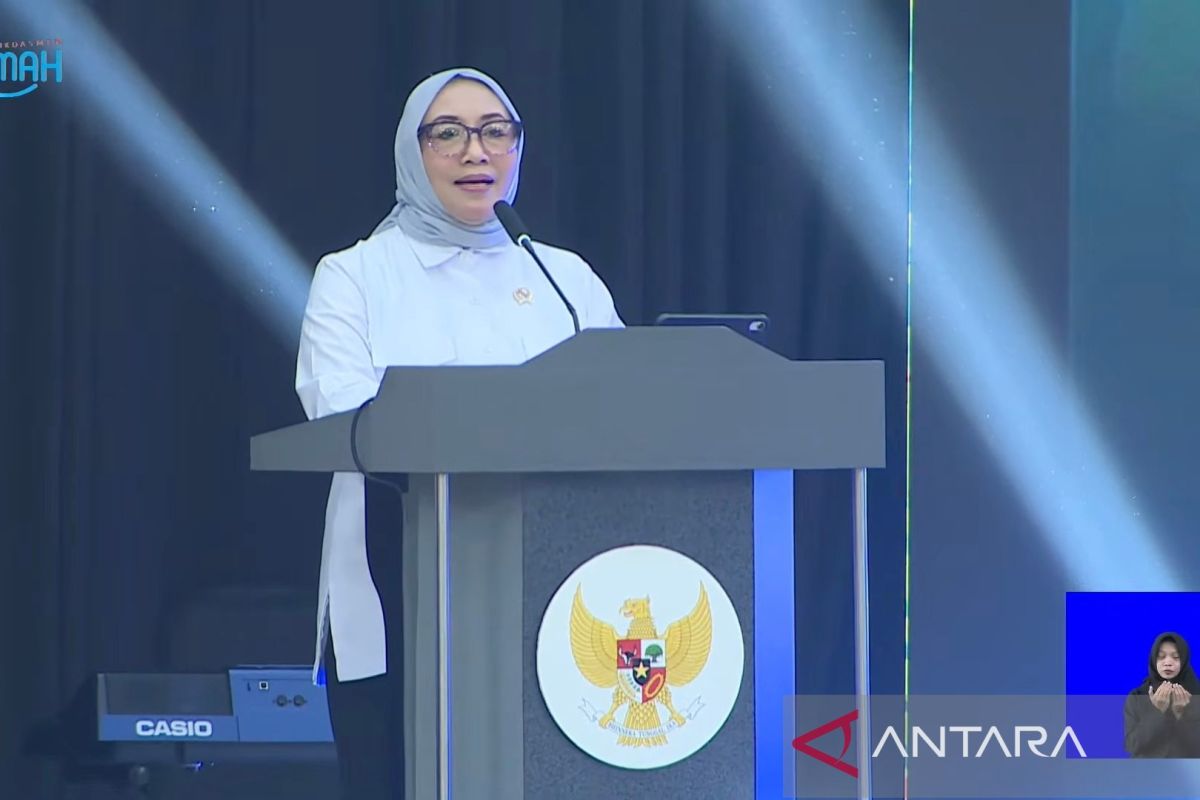
Minister of Women’s Empowerment and Child Protection (PPPA), Arifah Fauzi, has called on all relevant stakeholders to create educational spaces that are safe, comfortable, and free from all forms of violence and bullying for Indonesian children. Speaking at the online National Movement for Safe and Comfortable Spaces for Children (RANA) event on Monday, which aims to realise a friendly school orientation period for 2026, she urged mutual respect and an end to bullying. "I hope from now on, we look after each other, respect one another, and that there is no more bullying anywhere our children are. Let us protect them together," she said. Minister Arifah noted that data from the Online Information System for the Protection of Women and Children (Simfoni PPA) throughout 2025 showed that of 21,352 recorded cases of violence, 46.1 per cent occurred in spaces that should be safe zones for child development, namely households and educational units. In response to these challenges, the minister affirmed that the state has taken concrete steps by issuing a series of progressive regulations to protect the next generation from bullying, physical violence, and digital crimes. These legal instruments include Government Regulation (PP) Tunas Number 17 of 2025, Presidential Regulation (Perpres) Number 101 of 2022 on the National Strategy for the Elimination of Violence Against Children, and Presidential Regulation Number 87 of 2025 focusing on a roadmap for child protection in the online sphere. This strategic approach is further strengthened by solid cross-ministerial synergy, evidenced by the issuance of Minister of Education and Culture Regulation Number 6 of 2026 on creating a safe and comfortable school culture, and Minister of Religious Affairs Decree Number 91 of 2025 ensuring that madrasah and pesantren ecosystems also become child-friendly spaces. "This is a form of our collaboration in striving to create safe and comfortable spaces for all of us, especially for children," she stated. The minister reminded that the success of creating safe spaces requires a complete ecosystem, with close collaboration between educational units, the family environment, and active community participation playing a major role in fostering a child-friendly learning climate. "Let us together realise a safe and comfortable Indonesia for children. Because happy children today are Indonesia’s bright future tomorrow," Arifah Fauzi concluded.