
Minister: Bureaucratic Transformation Requires Character, Not Just Technology
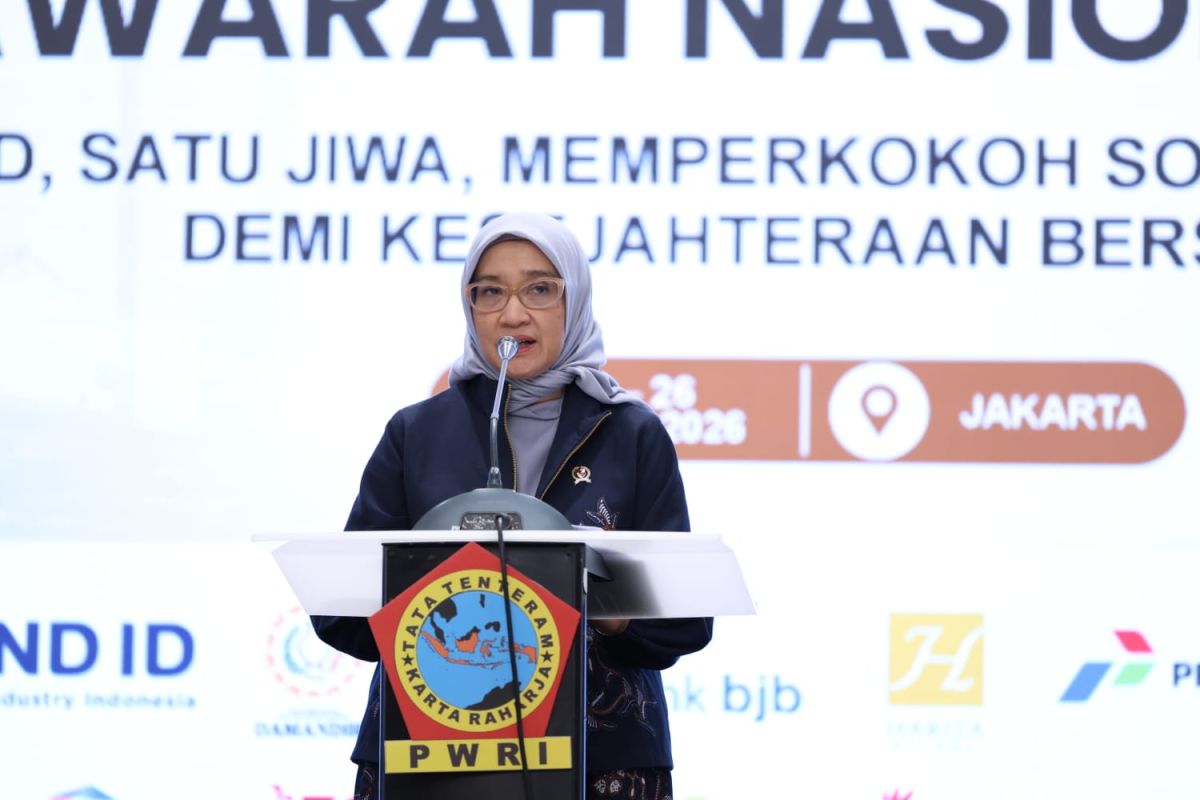
Minister of State Apparatus Empowerment and Bureaucratic Reform Rini Widyantini has emphasised that bureaucratic transformation cannot rely solely on technology and regulation, but also requires the character, experience, and exemplary conduct of state apparatus who have dedicated their service. Speaking at the 15th National Conference and 64th anniversary of the Republic of Indonesia Wredatama Association in Jakarta, Rini stated that the government is accelerating bureaucratic reform through thematic and digital approaches, merit-based civil service management, and improved public services. However, she noted that the progress of today’s bureaucracy is built upon the long dedication of state apparatus who laid the foundations of Indonesian governance. Even in retirement, she described their wisdom and exemplary conduct as a high-value national asset that remains relevant for guiding bureaucratic transformation and inspiring the next generation of civil servants.
Rini referred to Law No. 20/2023 on the State Civil Apparatus, calling the retired civil servants a real example of fulfilling the ASN function as public policy implementers, public servants, and unifiers of the nation. She entrusted the association with three key messages: to safeguard the core values of civil service, to strengthen its role as a strategic partner to the government by enriching public policy formulation, and to continue strengthening national unity and optimism towards the Golden Indonesia 2045 vision. Acting General Chair of PWRI Setyanto P. Santosa affirmed the organisation’s commitment to contributing to the nation and serving as a home for all retired state apparatus, free from institutional barriers and based on a spirit of fraternity.
Rini further asserted the state’s obligation to ensure a dignified retirement for civil servants, as mandated by Law No. 20/2023, which guarantees pension and old-age benefits as a form of income protection, rights, and recognition for their service. She concluded by stating that the dedication of a state servant never ends, but merely continues in a new form.