
Minister: Boosting Productivity and Worker Protection Key to National Competitiveness
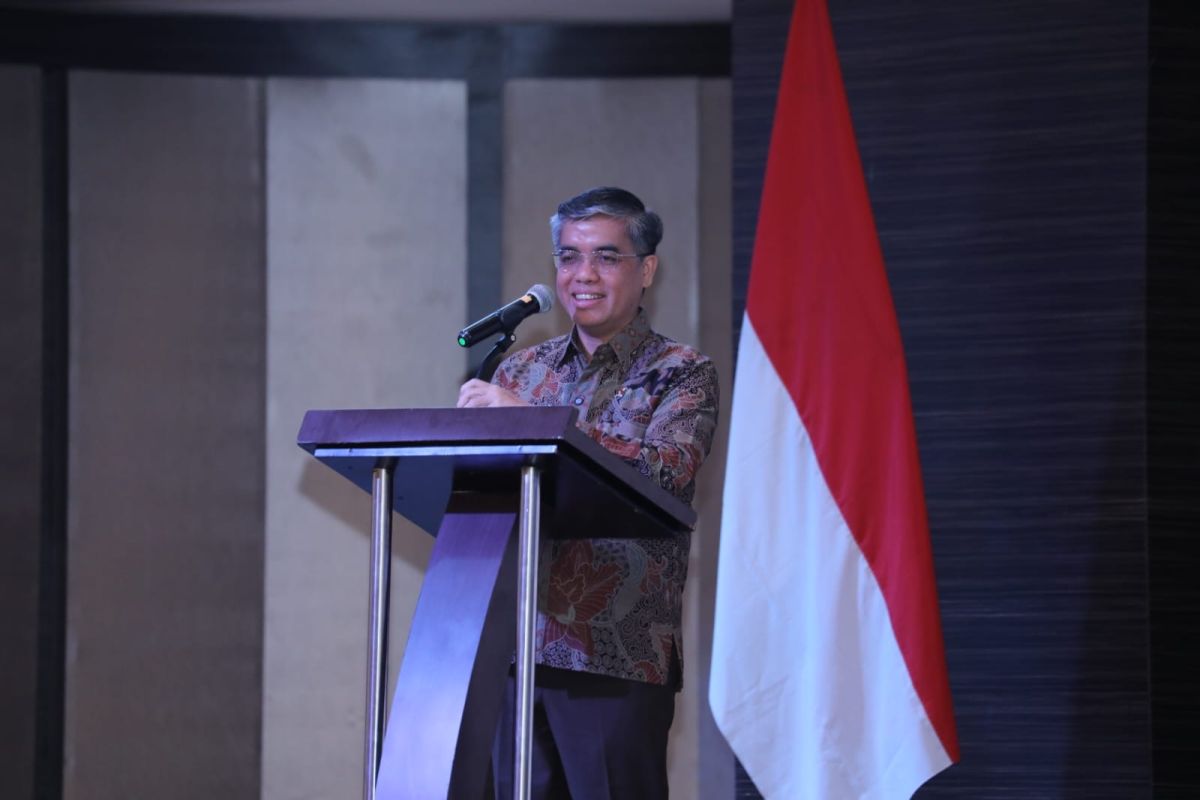
Manpower Minister Yassierli has stated that the government’s efforts to continuously improve productivity, strengthen worker protection, and enhance workforce competency are strategic steps to boost national human resource competitiveness. In a statement released in Jakarta on Wednesday, the minister said these steps are also a response to changes in the world of work influenced by technological developments, industrial transformation, and global economic dynamics. “Challenges are constantly changing. Therefore, the policies we build must also be able to adapt to these changes,” he said. According to Yassierli, these various efforts are part of the constitutional mandate that guarantees every citizen’s right to obtain decent work and a livelihood. Consequently, he continued, labour policies are continuously directed to ensure these rights can be realised amidst the increasingly dynamic world of work. He explained that global economic shifts, technological progress, and industrial transformation have altered the employment landscape. These conditions mean that employment challenges are no longer limited to creating jobs, but also include ensuring the workforce has competencies that match industry needs and receives adequate protection. Furthermore, Minister Yassierli said that improving competency is one of the government’s focuses so that Indonesian workers can compete in an increasingly dynamic job market. In line with this, the government is also continuously strengthening a comprehensive worker protection system, from before a person enters the workforce, during their employment, to when they face the risk of job loss. In addition to strengthening worker protection, the Ministry of Manpower is also continuously refining various employment instruments and improving the quality of services for workers and job seekers as part of efforts to build an adaptive employment ecosystem. Yassierli assessed that the effort to build a strong employment ecosystem cannot be undertaken by the government alone. Synergy between central and regional governments, the business community, trade unions, universities, and various stakeholders is a crucial factor in facing changes in the world of work. “We must move together. Employment challenges cannot be solved by one party alone,” said the Bandung Institute of Technology professor. He believes that harmonious and productive industrial relations are the foundation for encouraging innovation, increasing productivity, and realising sustainable worker welfare. “If workers, employers, and the government share the same goals, we will be better prepared to face any challenge. It is from this that productivity grows and worker welfare can continue to improve,” he said.