
Minister Bahlil Reviews Village Electricity Programme, Shares Childhood Without Power
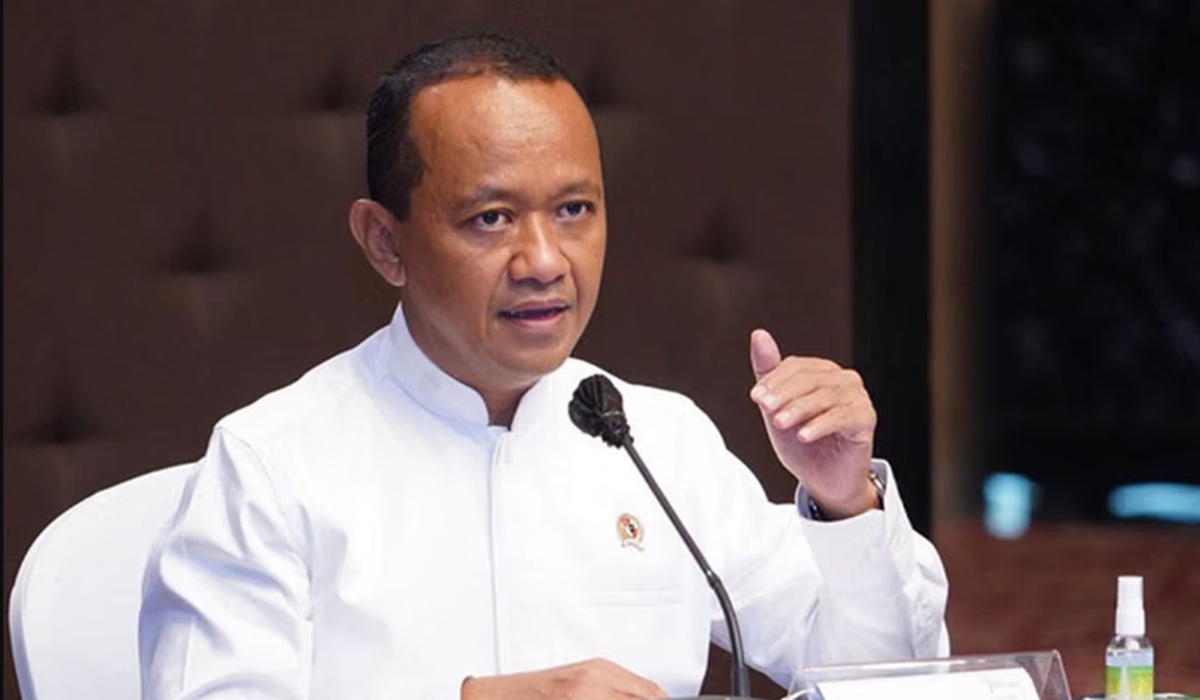
Minister of Energy and Mineral Resources Bahlil Lahadalia reviewed the Village Electricity (Lisdes) programme and the free new electricity connection assistance (BPBL) in Krembeng Hamlet, Hardimulyo Village, Kaligesing District, Purworejo Regency, Central Java, on Friday (19/6/2026). He admitted he was born and raised in a village without access to electricity. “I am a former village child who was born without electricity, so I know their sadness,” he said. Bahlil explained that the Lisdes programme consists of two main schemes: the construction of electricity network infrastructure and free electricity connections through the BPBL programme. “The idea for this equalisation programme emerged when I was discussing with the President. I conveyed that there are still thousands of villages and hamlets without electricity. The state must be present to serve all the people,” Bahlil stated on Saturday (20/6/2026). Bahlil said that based on government data, there are approximately 5,700 villages and 4,400 hamlets that still do not have access to electricity. This fact, he said, shows that development equalisation has not been fully felt by all communities. According to Ministry of Energy and Mineral Resources data, in 2025 the government realised electricity development in 1,403 locations consisting of villages and hamlets across Indonesia. Meanwhile, the BPBL programme has provided electricity connections for 220,845 households, including 19,161 households in Central Java. The programme was supported by a budget of Rp3.6 trillion. For 2026, the government has increased the budget allocation to around Rp10.3 trillion to accelerate electricity provision in areas still lacking access. Bahlil explained that building electricity networks in remote areas is often not commercially viable if calculated solely based on company profits. In some cases, the investment required to serve dozens of families can reach hundreds of millions of rupiah. “Just to serve around 44 families, the investment can approach Rp700 million. From a business perspective, it is certainly not economical. But the government must not only calculate profit and loss. The state’s duty is to serve the people,” he asserted.