
Minister Bahlil Prepares Financing Scheme for Bioethanol
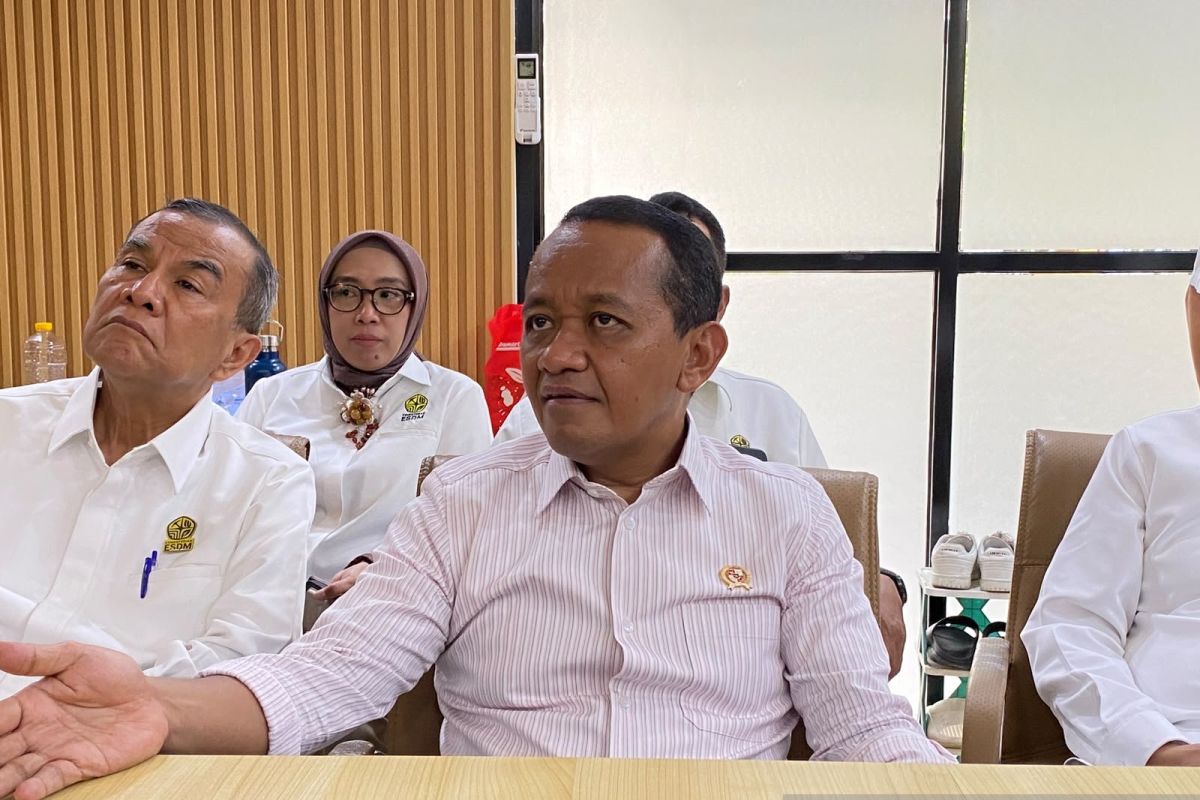
Minister of Energy and Mineral Resources Bahlil Lahadalia is preparing a financing scheme for the mandatory bioethanol programme to address the price disparity between petrol containing bioethanol and fuel without ethanol. “We will create a good formulation for the interests of industry, farmers and the state,” Bahlil said when met at the Ministry of Energy and Mineral Resources office in Jakarta on Monday. Bahlil explained that there are three raw materials for bioethanol: maize, cassava and sugarcane. The prices of these three raw materials, he continued, will be set at a certain level so that farmers earn a decent income. When the world oil price is cheaper than bioethanol, Bahlil said, the government must cover the difference. The financing scheme currently being developed aims to find the best formulation to cover this disparity. “The treatment might be similar to the BPDPKS (Oil Palm Plantation Fund Management Agency), but we are still working out the formulation,” Bahlil said. The government is targeting the implementation of a 10 percent ethanol blend in fuel (E10) starting in 2027 as an initial stage before transitioning to E20. Bahlil said the government has been studying the mandatory ethanol policy since 2025. The study is now nearly complete and will serve as the basis for drafting a roadmap for the implementation of E20, which is targeted to take place gradually until 2028-2029. According to Bahlil, the ethanol blending policy aims to reduce Indonesia’s dependence on imported fuel, particularly petrol. Energy expert from the University of Indonesia Ali Ahmudi Achyak assessed that the price of bioethanol produced from sorghum raw materials will be more competitive compared to bioethanol made from sugarcane or maize. He explained that this is because the use of sorghum for bioethanol does not compete with its use in the food sector. Nevertheless, Ali said the price of bioethanol made from sorghum will still be more expensive than fossil-based fuel. To reduce the price gap between bioethanol and fossil-based petrol, Ali proposed providing incentives, such as subsidies for seeds, subsidies for fertilisers, and research into the use of sorghum as a bioethanol raw material.