
Minister: Amnesty Recipients to Receive Job Training in Food Sector
The government is preparing a work training scheme for prisoners who will receive amnesty, particularly those of productive age. This policy aims to ensure that inmates can contribute directly to the food security sector after receiving a pardon.
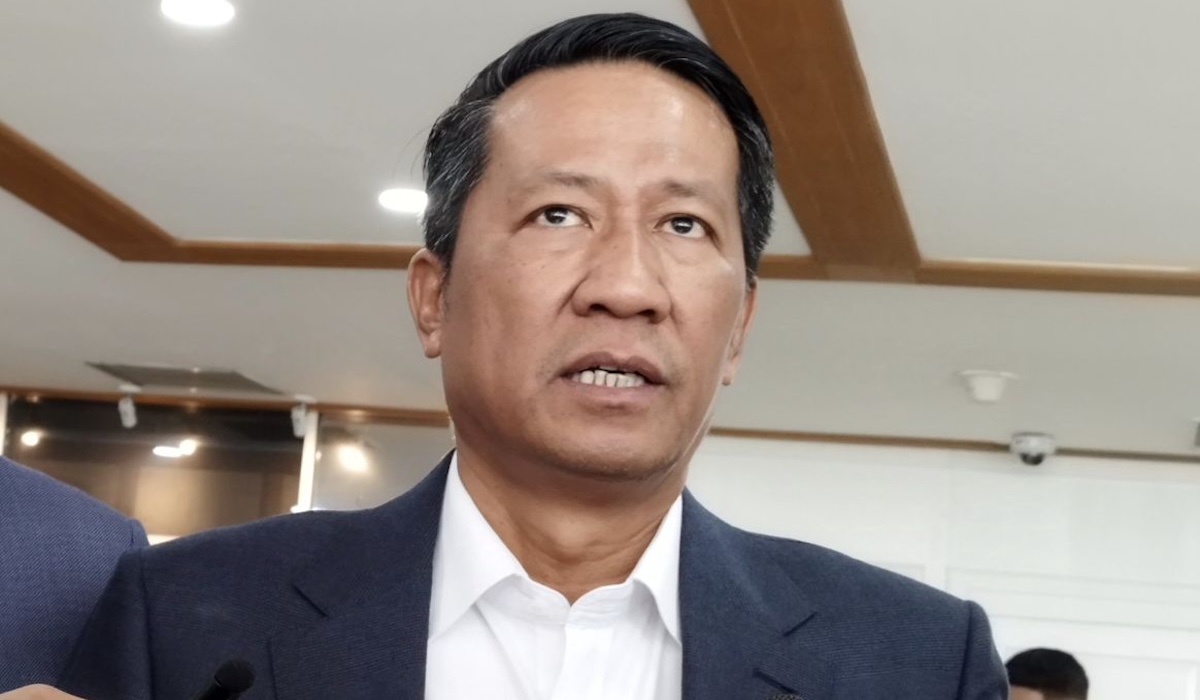
Minister of Law Supratman Andi Agtas stated that amnesty recipients would not simply be released. The President wants them to be equipped with skills so that available human resources can be utilised productively to increase national food production.
“The President wants prisoners or inmates, if granted amnesty, especially those still of productive age, to be given training. They will later be placed in business units that support the food security sector,” Supratman said in Jakarta on Thursday (2/7).
Supratman stressed that this training is a crucial stage before they return to society. With technical skills, former prisoners are expected to no longer be a social burden but rather a workforce that helps boost productivity in the food sector.
On the occasion, Supratman also clarified the issue regarding the obligation for amnesty recipients to join the Reserve Component programme. He explained that while the Reserve Component discourse had been discussed, the government’s main focus currently remains on productive work training.
“The Reserve Component was considered in the sense that if possible, they could join, although there are formal requirements in the law,” he asserted. “But the point is, we want to utilise the available human resources to help increase productivity, especially in food.”
Previously, Minister of Immigration and Corrections Agus Andrianto revealed that President Prabowo Subianto plans to grant mass amnesty during the commemoration of the 81st Anniversary of Indonesian Independence on 17 August. This programme is prioritised for inmates under the age of 35.
In addition to supporting food security, the amnesty policy is expected to be a strategic solution to address overcapacity in correctional facilities and detention centres across Indonesia, while accelerating the social reintegration process for inmates.