
Minister: Amnesty recipients to be trained for food security roles
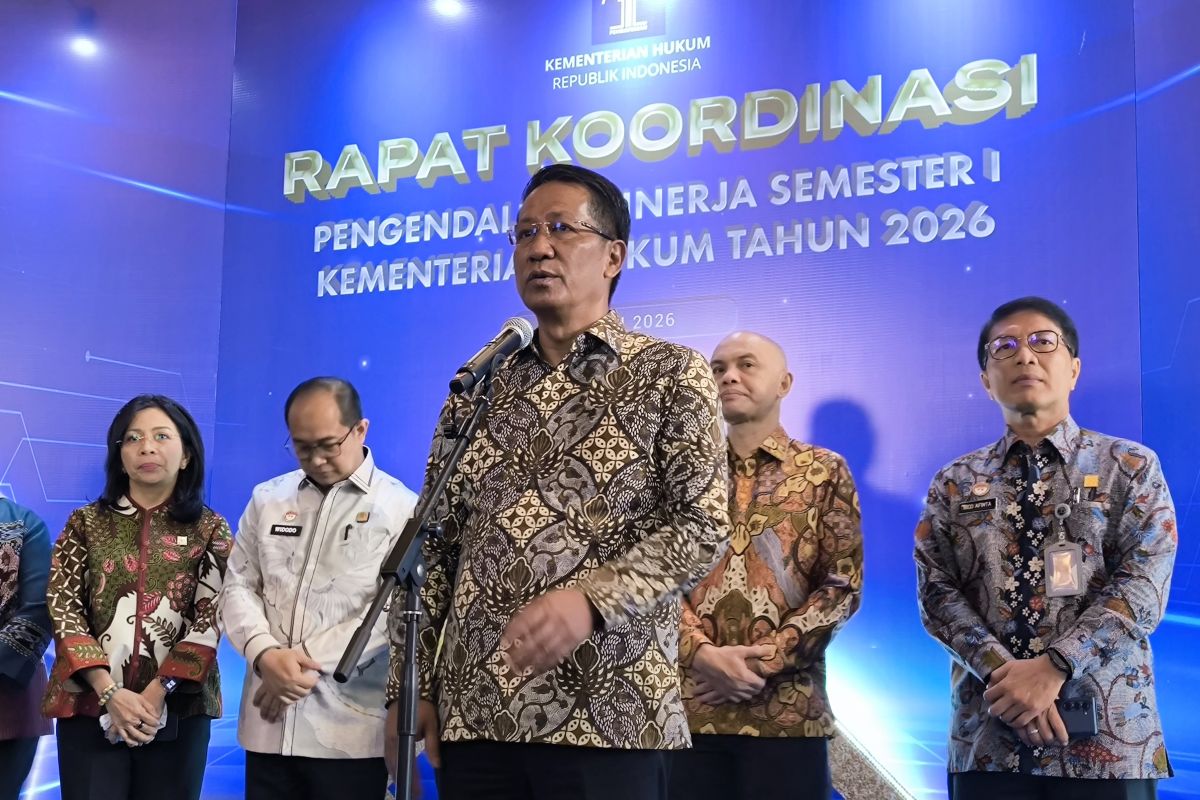
Jakarta (ANTARA) - Minister of Law Supratman Andi Agtas has stated that the government is preparing training for productive-age prisoners who receive amnesty, enabling them to work in support of the food security sector after being pardoned by the President. According to Supratman, the policy aims to make productive use of human resources while simultaneously boosting national food production. “The President wants prisoners or inmates, if granted amnesty, especially those still of productive age, to be given training so they can later be placed in business units within the food security sector,” Supratman said in Jakarta on Thursday. He emphasised that amnesty recipients would not be released immediately without guidance, but would first be equipped with skills to prepare them for work. “So, they are not just freed after being granted amnesty. They must be trained to help in the food security sectors. So, I think that is a good thing,” he said. Supratman also clarified an issue suggesting that amnesty recipients would be required to join the Reserve Component (Komcad) programme. According to the Minister, discussions about Komcad did arise, but it is not the main substance of the policy being prepared by the government. “The Komcad was in the sense that, if possible, they could join. Although I know there are issues concerning the nomenclature in the law, regarding the formal requirements,” he said. He stressed that the government’s focus is on preparing amnesty recipients to have work skills that can be utilised to support productive sectors. “The point is, we want to utilise the available human resources so they can help in the process of increasing productivity, especially in food,” Supratman said. He mentioned that one scheme briefly considered was further development through the Reserve Component programme for amnesty recipients who are still of productive age. He said that inmates who receive amnesty will not immediately return to society, but are designed to undergo guidance to build discipline. He said the plan targets inmates under the age of 35 as part of efforts to prepare them to contribute after serving their criminal sentences. In addition, Agus urged all inmates to participate well in guidance and mentoring programmes while in correctional facilities. The assessment of behaviour and the guidance process, he said, is one of the considerations in granting amnesty. He added that granting amnesty is also expected to be a step by the government to reduce overcrowding in correctional facilities and detention centres, while supporting the social reintegration process of inmates after they return to society.