
Minimising Stress in Sacrificial Animals: Expert Guidelines from Airlangga University
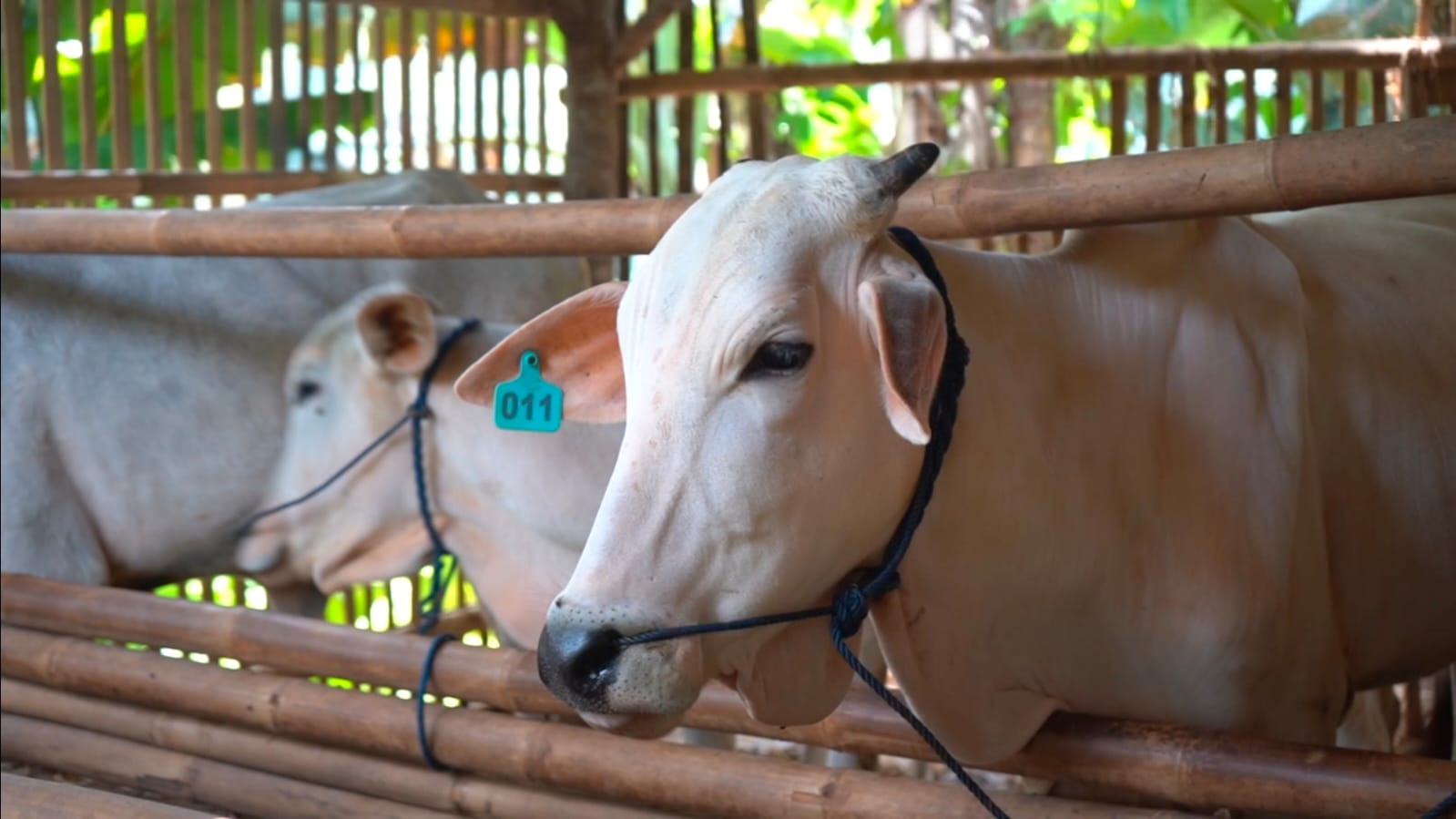
The slaughter of sacrificial animals is one of the most anticipated moments for Muslims during Eid al-Adha celebrations. However, in practice, the process often requires greater attention to meet animal welfare standards.
Nusdianto Triakoso, an expert from Airlangga University (UNAIR) in Surabaya, emphasised the importance of keeping sacrificial animals in prime condition and free from stress before slaughter.
Dr Nus, as he is commonly known, identified three critical phases that must be observed: before, during, and after slaughter. He noted that the pre- and during-slaughter phases significantly determine the meat quality.
“Ideally, animals should be transported a day before slaughter to acclimatise. The temporary holding area must also be carefully managed. Additionally, specific standards and techniques must be used during slaughter to minimise stress,” he said.
Dr Nus shared common physical and behavioural indicators of healthy sacrificial animals: agility, responsiveness to surroundings, normal breathing patterns, and absence of abnormal discharges from body openings.
“For instance, discharge from the eyes, ears, mouth, or rear indicates poor health. Wet, soiled hindquarters suggest diarrhoea, while laboured or rapid breathing are clear signs of illness. These are straightforward indicators even for laypeople,” he explained.
To minimise travel stress, Dr Nus advised organisers to house animals at the slaughter site at least a day in advance, allowing sufficient rest.
Temporary pens should be located away from the slaughter area to prevent animals from hearing or seeing other animals being slaughtered.
“Ensure animals are on site 24 hours prior, and avoid sharpening knives in front of them, as this can induce fear and stress,” he advised.
During slaughter, Dr Nus stressed the importance of gently restraining animals to prevent excessive pain.
He criticised common mistakes, such as forcibly dragging cattle legs causing them to slam onto the ground. He proposed safer, animal-friendly methods instead.
Equally important, the slaughter knife must be extremely sharp to ensure a swift cut.
Ropes should be tied in a way that allows cattle to be gently lowered to the ground without forceful jerking.
“If pulled correctly, the cattle will lie down gently as if falling asleep,” he said.
Ensure the knife is perfectly sharp.
“In one motion, three main channels must be severed: the carotid arteries, trachea, and oesophagus,” he added.
After slaughter, meat must be handled hygienically by separating the main cuts from offal.
Dr Nus explained that offal falls into two categories: red organs—including heart, liver, lungs, and spleen—and green organs—such as the digestive tract (stomach and intestines)—which have high bacterial contamination.
He also warned against dumping sacrificial waste, such as blood and rumen contents, into rivers or open environments to prevent disease spread.
“Proper post-slaughter hygiene ensures meat meets ASUH standards—safe, healthy, whole, and halal,” he said.