
Miniature Japanese Robot Reveals Why SLIM Lander Touched Down Upside Down on the Moon
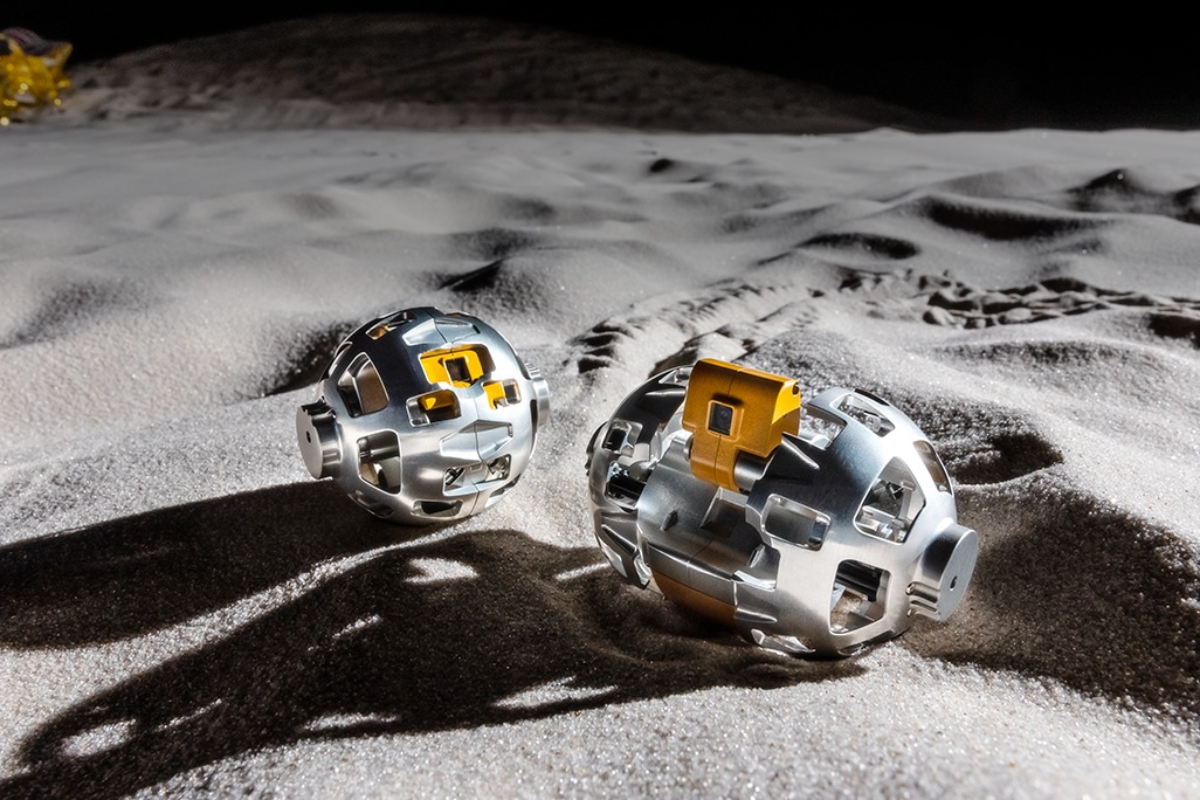
An explorer robot known as the Palm-Sized Lunar Excursion Vehicle 2 (LEV-2) has played a key role in helping scientists understand the obstacles faced by Japan’s SLIM lander during its landing on the lunar surface in January 2024.
Developed by the Japan Aerospace Exploration Agency (JAXA), LEV-2 was deployed from the SLIM spacecraft immediately after landing. Resembling the BB-8 droid from the Star Wars film, this robot has the ability to transform from a mini ball, no larger than a palm, into a small wheeled vehicle.
Its unique design allows the robot to roll across the lunar surface and photograph its surroundings, while providing the flexibility to navigate obstacles and complex terrain without human intervention.
Research published in the journal Science Robotics explains that one of the images produced successfully revealed the cause of the SLram’s issue: the spacecraft’s position was actually upside down.
“The research results highlight the potential of such platforms as independent explorers capable of accessing environments beyond the reach of larger primary spacecraft,” wrote the research team led by Daichi Hirano from JAXA.
During approximately 100 minutes of operation on the lunar surface, LEV-2 transmitted information through its companion robot, LEV-1, before eventually losing contact. During this period, the robot explored the area around SLIM autonomously, documented its environment, and sent selected visuals back to Earth via wireless communication.
The success of this mission demonstrates that small, independent robots can complement larger spacecraft, allowing scientists to collect detailed data with minimal risk.
The success of this project indicates a shift in space exploration. Instead of relying solely on large rovers, future missions could deploy swarms of intelligent small robots to perform specialised tasks.
“In the long term, this approach could enable planetary exploration missions that are more flexible, resilient, and cost-effective,” stated the researchers. By combining autonomy, mobility, and real-time communication, these platforms can reach areas previously considered inaccessible.