
Mini Brain Organoids Capable of Surviving and Developing for Years
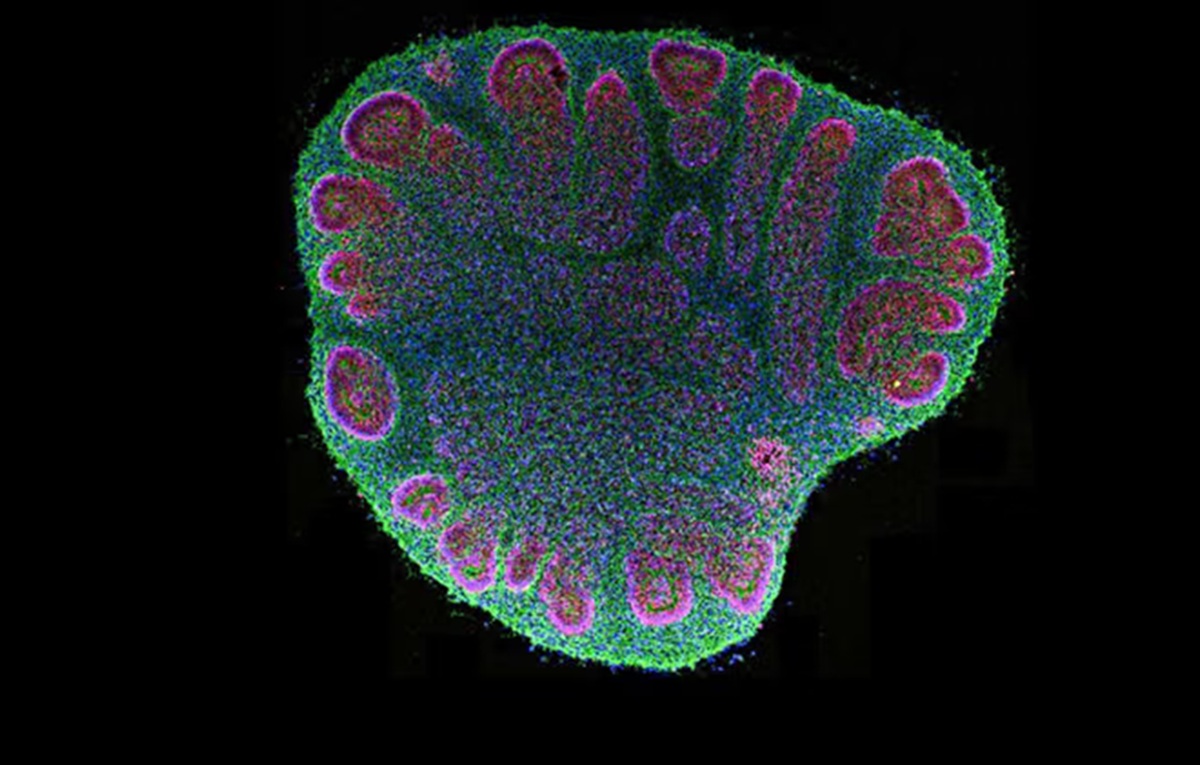
A new milestone has been reached in the field of biotechnology. Researchers have successfully developed mini brain organoids—three-dimensional tissue structures that mimic the human brain organ—and maintained them alive and growing outside the human body (in vitro) for several years.
This success in maintaining long-term brain tissue cultures overcomes the limitations of previous research, where brain organoids generally survived for only weeks or months before experiencing functional decline.
This achievement opens significant opportunities for scientists to study the stages of human brain development and to understand the mechanisms of neurological diseases more deeply without having to perform invasive procedures on living patients.
These brain organoids are grown using human stem cells, which are directed to develop into various types of nerve cells (neurons) and support cells (glia). Over time, these cells autonomously organise themselves into complex structures that resemble the architecture of the human brain during its early stages of development.
During the multi-year maintenance period, researchers observed that the brain organoids did not merely survive but also continued to demonstrate maturation of cellular functions. These mini brains form active synaptic circuits and are capable of generating spontaneous electrical signals.
This condition allows scientific teams to monitor how brain cells communicate and form stable neural networks over the long term. Such long-term observation was previously very difficult to conduct using conventional laboratory models.
The ability to maintain brain organoids for years provides a highly representative experimental platform for research into degenerative brain diseases and neurodevelopmental disorders.
Researchers emphasise that although these mini brain organoids can produce electrical activity, the tissue does not possess consciousness or the ability to think like a complete human brain. The tissue functions purely as a biological model for scientific testing.
This technological leap in the creation and maintenance of mini brain organoids is projected to accelerate the discovery of new therapies in the field of neurology, while simultaneously reducing reliance on animal testing models in the future.